From the coasts to the heartland, the American left has turned failure into a political art form. Rather than retreating from broken policies, progressive leaders are using each setback as a springboard for even more ambitious—and often more controversial—initiatives.
Take immigration. While some on the far left, including Democratic Socialists, have long called for open borders or abolishing ICE, the Biden administration's decision to allow millions of undocumented migrants into the country has now led most Democrats to advocate for "pathways to citizenship." Their argument: there are simply too many people to deport. This stance marks a stark reversal from earlier promises of a more restrained approach.
The border crisis was not inevitable; it was a policy choice. The Trump administration, using the same laws Biden had declined to enforce, quickly reduced crossings. Now, Democrats express outrage at the prospect of mass deportations, even as they facilitated the influx.
Similar dynamics play out in healthcare. Remember when the Affordable Care Act was supposed to lower costs and expand choices? Democrats promised it would reduce premiums by $2,500 per family annually and allow people to keep their doctors. Instead, premiums have nearly tripled, and deductibles have more than doubled. A 2026 report showed median premiums jumping 20%, followed by another 15% rise in 2027. Enrollment has plummeted as families struggle to afford coverage.
Rather than acknowledging this failure, Democratic leaders now push for more regulation and "Medicare for All." It's a pattern: when policies fail, the response is to double down with even more sweeping interventions.
Public education follows the same script. Decades of increased spending and lowered standards have not improved outcomes, yet teachers unions and school districts resist market-based reforms like voucher systems. The result is a system that grows costlier and less effective, while unions gain more power to block change.
New York's Experiment in Radicalism
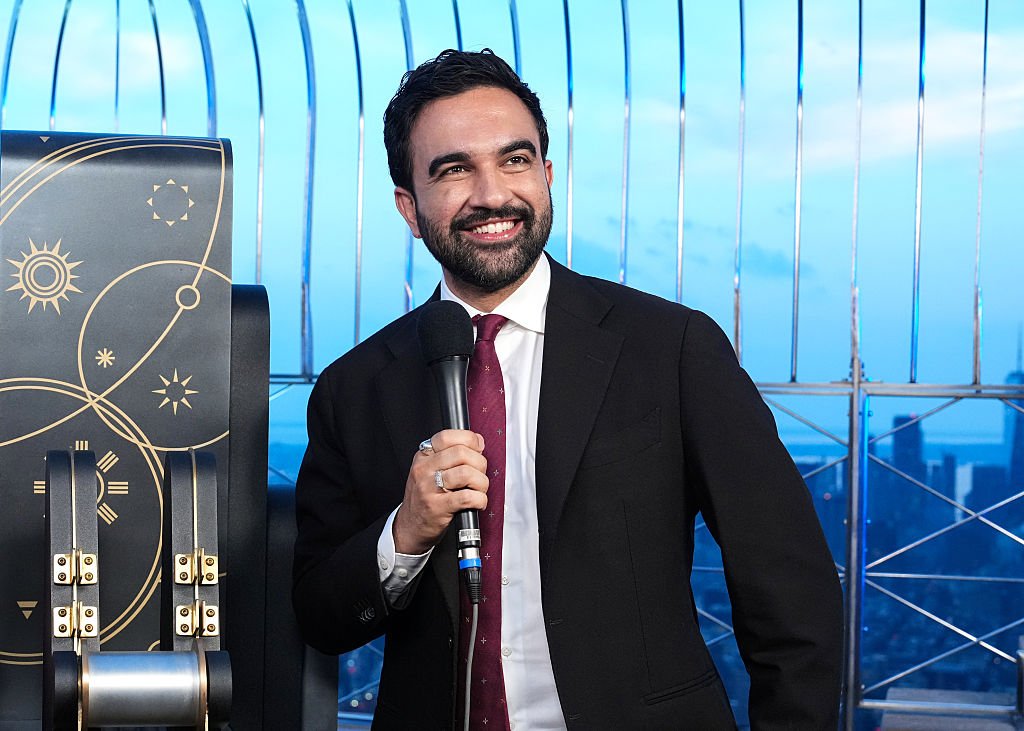
No one embodies this politics of failure better than Zohran Mamdani, the New York City comptroller candidate. His call for free buses has led to widespread fare evasion, costing the MTA tens of millions. As the transit budget collapses, the demand for state subsidies grows—and the push for free public transit gains traction.
On housing, Mamdani's promise of rent controls has backfired. Landlords, anticipating restrictions, have raised rents, pushing average apartment costs to record highs—$4,965 per month citywide, and $6,655 in Manhattan. Mamdani now points to these soaring costs as justification for even stricter regulations, creating a vicious cycle.
His hostility toward law enforcement has also borne fruit. After being booed off stage at a police event, the NYPD continues to lose officers—up to 300 per month—which aligns with the left's goal of shrinking the force. Similarly, his tax hikes on the wealthy have driven affluent residents and businesses out of New York, eroding the tax base.
The Abolish Rent Movement
Mamdani has embraced figures like Tracy Rosenthal, co-founder of the Los Angeles Tenants Union and author of "Abolish Rent." Rosenthal, who has refused to pay rent despite her family's wealth, calls rent "a ransom" and encourages tenants to withhold payments. She argues that landlords are "bloodsuckers" and that renters face "state violence" if they don't pay.
Rosenthal's tactics include using regulations to seize effective control of properties, as seen in her alleged squatting in California. Her influence is spreading, with far-left activists pushing for the abolition of private property.
This strategy of leveraging failure to advance radical policies is not confined to New York. It's a national phenomenon, as leftists across the country seek to capitalize on the consequences of their own initiatives. The question is whether voters will continue to reward this approach or eventually demand accountability.