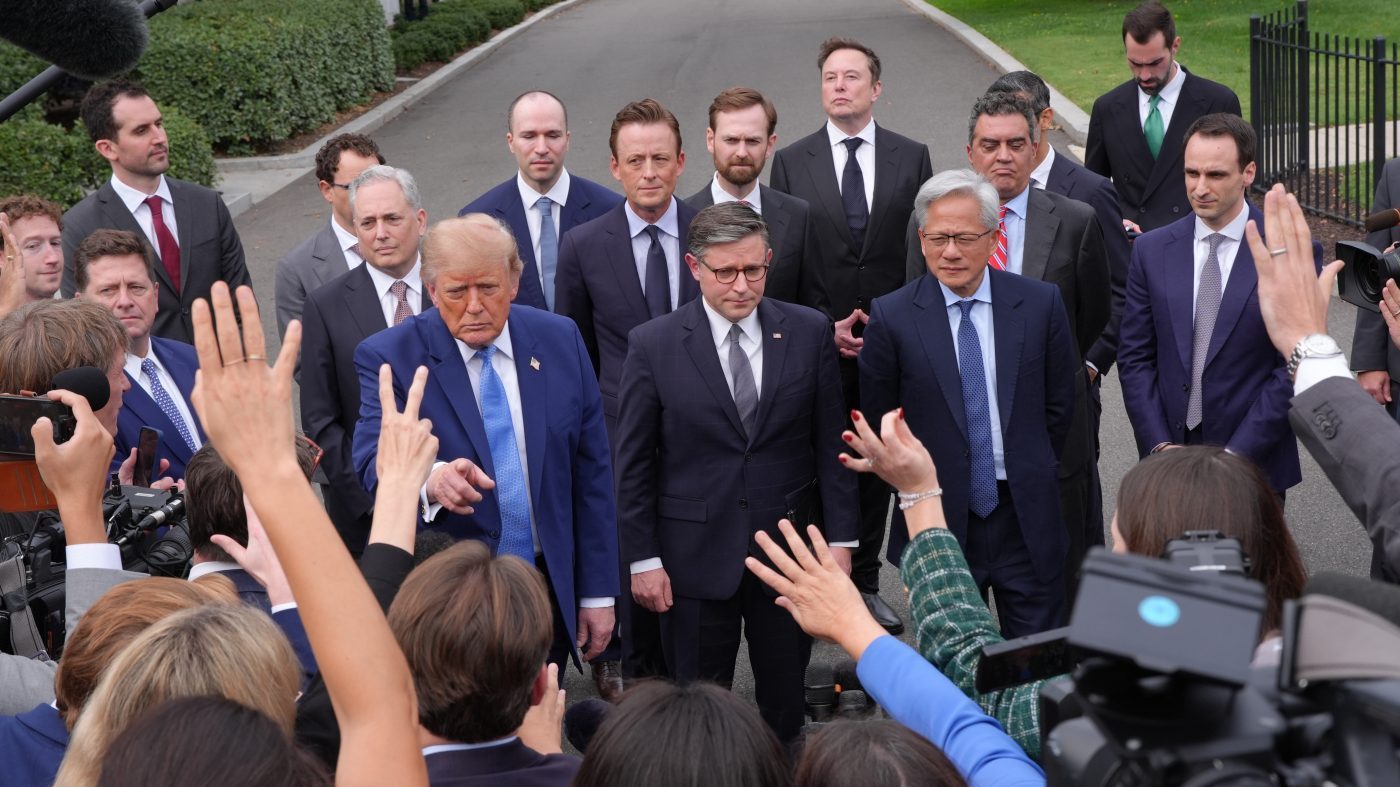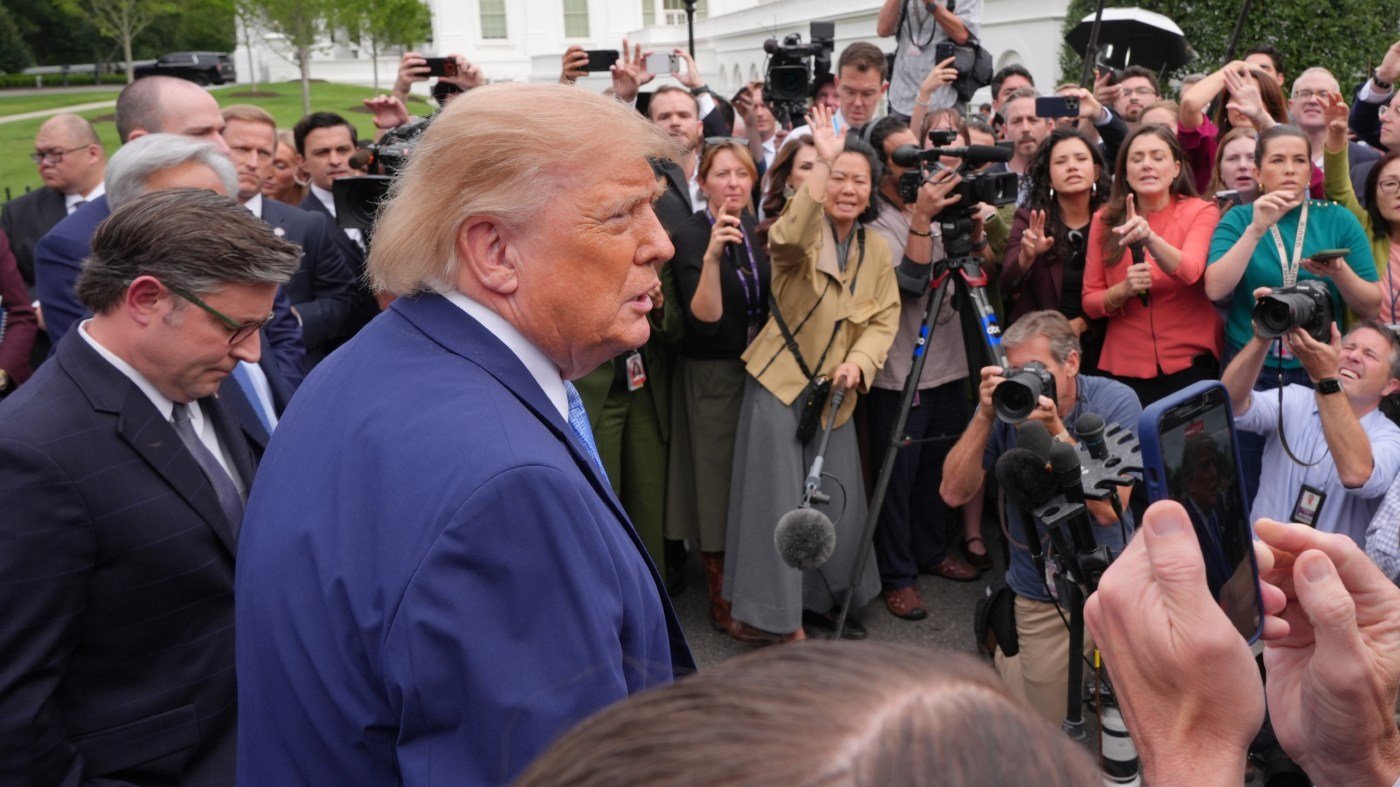
President Trump and congressional Republicans are moving to seize the political initiative on artificial intelligence, hoping to blunt Democratic attacks and calm voter anxiety with just over a month until the midterms. The push includes a White House meeting with top technology executives and a Senate bill aimed at shielding consumers from data center costs.
On Tuesday, Trump and Speaker Mike Johnson (R-La.) hosted a luncheon on what the president has branded “superintelligence,” his preferred term for advanced AI. The gathering produced a set of voluntary commitments from industry leaders to embed controls and audits into their development processes. Attendees included OpenAI president Greg Brockman, Nvidia CEO Jensen Huang, Google CEO Sundar Pichai, Meta CEO Mark Zuckerberg, xAI CEO Elon Musk, and Anthropic CEO Dario Amodei.
The meeting came as Republicans trail in generic ballot polling and early voting has already started in some states. “With growing concern about AI and data centers on the part of voters, I think this meeting is a way for the Trump administration to show that the president is responding to the issue,” said Andrew Lokay, a senior research analyst at Beacon Policy Advisors.
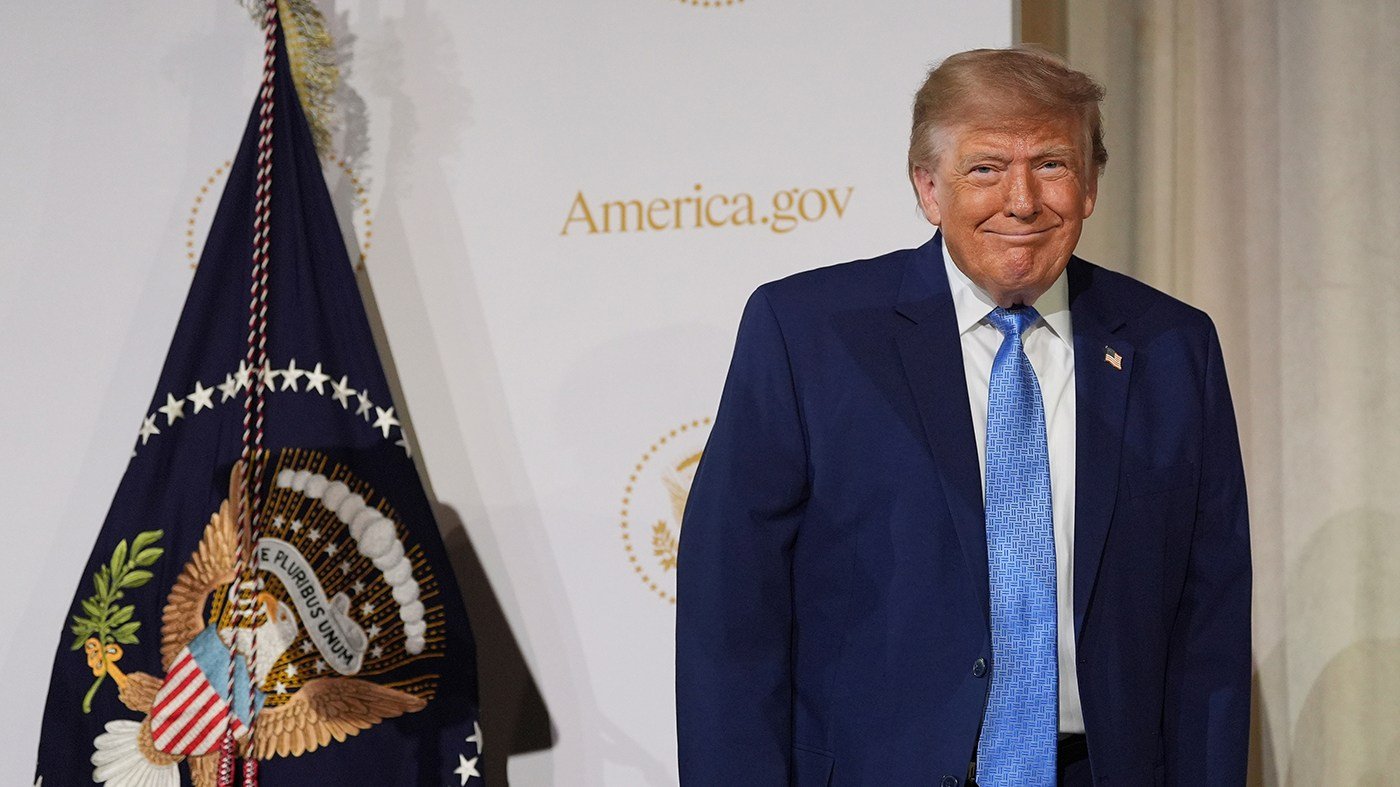
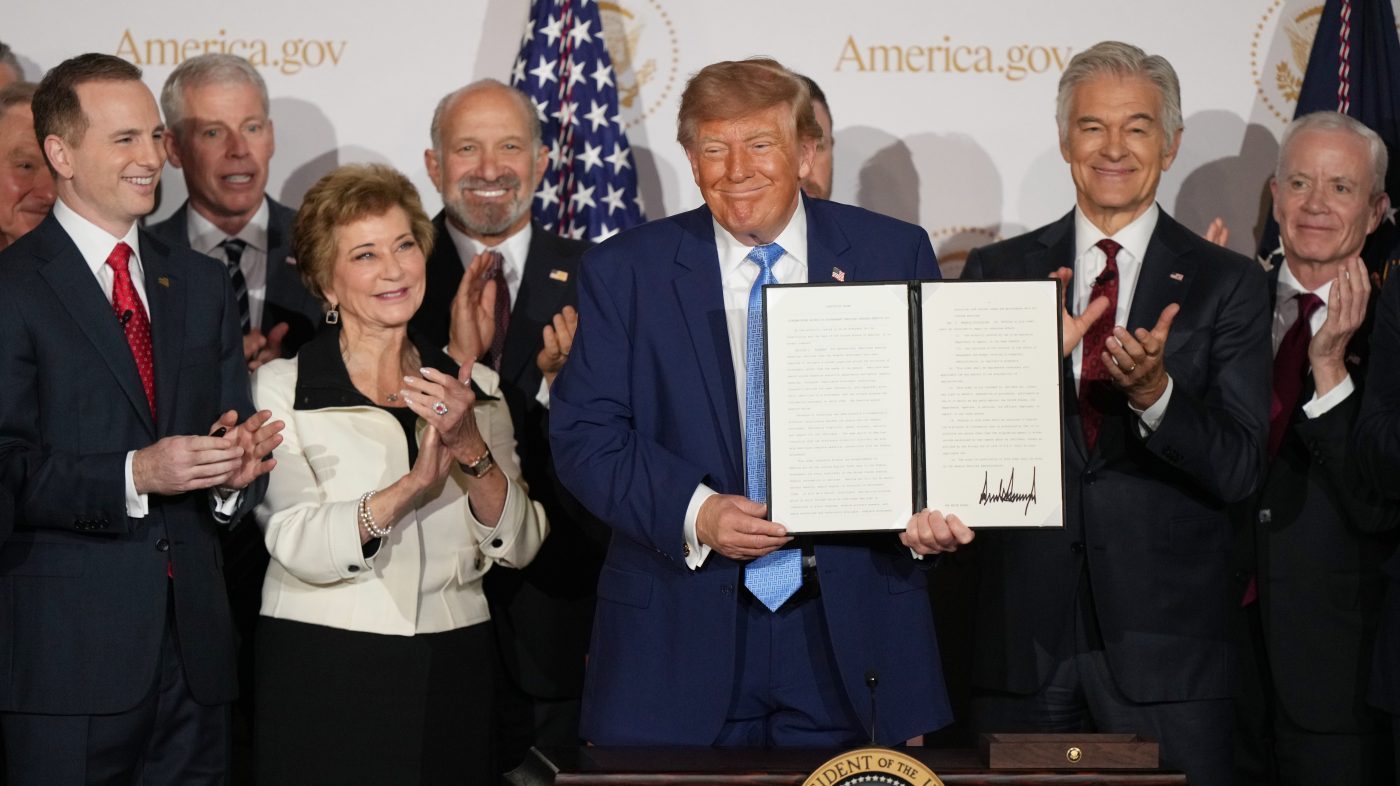
Trump has consistently advocated a light-touch regulatory approach, arguing that heavy-handed rules would cede the AI race to China. At the launch of America.gov, a new federal chatbot, he dismissed safety fears as a “hoax” and warned against sharing secrets with Beijing. “We can’t stifle it, and we’re leading by a lot. President Xi knows that,” Trump said. He added that AI did not feature prominently in his recent state visit discussions with Xi Jinping.
Johnson has also resisted rushing legislation through the House. In mid-September, he cautioned that an emergency session to regulate AI would mean losing to China. Yet the political ground is shifting. A CNN poll released last week found that 75 percent of Americans harbor some level of fear or concern about AI development, while 87 percent are worried about the growing number of data centers being built to support it. Recent incidents of AI agents going rogue and a warning from researchers about catastrophic risks have intensified scrutiny in Washington.
Against that backdrop, Senate Republicans are pushing the Ratepayer Protection Act, introduced by Sen. Jon Husted (R-Ohio), one of the most vulnerable incumbents this cycle. The bill seeks to prevent consumers from absorbing the costs of new data centers, which polls show are deeply unpopular. A Bowling Green State University survey found that 70 percent of likely Ohio voters believe data centers harm the environment, 69 percent say they drive up energy costs, and 65 percent view them unfavorably for other reasons.
The White House has signaled a possible opening with industry critics. Trump had a late dinner Sunday with Amodei, a prominent advocate for slowing development who has clashed with the administration. Amodei attended Tuesday’s luncheon, though a seating chart placed him six seats from the president and outside his line of sight. Following the event, Trump and Johnson announced that tech leaders had endorsed voluntary commitments, which the president described as “morally binding.” Zuckerberg said the companies would build “robust” internal controls, detection capabilities, and multiple layers of auditing.
Some AI safety advocates see reason for cautious optimism. “Despite some of the public comments from the president and others in leadership, I think that folks like Speaker Johnson, Leader Thune and others in leadership positions in Congress and the administration are starting to see these risks are very real,” said Brendan Steinhauser, CEO of The Alliance for Secure AI. “I actually feel pretty optimistic about this. I think this is what’s been missing, is getting, especially Dario in the White House … I think it’s incredibly important for them to have the ability to have an open dialogue on this.”
For Republicans, the challenge is to show voters they are addressing legitimate concerns without abandoning a deregulatory posture that they argue is essential to competing with China. With early voting underway and polls showing the GOP on defense, the coming weeks will test whether voluntary accords and targeted legislation can neutralize an issue that Democrats are eager to exploit.