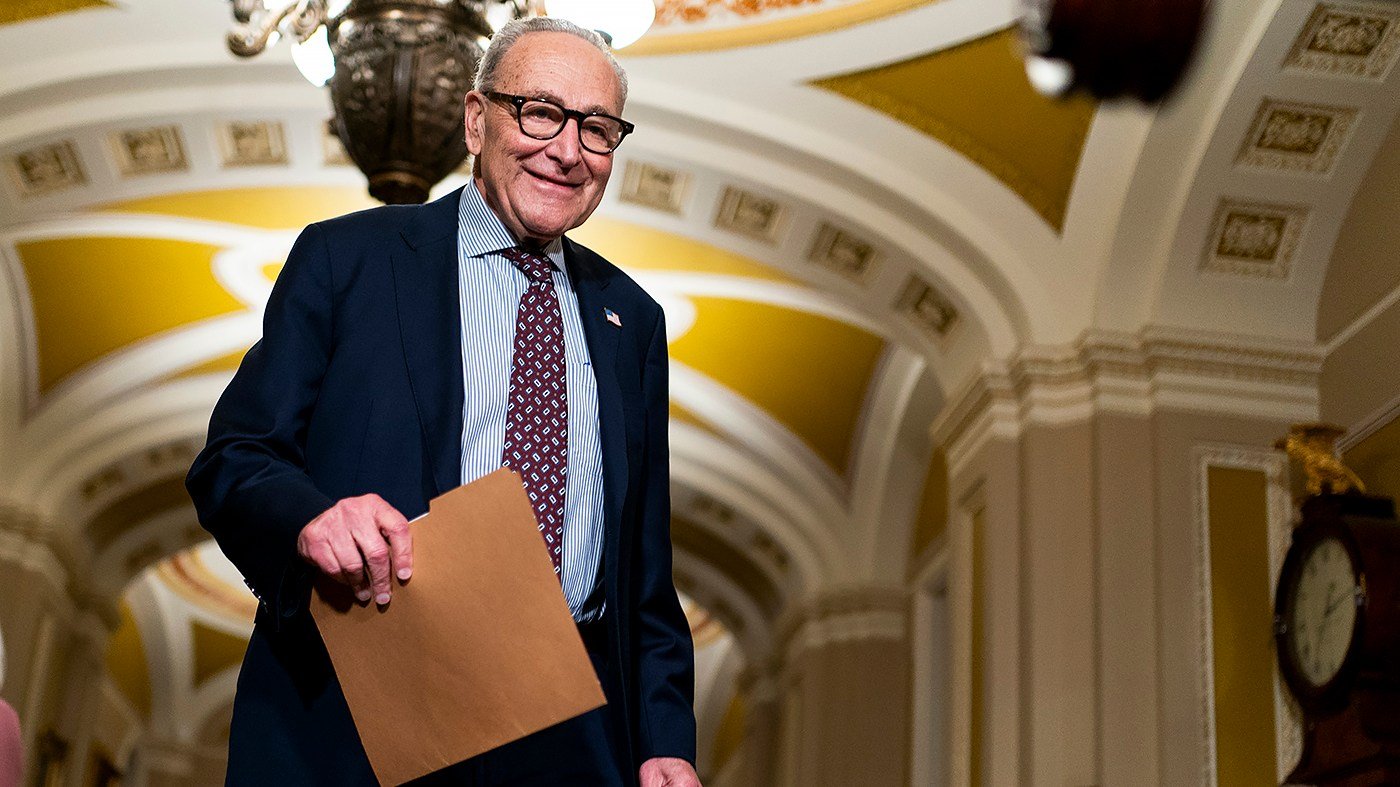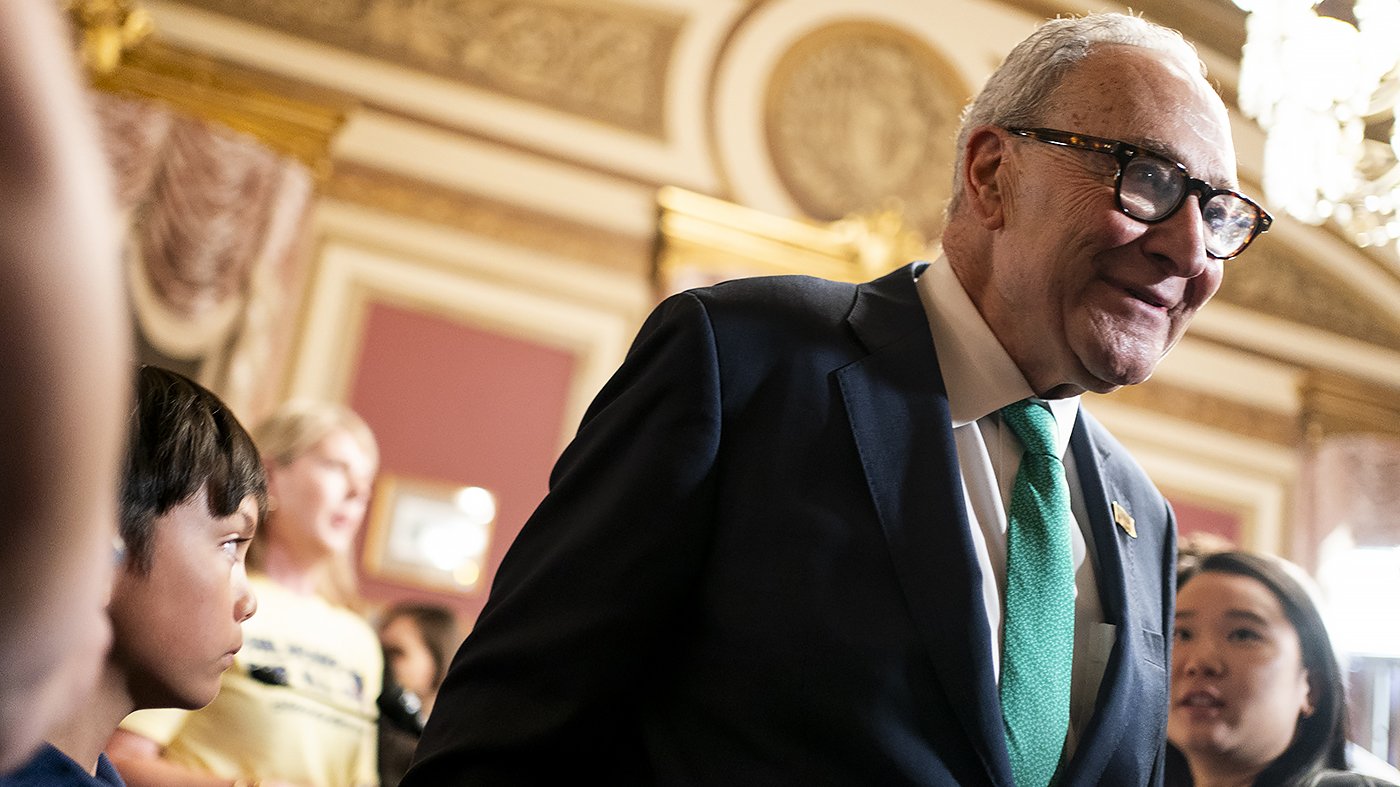
Senate Democratic Leader Chuck Schumer is facing the most serious challenge to his leadership in years, as a crop of newly nominated progressive candidates has vowed to oppose his bid for another term at the helm of the caucus. The growing rebellion reflects a broader intra-party struggle over the direction of the Democratic Party, with insurgents demanding a sharper break from corporate influence and a more aggressive push for economic populism.
The discontent has been fueled by a string of progressive primary wins in states like Illinois, Maine, Michigan, and Minnesota. Nominees including Abdul El-Sayed in Michigan, Peggy Flanagan in Minnesota, and Troy Jackson in Maine have all stated they will not vote for Schumer when the caucus organizes after the November elections. Illinois Lieutenant Governor Juliana Stratton, who secured the Democratic nod to replace retiring Senator Dick Durbin, echoed that sentiment, saying voters in her state are “fed up with what’s happening in Washington.”
These candidates argue that the party has become too cozy with corporate donors and has failed to deliver on promises to raise taxes on the wealthy and expand the social safety net. Their campaigns have been bolstered by progressive senators within Schumer’s own caucus, who see the primary results as a clear mandate for change. One anonymous Democratic senator noted that the victories send a powerful message that Americans are tired of “oligarchs, dark money, and corporations having all the power,” and that any party ignoring that sentiment is “screwing up.”
Despite the pressure, Schumer’s allies insist he remains firmly in control. They point to his record as a tireless fundraiser and his success in recruiting top-tier candidates in competitive states like North Carolina, Ohio, Iowa, and Alaska. Schumer personally persuaded figures such as former North Carolina Governor Roy Cooper, former Ohio Senator Sherrod Brown, Iowa state Representative Josh Turek, and former Alaska Representative Mary Peltola to enter their races. These efforts, they argue, demonstrate his continued value to the party’s electoral prospects.
However, the same fundraising prowess that has made Schumer indispensable is now being turned against him. Progressive critics are highlighting his close ties to wealthy donors and corporate PACs as evidence that he is out of step with the party’s grassroots energy. The anonymous senator noted that special interest groups spent a staggering $60 million to defeat El-Sayed in his primary, a figure that underscores the financial firepower aligned with the establishment.
Strategists are divided on whether the progressive surge represents a lasting shift or a temporary backlash. One Schumer-aligned strategist dismissed the narrative that the party is moving left, pointing to the recent loss of a democratic socialist candidate in a Wisconsin gubernatorial primary as evidence that the left’s appeal is limited outside deep-blue states. “Is the party really moving left?” the strategist asked. “Does the data really yield that?”
Looking ahead, the future of Schumer’s leadership may hinge on the outcome of the November elections. If Democrats regain the Senate majority, Schumer can credibly claim victory and fend off challenges. But if the party falls short, even with a favorable political environment, pressure for a change at the top could become irresistible. Veteran Democratic strategist Steve Jarding warned that a failure to take the Senate would likely make Schumer the scapegoat. “Somebody is going to have to pay a price,” he said, “and the most likely person is Chuck Schumer.”
Potential successors are already being mentioned, with Senator Brian Schatz of Hawaii, who has secured the whip position, seen as a likely heir apparent. More moderate voices, such as Senator Catherine Cortez Masto of Nevada, are also being floated, thanks to her strong fundraising network and skilled staff. The jockeying underscores the uncertainty surrounding Schumer’s tenure, even as he remains the favorite to retain his post.
For now, Schumer is pressing forward, confident in his ability to deliver results. His allies note that he has weathered similar storms before and that his institutional knowledge and strategic acumen remain unmatched. But with progressive energy surging and the party’s base demanding change, the coming months will test whether Schumer can hold the center of a party increasingly pulled to the left.