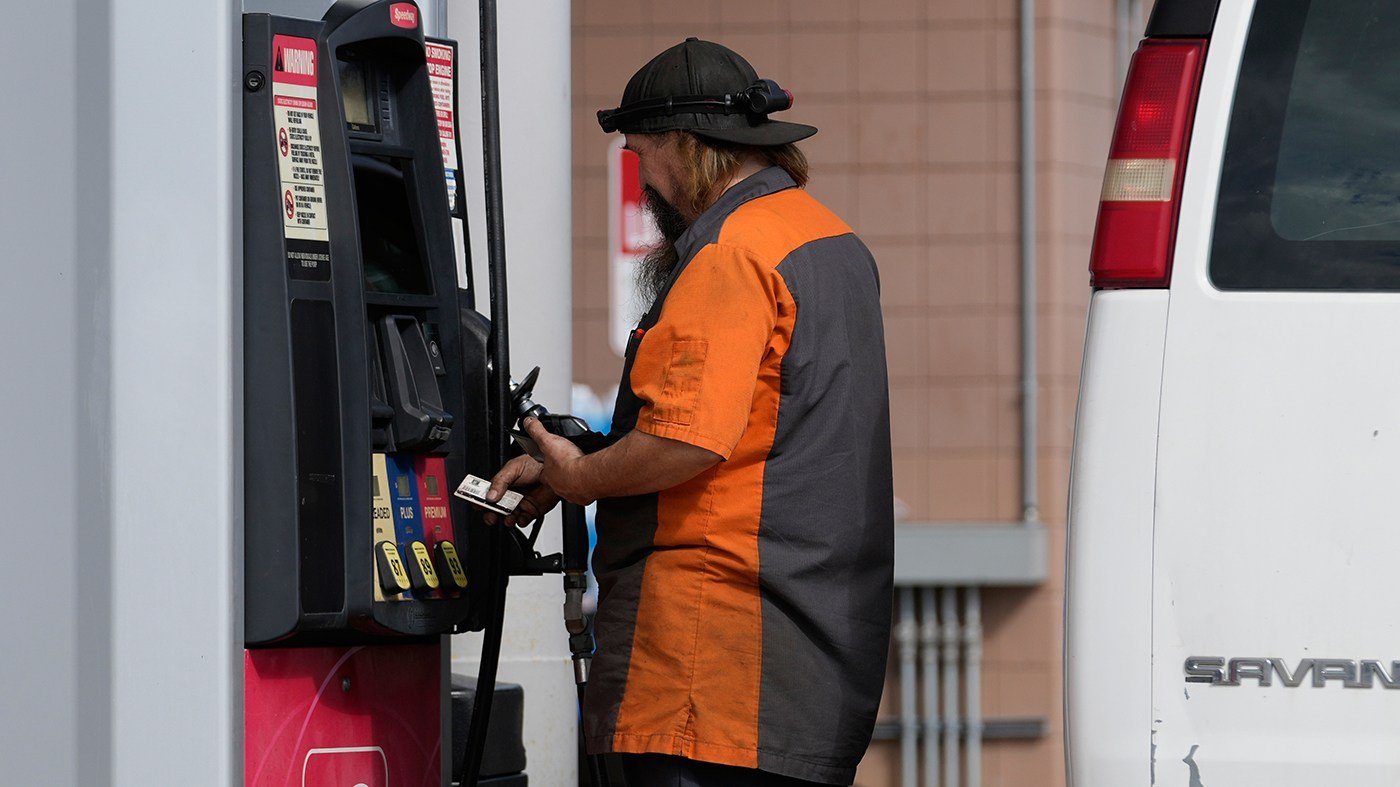
As the national average for a gallon of gasoline hovers around $4.43, pressure is mounting on policymakers to provide relief at the pump by suspending fuel taxes. The seven-month conflict with Iran has sent energy prices soaring, and both state and federal officials are scrambling to respond.
This week, Indiana and Georgia joined a growing list of states taking action. Georgia Governor Brian Kemp (R) suspended the state's 33.3 cents per gallon gas tax and 37.3 cents per gallon diesel tax for 30 days, calling it a measure to give Georgians “relief.” Indiana has also moved to reduce its fuel taxes, though details vary.

At the federal level, several lawmakers and candidates are pushing for a suspension of the 18 cents per gallon federal gas tax and the 24.4 cents per gallon diesel tax. In Michigan, both Senate nominees—Democrat Abdul El-Sayed and Republican Mike Rogers—have voiced support for pausing these taxes. In Texas, Democrat James Talarico has called for a suspension, while Republican Ken Paxton has gone further, advocating for a complete repeal.
This week, Senator Mark Kelly (D-Ariz.) and Representative Chris Pappas (D-N.H.), who is running for Senate in a tight race, introduced a bill to pause federal gas, diesel, and aviation fuel taxes. They had previously proposed a similar measure that would have suspended the gas tax through October 1. Meanwhile, Representative Andy Harris (R-Md.) attempted to push a suspension through the House, but his effort failed. His office blamed “the swamp,” saying, “They never met a tax they didn’t like, no matter how painful for Americans at this time.”
House Speaker Mike Johnson (R-La.) acknowledged the lack of consensus, telling Politico, “I don’t know that we have consensus around what that would look like.” He added that there were “about five or six different ideas” and that lawmakers would work to lower gas prices, though he noted “many factors” contribute to the high costs.
The push comes as fuel prices remain unusually high for this time of year. Typically, gas costs decline in the autumn after the summer driving season, but the Iran war has disrupted energy infrastructure and shipping, keeping prices elevated. The ongoing Russia-Ukraine war also plays a role, as Ukrainian attacks on Russian refineries reduce global supply of refined fuels like gasoline and diesel.
However, experts caution that suspending the federal gas tax could have unintended consequences. Adam Hoffer, director of excise tax policy at the Tax Foundation, noted that from a public finance perspective, it’s “less than ideal” because the tax funds highway maintenance. He warned that a suspension would “create a real fiscal problem” for the Highway Trust Fund, which is already running deficits.
Yonah Freemark, a principal research associate at the Urban Institute, argued that the impact on consumers would be “pretty minimal.” He pointed out that gas stations are under no obligation to pass the full savings on to drivers. “They could take off 10 cents. It depends on what is going on around them,” he said, emphasizing that gas prices are market-driven. Hoffer estimated consumers would see at least 80 percent of the savings, but only “cents, not dollars” per gallon.
Historically, gas tax holidays have been politically popular but contentious. In 2008, Hillary Clinton backed a suspension while campaigning for president, putting her at odds with Barack Obama. Similar proposals emerged in 2022 when prices spiked after Russia invaded Ukraine. With the Iran war now driving prices, incumbents—particularly Republicans tied to President Trump’s decision to launch the conflict—are feeling the heat.
Analysts warn that a quick-fix suspension could lead to increased borrowing and deficits, as the government would need to find alternative funding for transportation infrastructure. “We have a highway trust fund that’s absolutely broke, and what folks are proposing will, crazily enough, make that situation even worse,” Freemark said.