The United States has dramatically escalated its economic and military pressure on Iran, seizing an Iranian cargo ship in the Gulf of Oman and imposing a formal naval blockade on the critical Strait of Hormuz. The move has triggered a direct threat of retaliation from Iran's top military command, further destabilizing a region already on edge.
Military Threats and a Seized Vessel
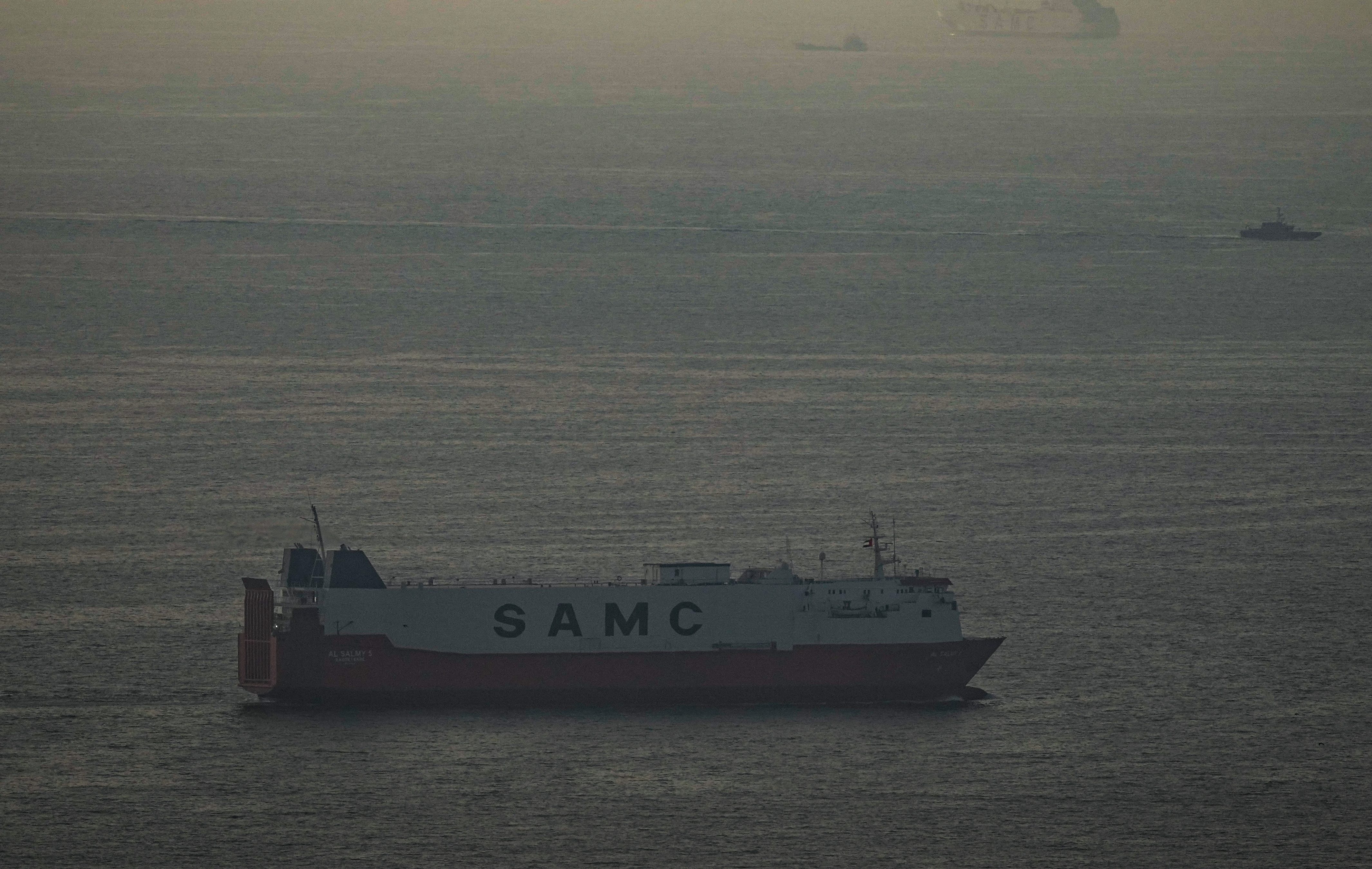
Iran's Khatam al-Anbiya Central Headquarters, the operational command of its military, issued a statement vowing to take "necessary action" against what it called the "terrorist U.S. military." The threat came in response to the seizure of the cargo ship Tokusa by U.S. Marines over the weekend. According to U.S. reports, the vessel was boarded after ignoring repeated warnings over a six-hour period.
The Iranian command offered an explanation for why its forces did not intervene during the seizure, claiming that the presence of crew members' families onboard created operational constraints. "They faced constraints in order to protect their lives and ensure their safety, as they were in danger at every moment," the statement said. This incident follows a pattern of U.S. naval interdictions of Iranian vessels in the region's contested waterways.
A Strategic Blockade and a Presidential Directive
Concurrent with the seizure, the U.S. has declared an official naval blockade in the Strait of Hormuz, a chokepoint for roughly a fifth of the world's seaborne oil. American forces have already turned away more than a dozen vessels attempting to transit the strait. The blockade represents a significant hardening of the U.S. posture, directly challenging Iran's control over the waterway and its frequent threats to close the strait.
The actions are being executed under a directive from President Trump, who stated on Saturday that U.S. soldiers would board Iranian-linked ships to intensify economic pressure on Tehran. The stated goal is to force Iran to agree to a long-term ceasefire and end regional hostilities. This aggressive stance keeps military options visibly on the table as part of the administration's maximum pressure campaign.
Faltering Diplomacy and Regional Pressure
The escalation has thrown already fragile diplomatic efforts into disarray. Negotiations for a peace deal, which were scheduled to take place this week in Islamabad, appear to be in jeopardy. Iranian Foreign Ministry spokesperson Esmail Baghaei said Tehran has no plans to attend the talks, according to reports from The Associated Press.
However, conflicting signals emerged from Pakistani officials, who told news agencies that Iran remains open to holding a second round of talks. This diplomatic confusion occurs as international pressure mounts to end the conflict and reopen the Strait of Hormuz to unimpeded commercial traffic. The U.S. military is actively preparing for further ship boardings and seizures should the standoff continue.
Broader Context of Escalation
This maritime confrontation unfolds against a backdrop of prolonged tension between Washington and Tehran, encompassing nuclear negotiations, regional proxy conflicts, and energy security. The blockade and seizure tactics mark a shift toward more direct, kinetic enforcement of economic sanctions, moving beyond financial measures. It also tests Iran's response threshold, as its military remains on high alert amid broader geopolitical deadlines.
The immediate risk is a miscalculation or localized clash that spirals into a broader military confrontation. President Trump has previously threatened renewed strikes on Iran if diplomatic efforts fail, a timeline that now seems increasingly compressed. The coming days will reveal whether Iran chooses to retaliate militarily for the seizure, attempt to reinforce its military control over the Strait of Hormuz, or return to the negotiating table under duress.