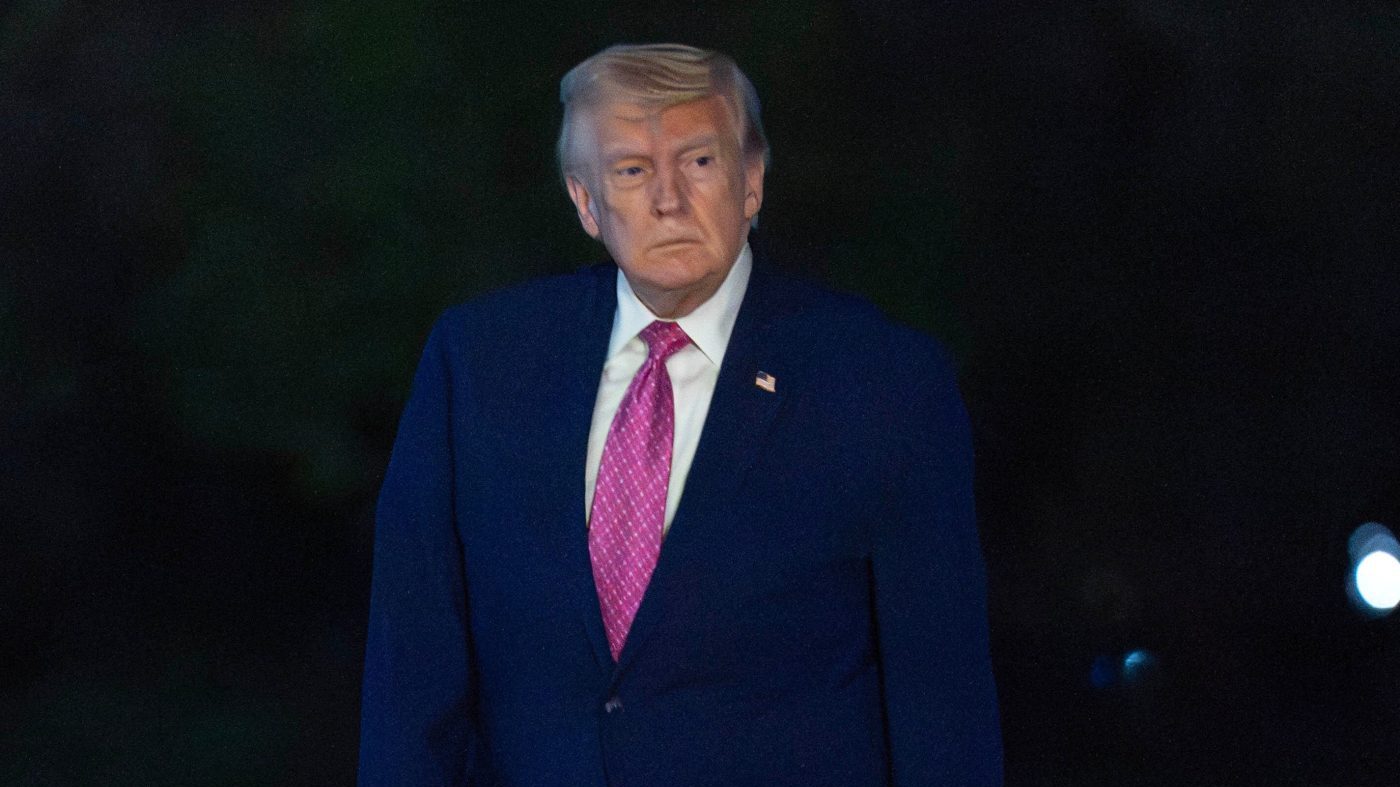
President Donald Trump declared Saturday that a significant number of empty oil tankers are currently sailing toward the United States to load American crude, framing the movement as a commercial opportunity rather than a direct consequence of the ongoing maritime crisis in the Middle East.
In a post on his Truth Social platform, Trump stated, "Massive numbers of completely empty oil tankers, some of the largest anywhere in the World, are heading, right now, to the United States to load up with the best and 'sweetest' oil (and gas!) anywhere in the World." He boasted of American energy dominance, adding, "We have more oil than the next two largest oil economies combined — and higher quality. We are waiting for you. Quick turnaround!"
Talks Proceed Amid Strait Closure
The statement coincided with indirect negotiations between U.S. and Iranian delegations in Islamabad, mediated by Pakistan. These talks aim to forge a longer-term agreement to end a six-week regional conflict, following a fragile two-week ceasefire Trump announced days earlier. That pause in hostilities was conditioned on Tehran reopening the Strait of Hormuz.
The strategic waterway, which carries approximately one-fifth of global oil shipments, has been largely sealed since the conflict began on February 28. While a brief reopening occurred, Iran restricted transit again this past Wednesday following Israeli strikes on Hezbollah targets in Lebanon. The closure has sent shockwaves through global energy markets and highlighted the administration's assertive stance toward Iran.
Trump Denies Direct Link, Criticizes Allies
In a Saturday morning call with NewsNation, Trump explicitly denied the tanker movement was due to the strait's closure. "No, it's not," he told correspondent Kellie Meyer, predicting the channel would reopen "in the not-too-distant future." He characterized Iran as "a failing nation" and suggested shippers were seeking alternatives.
However, the president has simultaneously framed the U.S. as taking unilateral action to clear Iranian sea mines from the strait, calling it a "favor" to trading nations like China, Japan, and European powers. "Incredibly, they don't have the Courage or Will to do this work themselves," he wrote, echoing his longstanding frustration with European allies over burden-sharing in defense matters. The strait's security has become a central point of contention within NATO.
Trump also condemned a reported Iranian plan to levy a cryptocurrency fee on each barrel of oil transiting the strait, warning bluntly last Thursday, "They better not be."
Broader Political Context
The maritime standoff unfolds against a volatile domestic political backdrop. The administration continues to pursue a hardline foreign policy while facing scrutiny on other fronts, including recent actions on gender identity policy and ongoing partisan investigations. Meanwhile, Democratic leaders are navigating internal pressure regarding their strategy toward the former president.
The situation remains fluid. The success of the Islamabad talks is uncertain, and the global energy market is closely watching whether the Strait of Hormuz reopens or if Trump's promotion of U.S. exports becomes a more permanent feature of the crisis. The president's latest comments reinforce his strategy of leveraging American energy production as both an economic and geopolitical tool while challenging traditional allies to take a more active role in regional security.