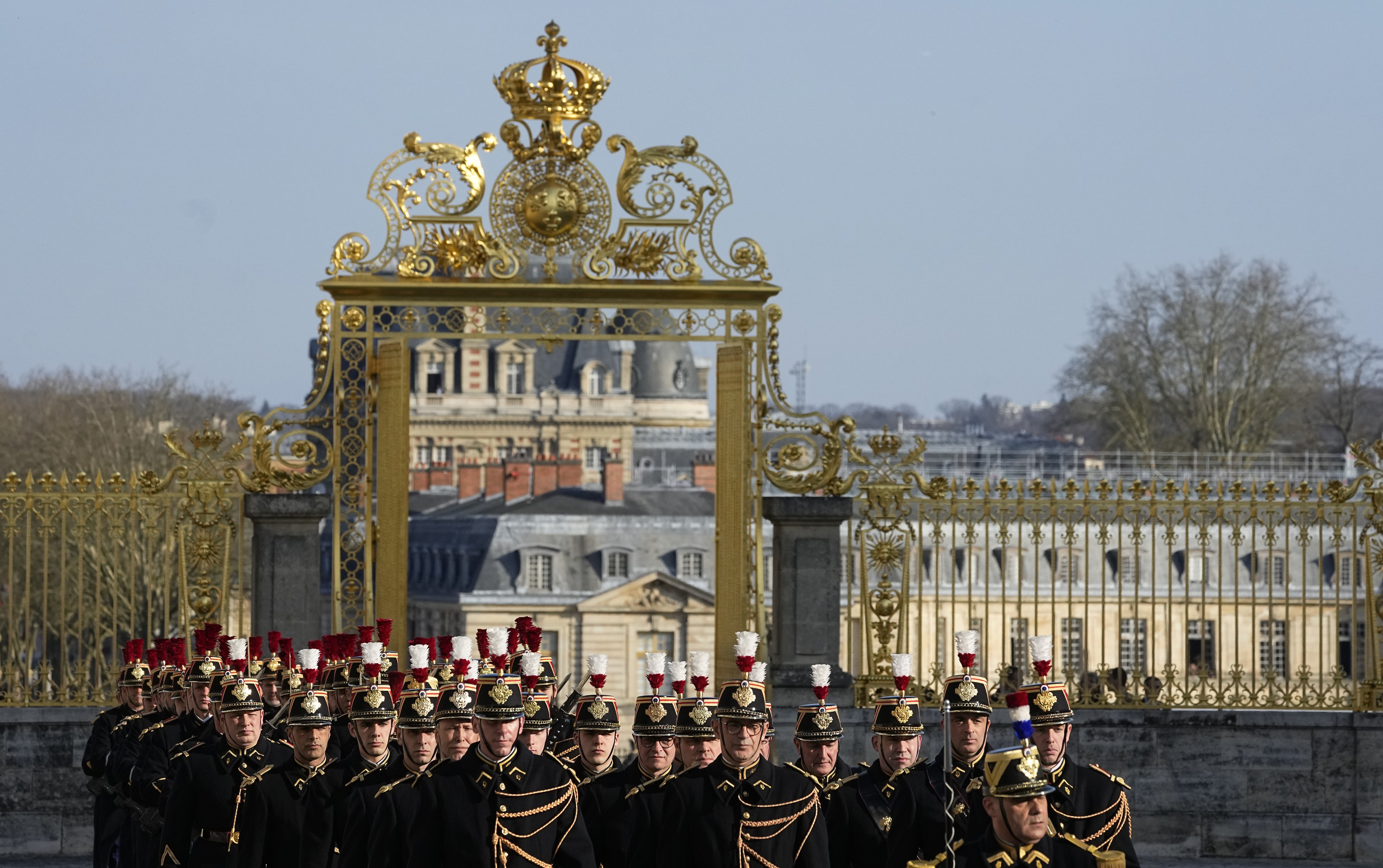
French President Emmanuel Macron has formally invited President Donald Trump to a diplomatic dinner at the historic Palace of Versailles, scheduled to follow the upcoming Group of Seven summit in June. The invitation, first reported by Reuters and not yet officially confirmed by either government, represents a significant diplomatic overture from Paris to Washington at a moment of profound strain in the transatlantic alliance.
A Summit Rescheduled and a Lavish Gesture
France, hosting this year's G7 gathering of major industrialized democracies, shifted the summit dates from June 14-16 to June 15-17 specifically to accommodate White House scheduling conflicts. These reportedly included a UFC event coinciding with President Trump's 80th birthday. The subsequent Versailles dinner is framed as a commemoration of Franco-American "shared history" ahead of the United States' 250th anniversary on July 4.
This gesture follows a pattern of disrupted summits. Last year, President Trump departed the G7 meeting in Canada a day early, citing Middle East tensions, which hampered collective progress on key issues. The upcoming event's success remains uncertain, with Reuters sources indicating it is unclear whether Trump will attend either the summit or the dinner, despite one White House official's claim that Macron is "begging him to go."
An Alliance Under Severe Stress
The invitation unfolds against a backdrop of escalating rhetoric and policy clashes between the U.S. and its European allies, primarily centered on the war in Iran. President Trump has grown increasingly vocal in his frustration, labeling European NATO members "cowards" and deriding the alliance as a "paper tiger" in March. His anger stems from several nations refusing permission for the U.S. to use their airbases for military operations against Iran and a broader reluctance to engage directly in the conflict.
"[They] complain about the high oil prices they are forced to pay, but don’t want to help open the Strait of Hormuz, a simple military maneuver that is the single reason for the high oil prices. So easy for them to do, with so little risk. COWARDS, and we will REMEMBER!" Trump wrote on his Truth Social platform. This sentiment was echoed in a separate post where he warned, "The U.S.A. will remember!!!" after reports that France had restricted flights to Israel, which Israel wanted to use for transporting U.S. weaponry.
A Clash of Principles and Posture
Macron has publicly condemned U.S. strikes in the Iran conflict as operating outside "international law." Trump, in turn, has criticized the French leader as being "very unhelpful." This fundamental disagreement over the rules of engagement and alliance obligations has created one of the most severe rifts in recent NATO history. The current two-week ceasefire and planned peace talks in Pakistan have done little to publicly cool tensions between Washington and European capitals.
The diplomatic schism has triggered significant political reactions domestically. Former Secretary of State John Kerry has condemned Trump's rhetoric on Iran as potentially paving a path to 'war criminal' status. Simultaneously, Congressman Jamie Raskin has cited Trump's "deranged" Iran threats in demanding the president submit to a public cognitive test, highlighting how foreign policy is fueling domestic political battles.
Broader Political Repercussions
The strain is also testing political coalitions at home. Representative Marjorie Taylor Greene has openly questioned Republican Party identity following her own break with Trump, a fissure that extends into foreign policy debates. Furthermore, the administration's hardline stance continues to face legal and procedural challenges, including judges wrestling with a 1974 trade law as Trump's new 10% tariffs face legal scrutiny.
Macron's Versailles invitation is thus a high-stakes gamble. It is an attempt to leverage personal diplomacy and historical pageantry to bridge a gap widened by substantive policy warfare and bitter personal recriminations. Whether a dinner in the Hall of Mirrors can reflect a path to reconciliation for the Western alliance, or merely the image of its deep fractures, remains the central question as the G7 approaches.