A three-judge panel at the U.S. Court of International Trade engaged in lengthy deliberations on Friday over the legal foundation for President Trump's recently imposed 10 percent global tariff, revealing deep judicial uncertainty about a nearly fifty-year-old trade statute. The challenge, brought by a coalition of small businesses and multiple Democratic-led states, represents the first major legal confrontation with the administration's second-term trade policy.
Judicial Confusion Over Archaic Statute
Throughout the marathon session, judges repeatedly expressed frustration while attempting to interpret Section 122 of the Trade Act of 1974, the provision the administration now cites to justify the sweeping tariffs. The statute permits the president to impose temporary import surcharges of up to 15 percent to address "large and serious United States balance-of-payments deficits" during periods of "fundamental international payment problems."

"What is it and where is it defined?" Judge Claire Kelly pressed during arguments. Her colleague, Judge Timothy Stanceu, acknowledged the panel's collective struggle: "We're three judges who are trying to, please help us, we're trying to figure it out. It's a term in a statute, and we're trying to define it." By the hearing's conclusion, even attorneys acknowledged the ambiguity. Jeffrey Schwab, representing two small business plaintiffs, noted, "We've discussed for three hours, and nobody seems to come to a consensus on what it means."
Core Dispute: Defining a 'Balance-of-Payments Deficit'
The central legal conflict revolves around how to calculate whether a balance-of-payments deficit exists. The administration contends that examining the "current account"—which includes the trade deficit, international investment income, and personal remittances—is sufficient. "The president invokes Section 122 to address large and serious trade deficits," asserted Assistant Attorney General Brett Shumate.
Challengers argue this interpretation is unlawfully narrow, omitting other financial accounts that should factor into the calculation. They further contend that the 1974 law was designed to address currency crises under a fixed exchange rate system that no longer exists, making a true balance-of-payments crisis impossible in today's floating exchange rate environment. This legal battle follows the Supreme Court's February decision striking down Trump's previous tariffs, which were based on different emergency powers, a ruling that Justice Sonia Sotomayor later criticized as part of an unprecedented surge of emergency appeals from the administration.
A Divided Bench Scrutinizes Both Sides
Judge Stanceu, the sole Republican appointee on the panel, emerged as the most active questioner, extensively probing the challengers' interpretation of legislative history. He suggested Congress in 1974 was primarily concerned with liquidity protection and questioned why contemporary trade deficits wouldn't qualify as a "fundamental international payment problem" under the original understanding of the law.
However, the government faced significant skepticism from the full bench. Chief Judge Mark Barnett raised alarms about the lack of congressional constraints on presidential authority, stating, "There doesn't seem to be much there there in terms of Congress putting guardrails on his authority." Judge Kelly expressed doubt about the administration's claim that multiple calculation methods were permissible, remarking, "I didn't get that sense that there was this array of ways that you could calculate." Even Judge Stanceu concurred at one point that the government's argument might overreach.
Broader Political and Economic Context
The case unfolds against a backdrop of escalating negative U.S. trade rhetoric and increasing global economic tensions. The Trump administration's aggressive trade policies have frequently sparked international friction, reminiscent of controversies like the Greenland leader's rejection of Trump's territorial remarks which warned of threats to NATO cohesion.
Schwab, whose libertarian firm successfully challenged Trump's earlier tariffs, described the panel as exceptionally engaged but declined to predict the outcome, noting Stanceu's reputation for thorough questioning. The decision will establish significant precedent regarding presidential trade powers and could influence ongoing international negotiations, particularly as the administration simultaneously makes hardline threats toward Iran during sensitive diplomatic talks.
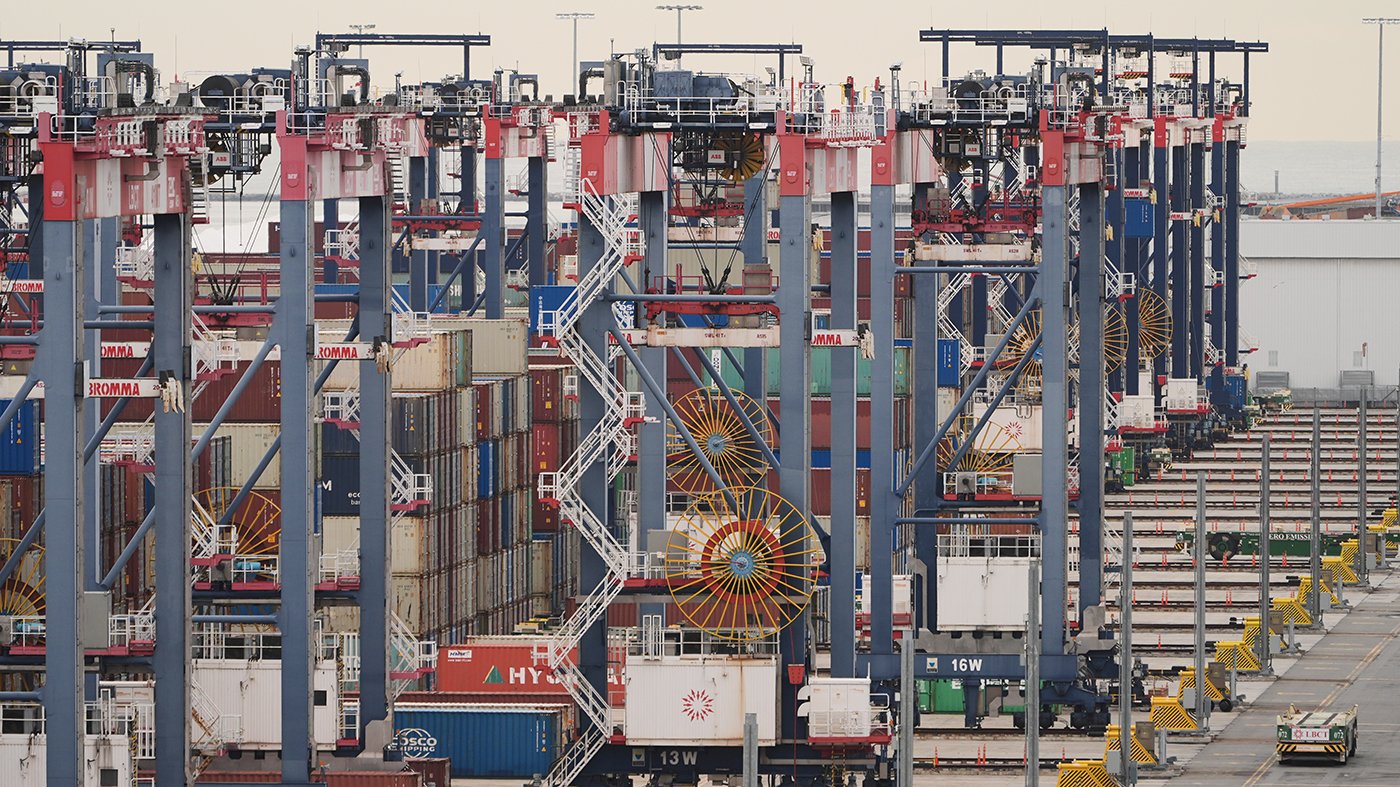
The ruling from this panel—composed of Stanceu (George W. Bush appointee), Barnett (Obama appointee), and Kelly (Obama appointee)—will determine whether the administration can proceed with its latest tariff initiative or must seek alternative congressional authorization. The outcome will directly impact global supply chains, domestic prices, and the scope of executive trade authority for future administrations.