Justice Warns of Eroding Judicial Norms
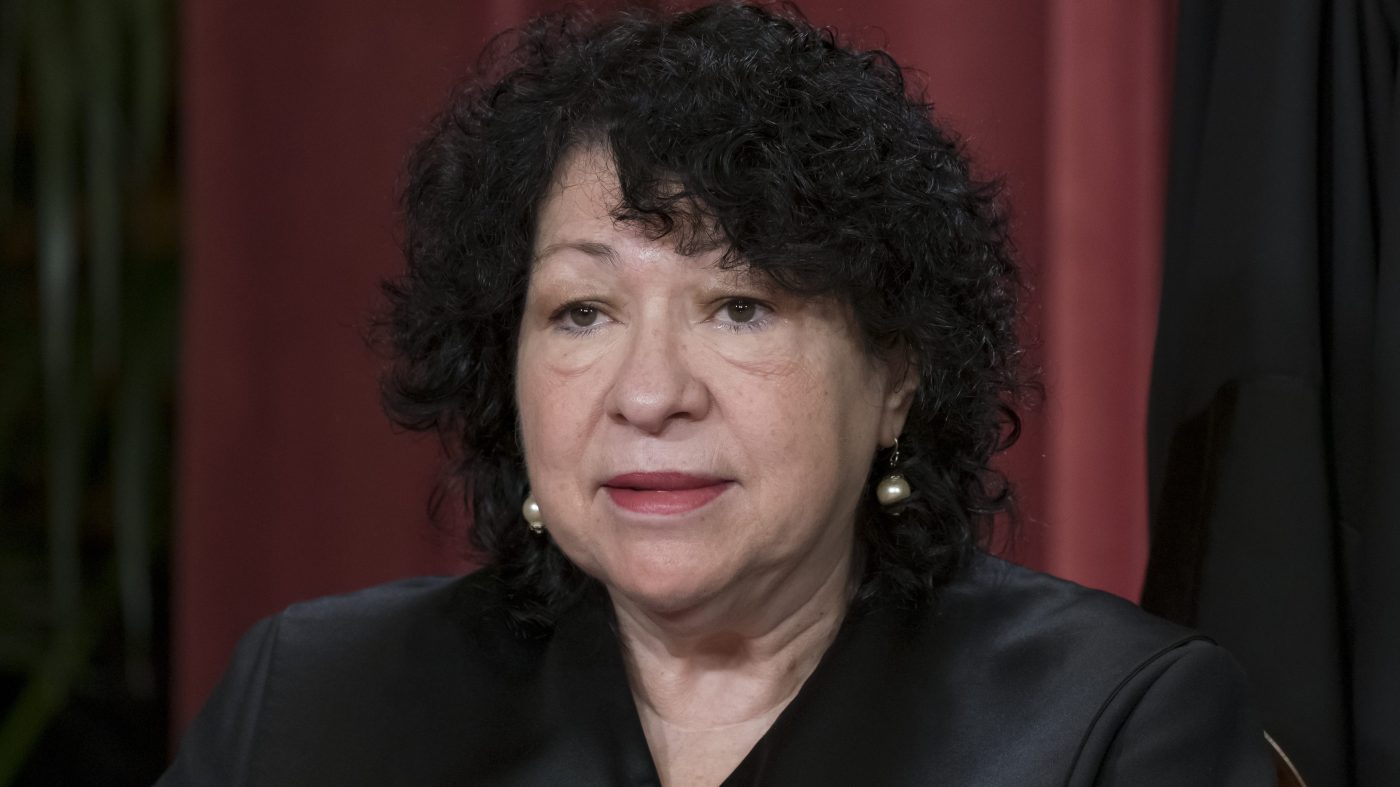
Justice Sonia Sotomayor has issued a pointed critique of the Trump administration's legal strategy, labeling its frequent use of the Supreme Court's emergency docket as "unprecedented in the court's history." Speaking at the University of Alabama School of Law, the liberal justice detailed concerns that the court's conservative majority is increasingly intervening in ongoing lower-court cases at the administration's request, a departure from traditional judicial restraint.
A Shift in Judicial Philosophy
The emergency docket, sometimes called the "shadow docket," allows parties to seek swift intervention from justices before cases are fully litigated below. Since Donald Trump retook the White House, his administration has filed 34 such emergency applications. In most instances, the court has sided with the administration, often lifting injunctions from lower-court judges who found its policies likely unlawful. These decisions are made quickly, without oral arguments, and frequently lack detailed explanations.
Sotomayor argued the court should allow the normal judicial process to unfold. "We should be letting the lower courts decide these issues first before we, the highest court of the land, make the final decision," she stated. She emphasized the need for facts to be "fully aired" in lower courts and for potential conflicts between circuit courts to develop before the Supreme Court steps in. "Since we are the final word, we should do it with some deliberation to make sure we get it right," Sotomayor added, noting this was the court's historical practice until recent years.
Internal Tensions and a Changed Paradigm
The justice's remarks highlight deepening divisions on the bench. The court's conservative majority, which includes six justices, often argues that blocking administration policies or laws passed by Congress causes "irreparable harm." Sotomayor countered this framing directly. "If you start with the presumption that there is irreparable harm to one side, then you're going to have more grants of emergency relief. Because the other side is going to have a much harder time," she said. "It has changed the paradigm on the court."
This internal conflict was visible last month when Justice Ketanji Brown Jackson publicly sparred with Justice Brett Kavanaugh over the docket. Jackson, who frequently dissents from emergency orders, argued that the administration's pattern of "making new policy ... and then insisting the new policy take effect immediately, before the challenge is decided" has created an "unfortunate problem." She suggested that the conservative justices' repeated siding with the Trump administration last year did not serve the court or the country well.
Broader Political and Legal Context
The emergency appeals have centered on contentious policies, including immigration directives and the firing of members of independent federal agencies. The administration contends it is forced to seek emergency relief because federal district judges are overstepping to block the president's agenda. Critics, including many Democratic lawmakers, argue the judicial rulings reflect an administration acting beyond legal boundaries. This legal friction occurs alongside other controversies, such as growing transatlantic tensions over NATO commitments and Democratic calls for Trump's removal following his rhetoric on Iran.
The administration's strategy has largely succeeded, but not without exception. In December, the court delivered a rare loss, refusing to intervene in a case concerning speech restrictions on immigration judges. This dynamic of frequent emergency appeals is part of a wider pattern of aggressive legal tactics from the Trump administration, which also faces challenges like a trade court challenge to its global tariff policy.
Sotomayor's critique underscores a fundamental debate about the role of the Supreme Court: whether it should act as a rapid arbiter for a sitting administration's priorities or maintain its traditional, more deliberative posture. Her warning suggests that the current trajectory risks the court's perceived legitimacy and the thoroughness of its decision-making, setting the stage for continued internal strife as major legal battles over presidential power unfold.