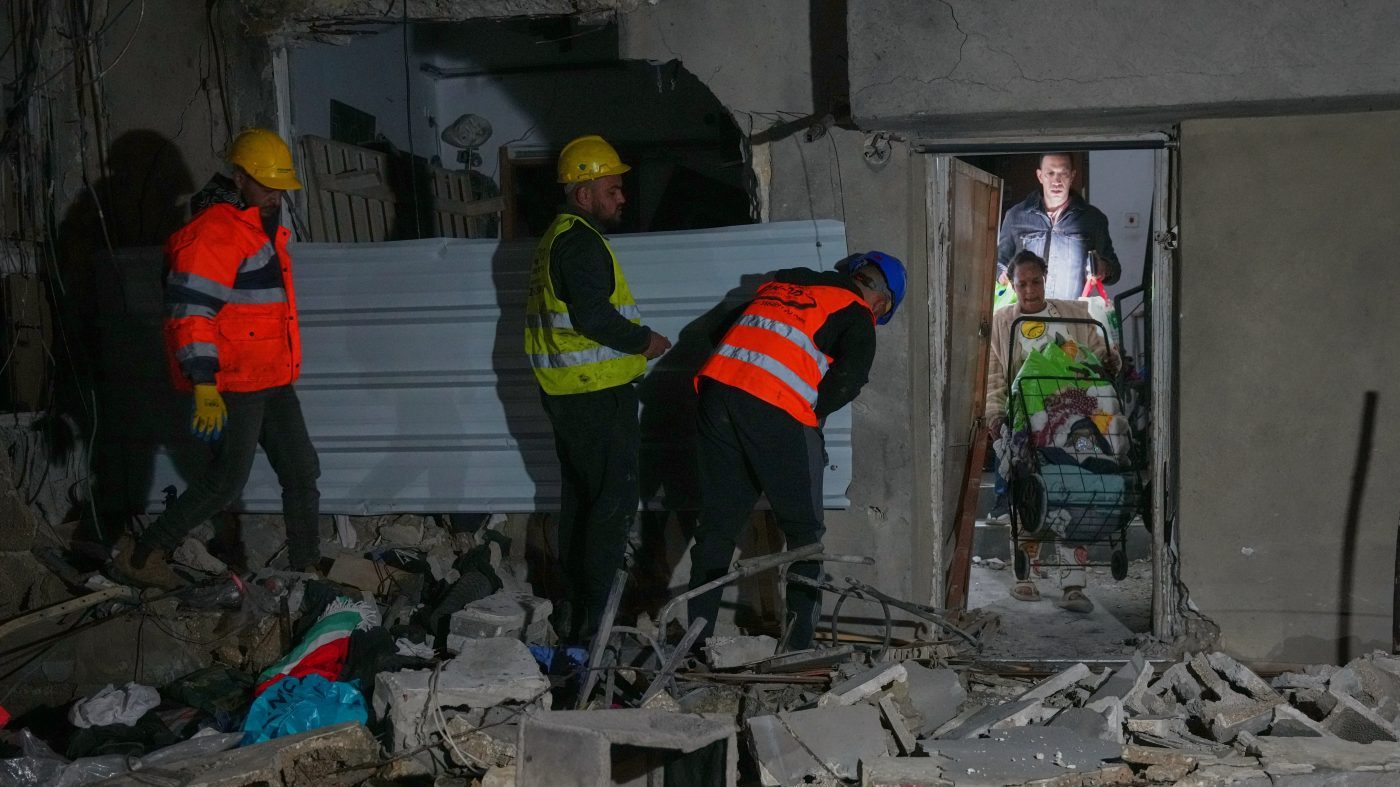
The Iran-backed Houthi movement in Yemen has claimed responsibility for launching a missile attack against Israel early Saturday, according to reports from The Associated Press. Israeli defense systems intercepted the projectile, with officials reporting no casualties or damage from the strike.
This military action follows a direct warning issued by the Houthi leadership just one day prior. The militant group stated it would intervene in the ongoing regional conflict if three specific "red lines" were crossed: Middle Eastern nations forming military alliances with the United States, the U.S. or Israel conducting military operations in the Red Sea, or continued attacks on Iran itself. The strike represents a significant expansion of the conflict's geographical scope, drawing in a powerful non-state actor from the Arabian Peninsula.
Diplomatic Efforts Collide with Military Escalation
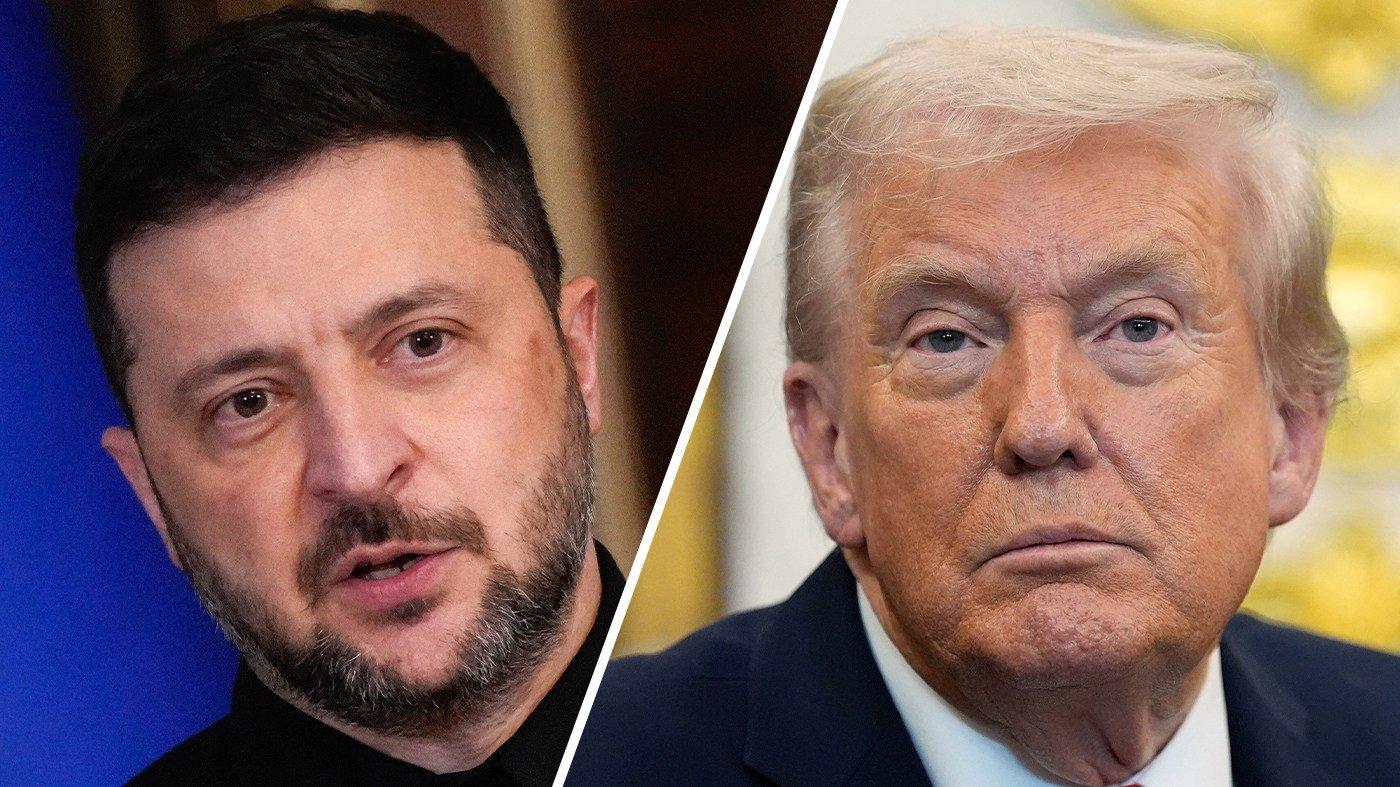
The Houthi attack occurs against a backdrop of strained diplomacy between Washington and Tehran. One month after joint U.S.-Israeli strikes on Iranian targets following the collapse of nuclear negotiations, dialogue appeared to resume this week through Pakistani intermediaries. The United States presented a 15-point action plan aimed at securing a ceasefire, but Iranian officials rejected the proposal and countered with their own set of demands.
President Trump announced Thursday he was extending a temporary pause on strikes against Iranian energy infrastructure by ten days, a move initially communicated via a post on Truth Social. "As per Iranian Government request, please let this statement serve to represent that I am pausing the period of Energy Plant destruction by 10 Days," the President wrote.
However, this gesture was immediately challenged. Within a day, Iranian Foreign Minister Abbas Araghchi accused Israel of violating the pledge by striking two industrial plants in Iran. Araghchi vowed Tehran would "exact a heavy price" for the attack. Iran followed through on this threat on Friday with a missile strike on a U.S. base in Saudi Arabia, injuring over a dozen American service members, five seriously, as reported by the AP. The White House declined to comment on Araghchi's statement when contacted Friday afternoon.
Global Economic Repercussions Intensify
The spiraling military confrontation is now delivering severe shocks to the global economy. Iranian counterstrikes have effectively closed the Strait of Hormuz, a critical maritime chokepoint through which approximately 20% of the world's daily oil consumption flows. This disruption has sent energy markets into turmoil.
On Saturday morning, the international benchmark Brent crude surged to around $113 per barrel, while the U.S. benchmark West Texas Intermediate approached $100. Financial leaders are sounding alarms; BlackRock CEO Larry Fink warned of a potential "global recession" if oil prices reach $150 per barrel. United Airlines CEO Scott Kirby indicated his company is planning for oil rates to remain above $100 into next year.
The impact is being felt directly by American consumers. According to AAA, the national average price for a gallon of standard gasoline climbed to just under $4 on Saturday, representing a nearly one-dollar increase from the previous month. The conflict's economic fallout is contributing to broader market instability, as seen in the recent Dow Jones Industrial Average entering correction territory.
A Broader Regional War Looms
The Houthi entry into the conflict signals a dangerous new phase, potentially opening multiple fronts. The group's capabilities, supplied by Iran, pose a direct threat to shipping lanes and regional stability. This development validates recent concerns, such as those voiced by Steve Bannon at CPAC about the conflict expanding, and increases pressure on U.S. strategic planning, a topic for which House Armed Services Committee Democrats are demanding a public hearing.
The sequence of events—from the Houthis' initial threat to their claimed attack, coupled with Iran's retaliation for Israeli strikes on its infrastructure—demonstrates a rapid breakdown of de-escalatory measures. With the Strait of Hormuz closed and energy prices soaring, the crisis now threatens both immediate security and long-term economic stability, raising the specter of a prolonged regional war with global consequences.