Iranian Official Warns of 'Heavy Price' Following Israeli Military Action
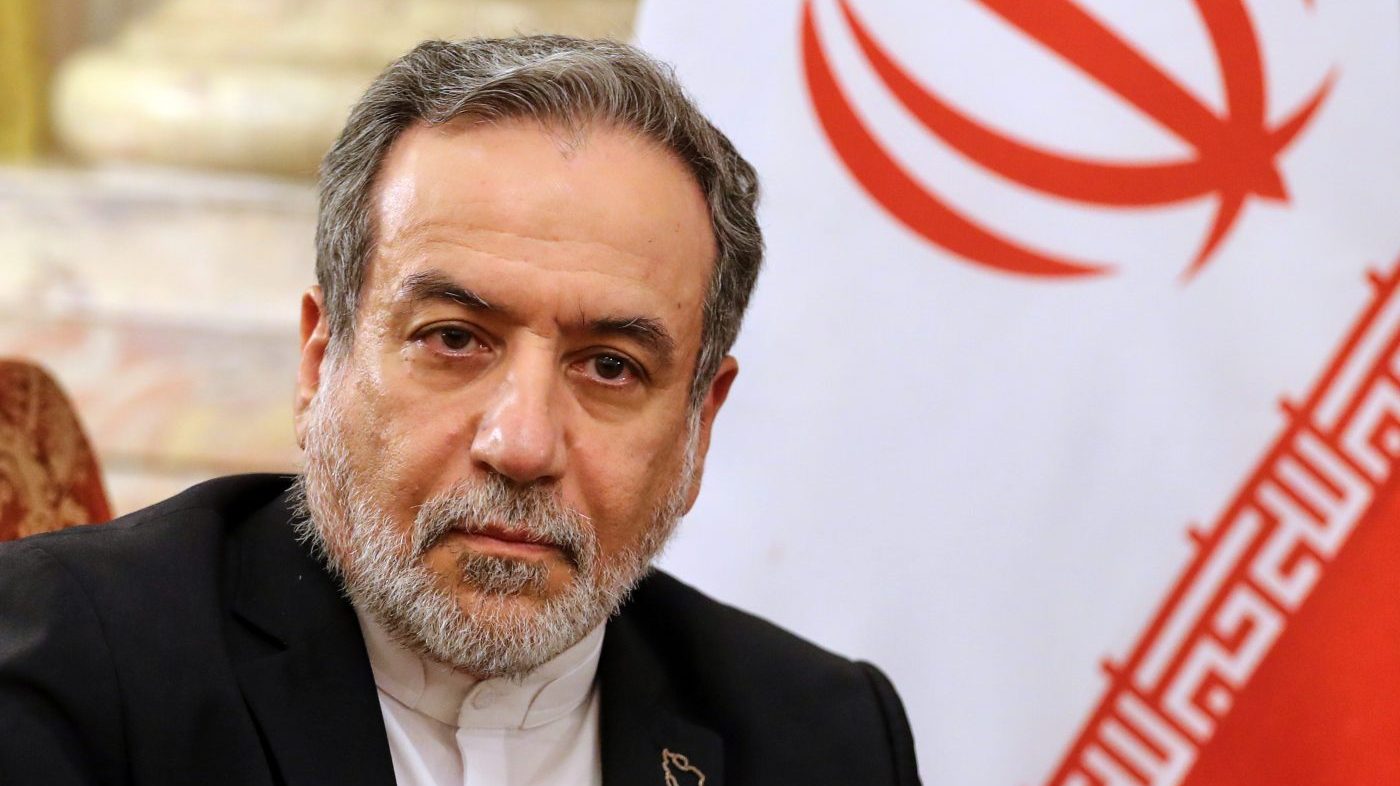
Iranian Foreign Minister Abbas Araghchi has declared that his nation will exact a "heavy price" in response to a series of Israeli military strikes that reportedly targeted key industrial and energy sites within Iran. The attacks, which Araghchi detailed on social media, allegedly struck two major steel factories, a power plant, and civilian nuclear facilities. The Iranian diplomat accused Israel of acting in coordination with the United States, a claim that adds a complex layer to ongoing diplomatic maneuvers between Washington and Tehran.
Strikes Defy Extended Diplomatic Deadline
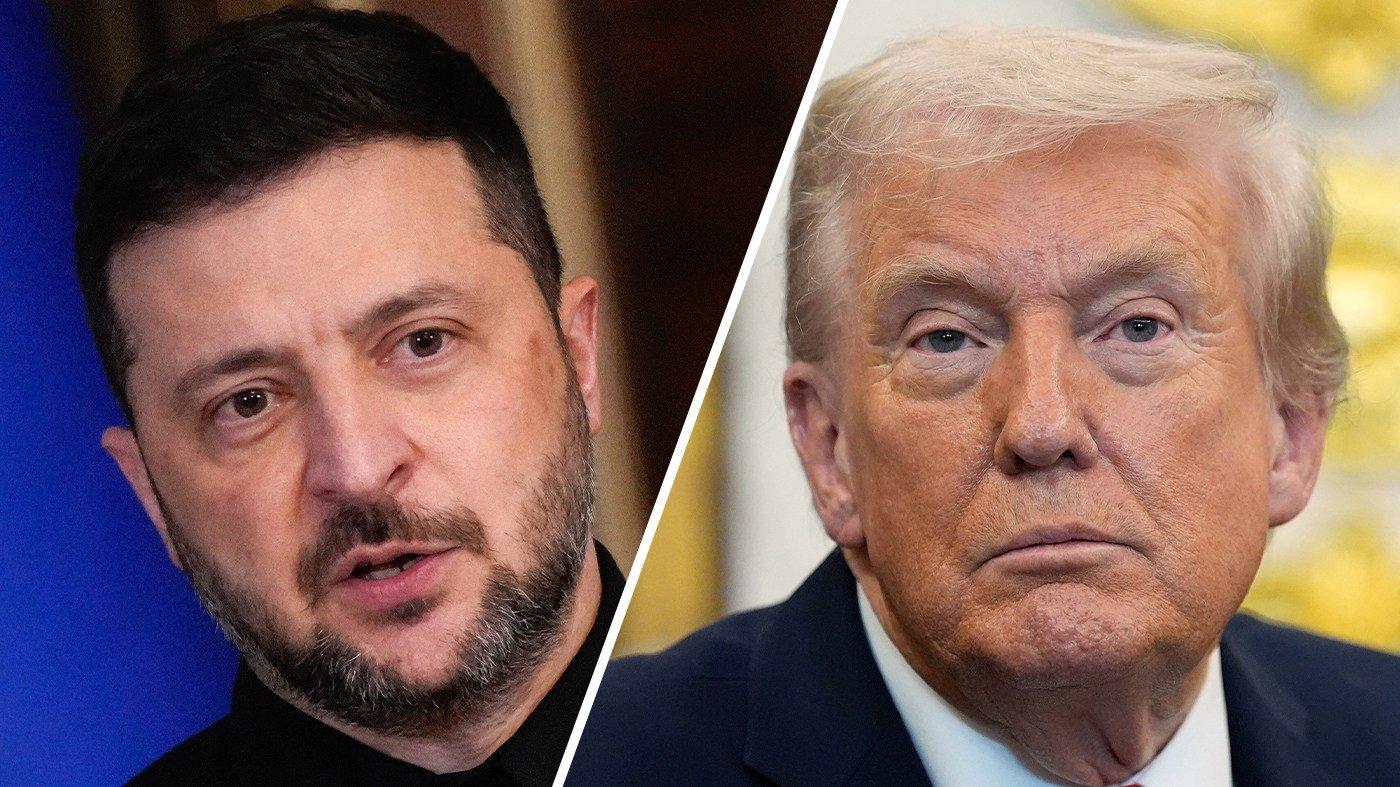
Araghchi framed the Israeli actions as a direct contradiction to a diplomatic pause extended by President Donald Trump. The president had announced a ten-day extension, pushing a deadline to avoid targeting Iranian energy infrastructure to early April 2026. "As per Iranian Government request, please let this statement serve to represent that I am pausing the period of Energy Plant destruction by 10 Days," Trump wrote on his Truth Social platform, adding that talks between the two nations were "going very well." This move by the administration represents a strategic pause amid volatile regional tensions and domestic economic pressures.
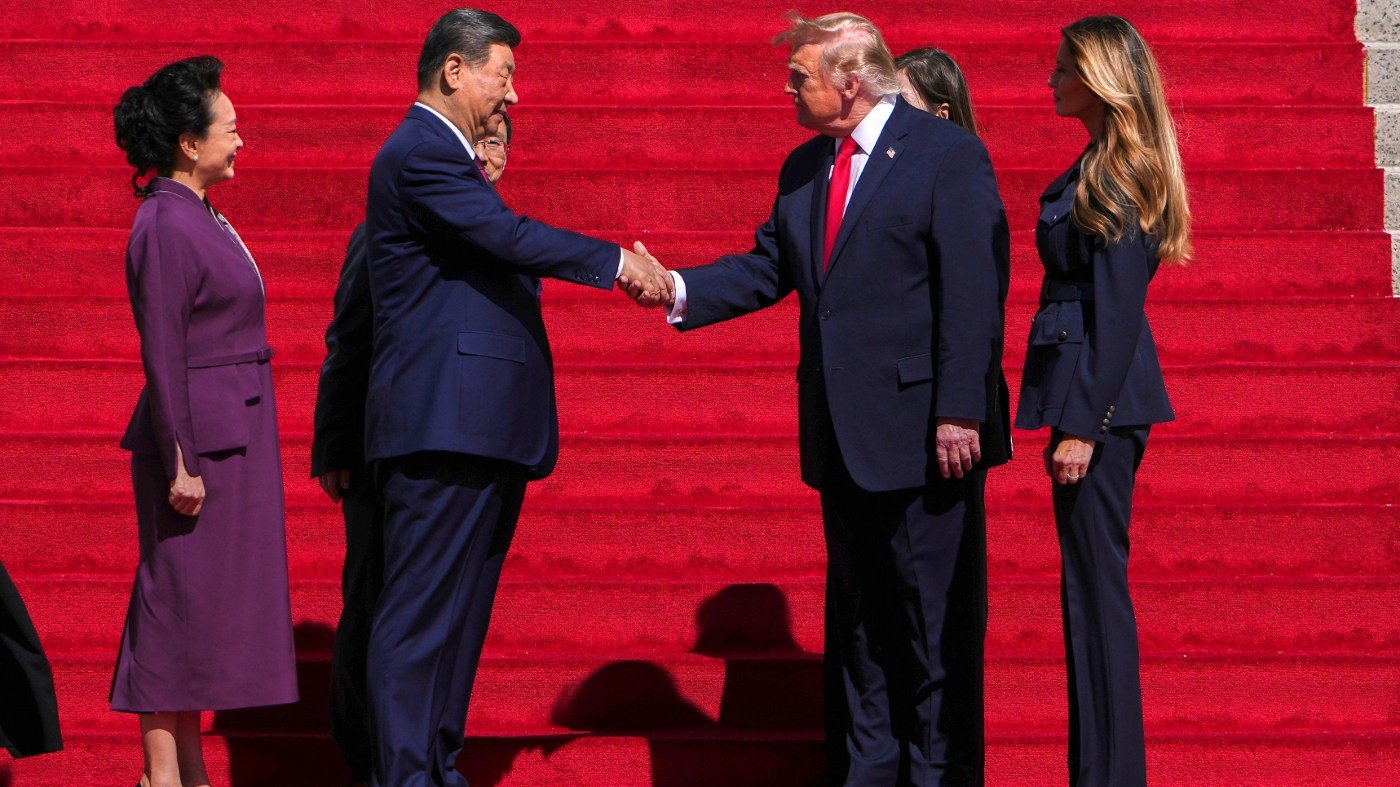
The backdrop to this escalation involves active, though fragile, negotiations. A senior Trump adviser, Steve Witkoff, confirmed the U.S. had delivered a 15-point action plan to Iranian officials through Pakistani intermediaries this week, describing the discussions as "strong and productive." Iranian officials reportedly responded with a set of counter-demands, indicating a fluid negotiation process even as military actions continued. The situation underscores the administration's dual-track approach of combining forceful posturing with backchannel diplomacy.
Economic and Energy Stakes Intensify
Concurrently, the Trump administration is grappling with significant economic headwinds, primarily soaring energy costs. The global price of Brent crude oil hovered above $113 per barrel, while the U.S. national average for a gallon of gasoline approached $4.00—a sharp increase from just a month prior. In a bid to alleviate pressure on American consumers, the president has taken several emergency measures. These include temporarily lifting sanctions on Russian, Venezuelan, and Iranian oil already in transit, boosting domestic production efforts, and tapping the nation's Strategic Petroleum Reserve.
In a notable confidence-building gesture amid the talks, Iran permitted ten oil tankers to transit the critical Strait of Hormuz, a waterway for one-fifth of the world's oil. This passage had been effectively blocked due to previous Iranian counterstrikes on U.S. regional assets. The move was characterized by Trump as a "present" to the United States, suggesting a temporary de-escalation in one flashpoint even as another ignited. The administration's broader economic strategy, including mandating historic ethanol blending levels to court rural voters, is being tested by this international crisis.
Regional Security and Broader Implications
The Israeli strikes, detailed by Araghchi, represent a significant escalation in the long-running shadow war between the two Middle Eastern powers. By targeting what Iran describes as civilian nuclear sites, the action directly challenges Tehran's strategic programs and signals a willingness to operate despite U.S.-declared pauses. This incident follows a pattern of Israeli military operations aimed at disrupting Iran's nuclear ambitions.
The unfolding crisis places the Trump administration in a precarious position, balancing a desire for a diplomatic breakthrough with Iran against the actions of a key ally and mounting domestic economic concerns. The pledge of Iranian retaliation ensures continued volatility in the region, with potential implications for global energy markets and security. As the extended diplomatic deadline approaches, the world watches to see if talks can yield a substantive agreement or if the cycle of strikes and counter-threats will intensify, further complicating the administration's foreign policy and economic objectives.