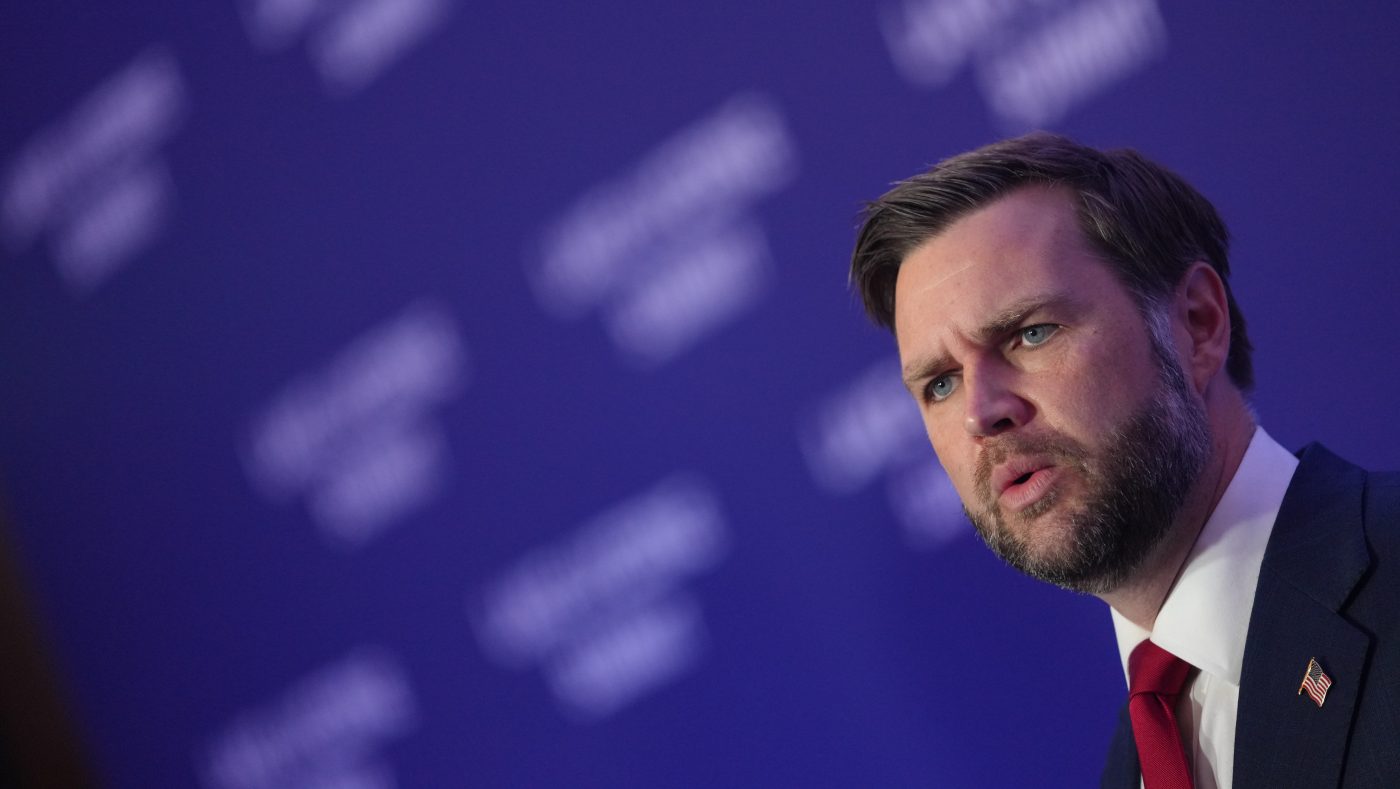
Vice President Vance struck an optimistic tone Monday morning, reporting substantial headway in nuclear talks with Iranian negotiators in Switzerland. Describing the first day of discussions as “a very, very good day,” Vance told reporters that “we made a lot of good progress. We did exactly what we wanted to do.” The administration has not disclosed how long Vance will remain in Europe or when the negotiations might conclude.
The talks, which resumed Sunday in Switzerland, come amid heightened tensions in the Middle East. Vance kicked off the negotiations as Hezbollah-Israel clashes escalated, adding urgency to the diplomatic push. The White House is cautiously optimistic that a framework for curbing Iran’s nuclear program can be reached, though significant hurdles remain.
Back in Washington, the Senate is on track to approve the 21st Century ROAD to Housing Act, a bill aimed at easing permitting regulations and restricting corporate purchases of single-family homes. The legislation has drawn bipartisan support but faces amendments from both sides of the aisle. Its passage would mark a rare moment of legislative productivity in a Congress increasingly defined by partisan gridlock.
President Trump’s relationship with key Senate Republicans continues to deteriorate. Repeated clashes over strategy ahead of the November midterms have left the party fractured, with some GOP lawmakers openly criticizing the White House’s approach. Representative Fine’s recent blast at Vance over Israel remarks underscores the deepening divide within the party.
Meanwhile, negotiations on renewing the Foreign Intelligence Surveillance Act remain at a standstill after the legislation expired last week. Intelligence officials warn that the lapse hampers counterterrorism efforts, but lawmakers are deadlocked over privacy protections and warrant requirements. The standoff is expected to dominate floor debate this week.
The “Great American State Fair” opens Thursday on the National Mall, but participation from blue states has been lukewarm. Organizers insist all 50 states will have some representation, but critics argue the event has taken on a partisan tone that undermines its original unifying purpose. The fair is set to feature state-specific exhibits, food, and cultural displays.
Internationally, British Prime Minister Keir Starmer announced his intention to resign, citing a revolt within his own Labour Party over his leadership. The development sends shockwaves through UK politics and could reshape the transatlantic alliance ahead of the U.S. midterms. Starmer’s departure is expected to trigger a leadership contest within the party.
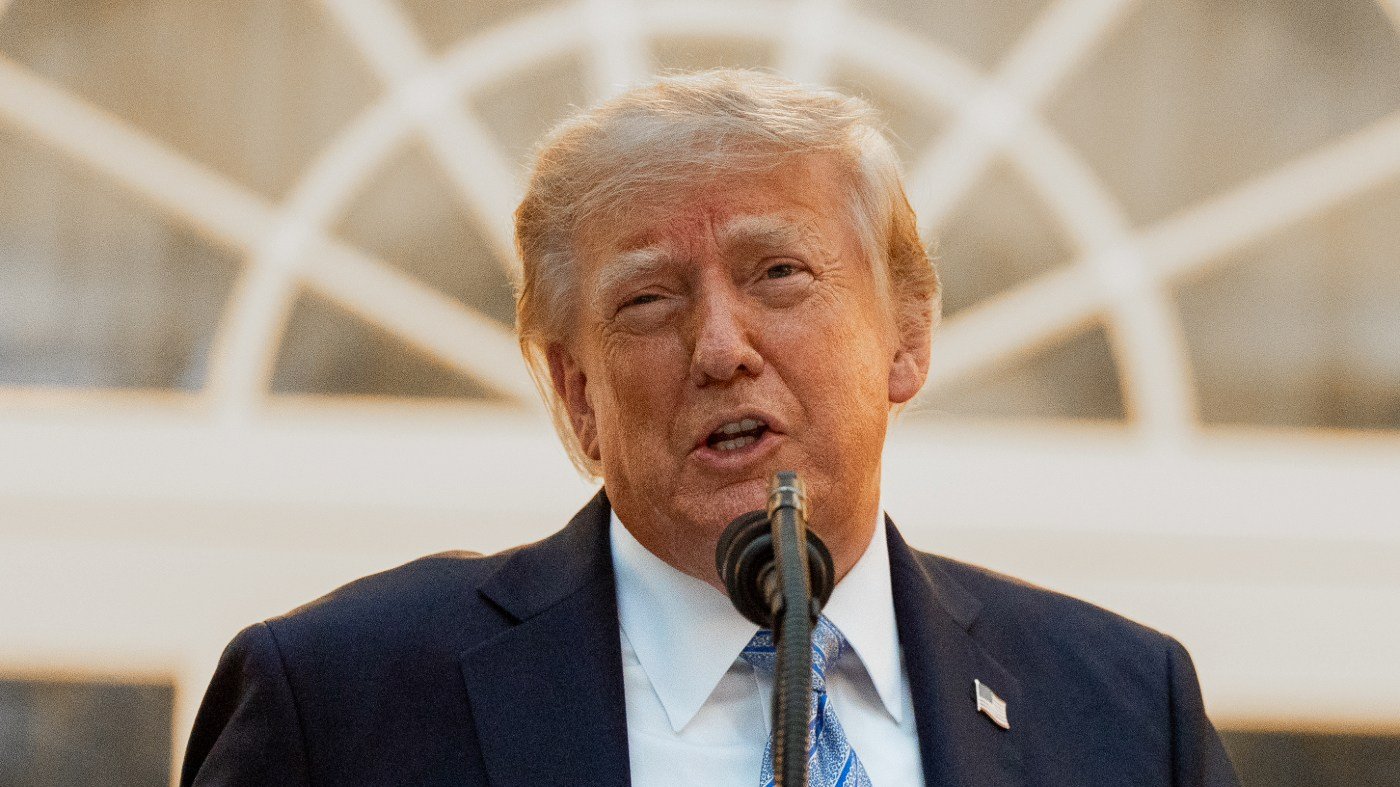
President Trump is scheduled to sign a series of executive orders Monday and hold policy meetings with senior advisors. The orders are expected to focus on energy independence and deregulation, though the White House has not released details. The president’s agenda remains ambitious, but legislative gridlock and intraparty strife threaten to slow momentum.
As the Iran talks continue, the administration faces a delicate balancing act: pressing for a deal while managing domestic political pressures and international crises. Trump’s warning to Iran over its Lebanon proxies signals that the White House is unwilling to separate nuclear negotiations from broader regional security concerns.