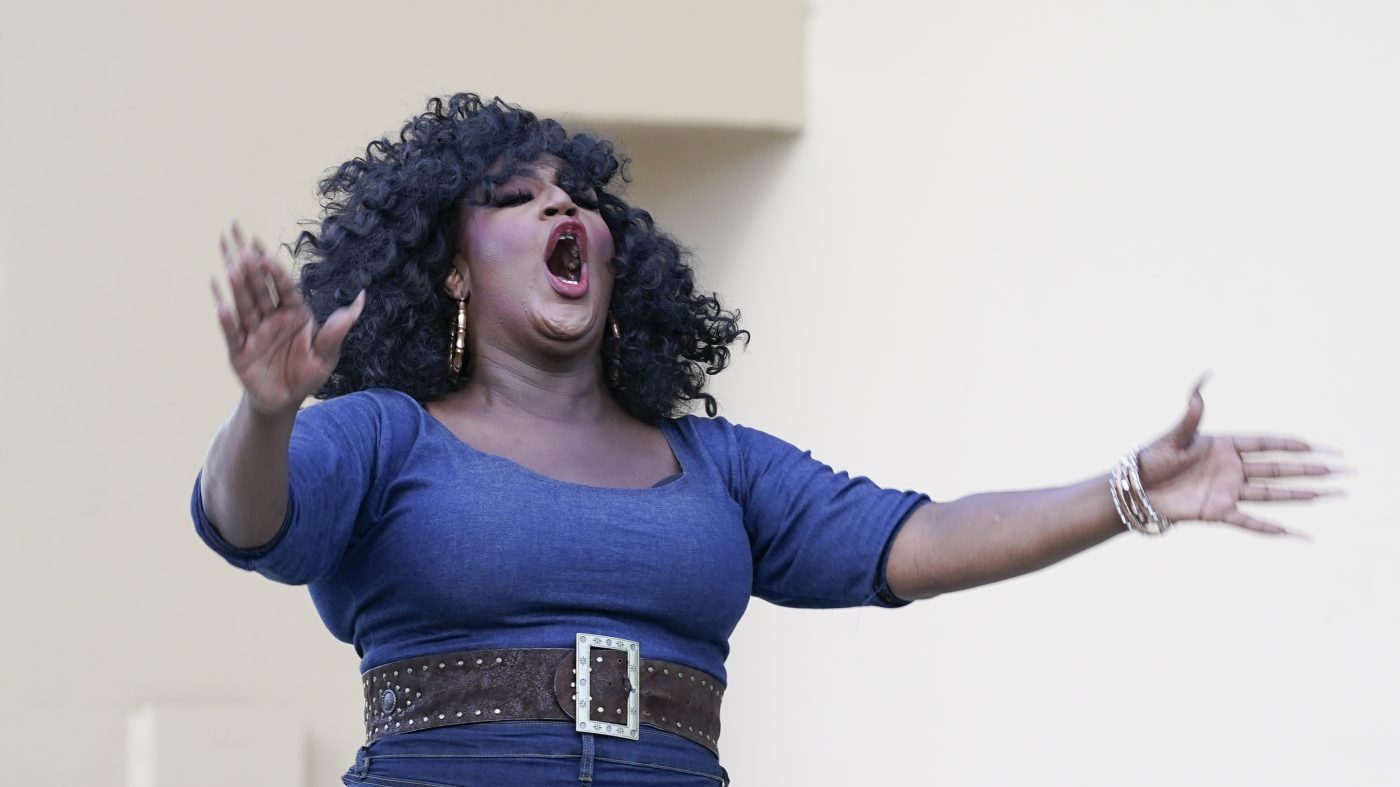
A sharply divided federal appeals court has cleared the way for Florida to enforce its 2023 law prohibiting minors from attending drag shows, overturning a lower court's injunction that had been granted on First Amendment grounds. The full U.S. Court of Appeals for the 11th Circuit, in an 8–5 ruling on Tuesday, concluded that the state is likely to prevail in the legal challenge, marking a major win for Gov. Ron DeSantis and his legislative push to restrict minors' access to adult-oriented performances.
The law, officially titled the "Protection of Children Act," imposes fines and criminal penalties on venues that admit children to drag shows and other live adult performances, even with parental consent. The measure was signed by DeSantis in 2023 as part of a broader effort to shield children from sexually explicit content.
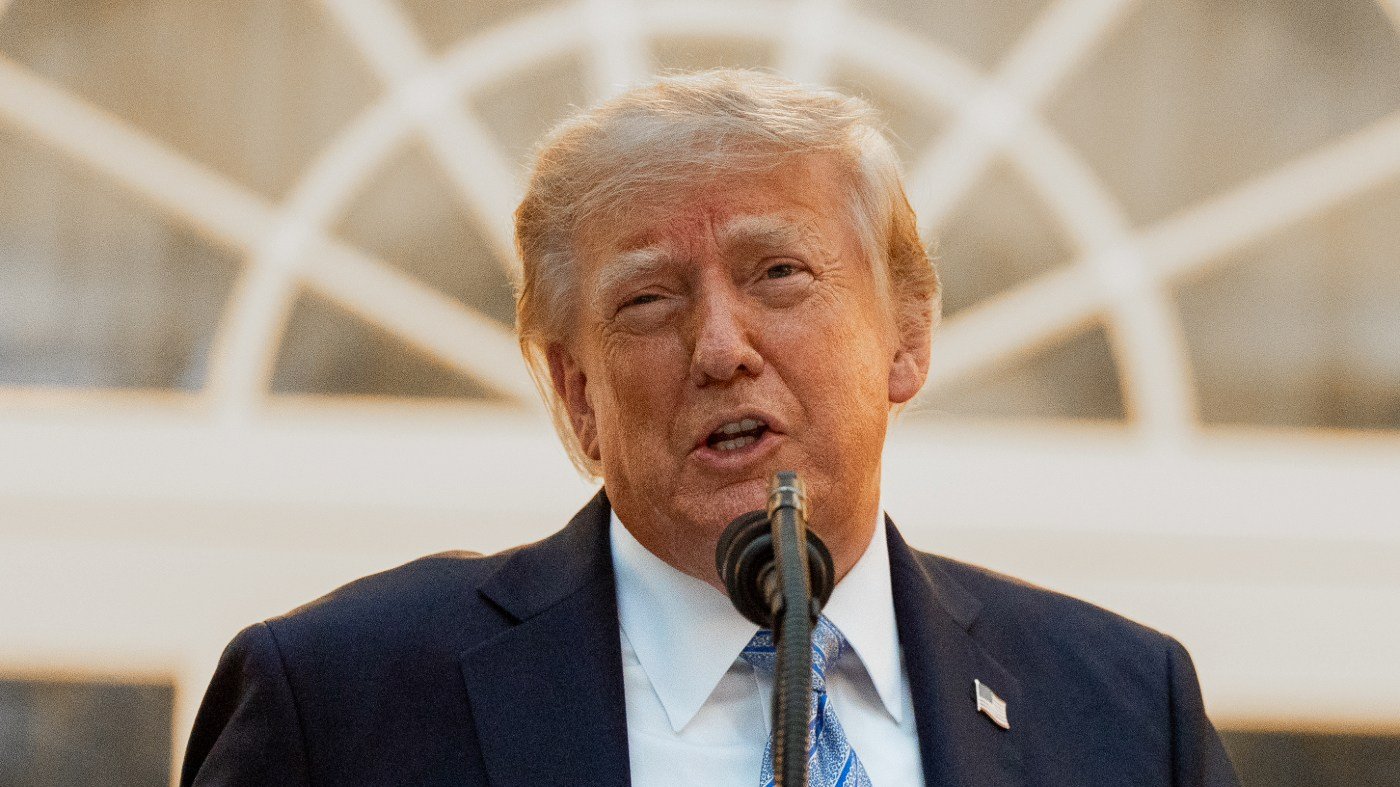
Writing for the majority, Judge Andrew Brasher, a Donald Trump appointee, framed the law as a straightforward regulation of obscenity. "Preventing children from attending adult live performances obscene for them is rationally related to Florida's interest in safeguarding the well-being of minors," Brasher wrote.
The ruling reverses a preliminary injunction issued by a federal district judge, which had been upheld by a three-judge panel of the 11th Circuit. The DeSantis administration appealed to the full appeals court after the U.S. Supreme Court declined to hear the case in a 6–3 decision, with conservative Justices Clarence Thomas, Samuel Alito, and Neil Gorsuch dissenting.
DeSantis celebrated the decision on social media, writing: "This shouldn't even be controversial, yet our law protecting kids required us to fend off lawsuits and win a case before a divided appellate court." The governor has used the law as a centerpiece of his cultural agenda, which has resonated with conservative voters and drawn criticism from civil liberties groups.
The legal challenge was brought by Hamburger Mary's, a restaurant chain known for hosting drag performances. Its Orlando location, which closed in 2024, regularly held drag brunches and other events marketed as family-friendly. The company argued that the statute was so vague and overbroad that it chilled constitutionally protected expression, forcing businesses to cancel events for fear of prosecution.
The lower court agreed and blocked enforcement, but the 11th Circuit's full bench said that ruling was flawed. The majority held that the law's language is sufficiently clear and that the state has a compelling interest in regulating obscene material for minors, even if the performances are not obscene for adults.
Legal experts say the decision could have broader implications, potentially emboldening other states to adopt similar measures. The ruling also aligns with a trend of appellate courts giving states more leeway in regulating content deemed harmful to children, particularly in the wake of recent Supreme Court decisions on free speech and parental rights.
The case is likely to be appealed to the Supreme Court, though the justices have already declined to intervene once. Meanwhile, the 11th Circuit's decision stands as a significant precedent in the ongoing national debate over drag performances, parental consent, and the limits of the First Amendment when it comes to minors.