The volatile oil markets following the U.S.-Israeli strike on Iran in early 2026 and Tehran's subsequent seizure of the Strait of Hormuz have reignited a familiar debate. Instead of fostering a consensus on the value of diverse energy sources, the crisis has hardened positions: fossil fuel advocates demand more drilling, while clean energy proponents push for an accelerated build-out of solar, wind, and battery storage.
But this is a false choice, argues Scott Tinker, a veteran energy scholar and host of PBS's "Energy Switch." In a new analysis, Tinker contends that the United States must pursue a comprehensive strategy that leverages all available technologies—not just the politically popular ones. He draws a parallel between the Strait of Hormuz and what he calls the "Strait of Beijing": China's dominant position in the global refining of critical minerals and its near-monopoly on the manufacturing of solar panels and lithium-ion batteries. If the U.S. seeks to replace shale oil and gas with renewables that depend on Chinese supply chains, it risks trading one form of energy dependency for another, far more strategic vulnerability.

The shale revolution, Tinker notes, was a triumph of American engineering. Horizontal drilling and hydraulic fracturing reversed decades of declining output, vaulted the U.S. to the top of global oil and gas producers, and provided a crucial economic lift during the 2009 recession. It also improved America's geopolitical standing and inadvertently helped reduce carbon emissions by displacing coal in power generation. But geology is a hard master: every shale basin matures, and production growth is already plateauing.
To stretch the shale era, Tinker calls for bipartisan policy reforms that prioritize innovation over ideology. He advocates for investment in advanced drilling techniques, digital optimization, and enhanced recovery methods. Equally important is permitting reform, which he says is essential across all energy sectors. Lengthy approval processes inflate costs, deter investment, and delay critical infrastructure—whether it's a pipeline or a transmission line.
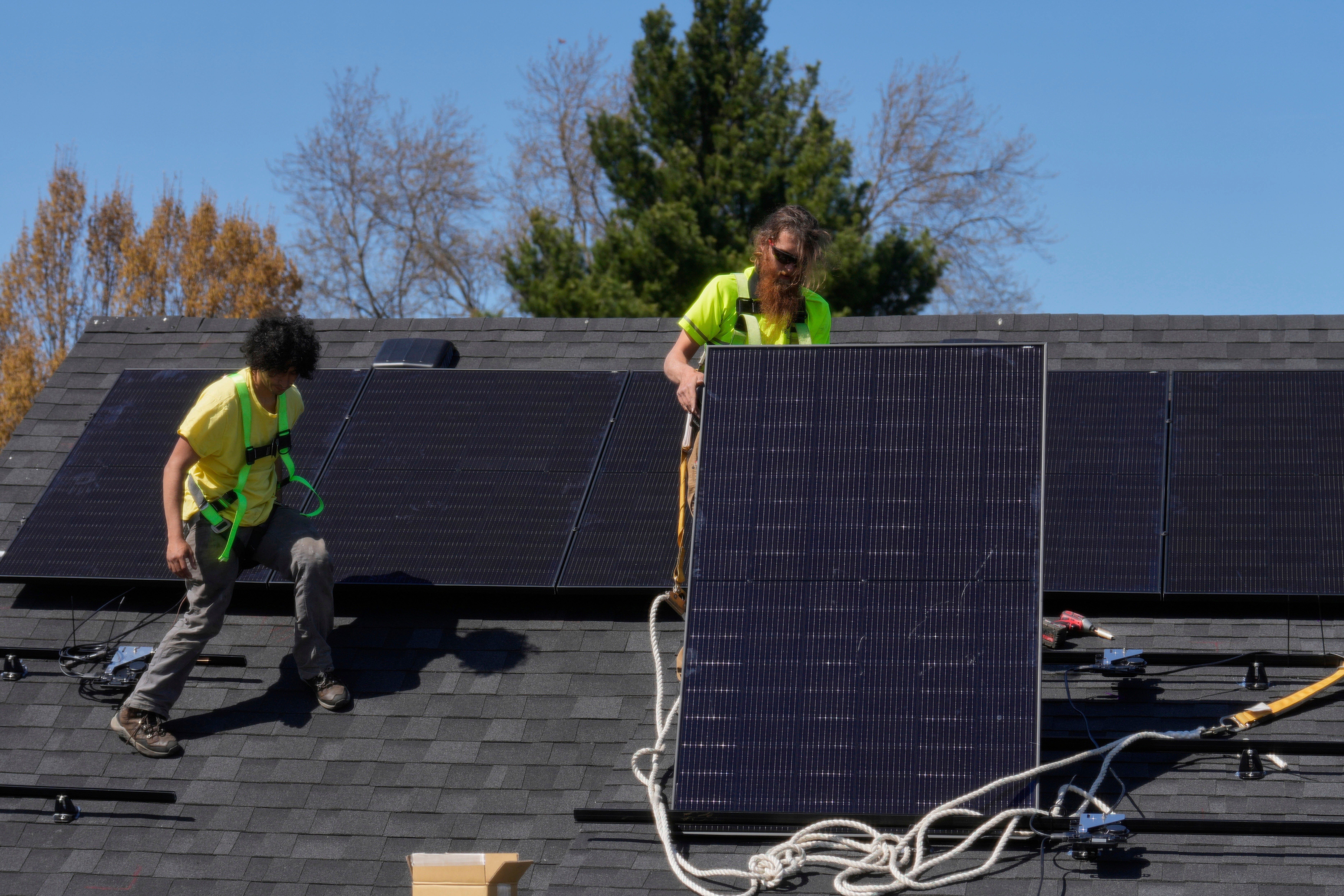
Looking beyond shale, Tinker warns against a wholesale transition to intermittent renewables without adequate backup. Solar and wind require vast land areas, and the storage needed to ensure reliability adds complexity and expense. More critically, they depend on rare earth elements and critical metals that are predominantly processed in China. This is a geopolitical risk that Washington cannot afford to ignore, especially as Europe deepens its reliance on batteries for grid stability and electric vehicles.
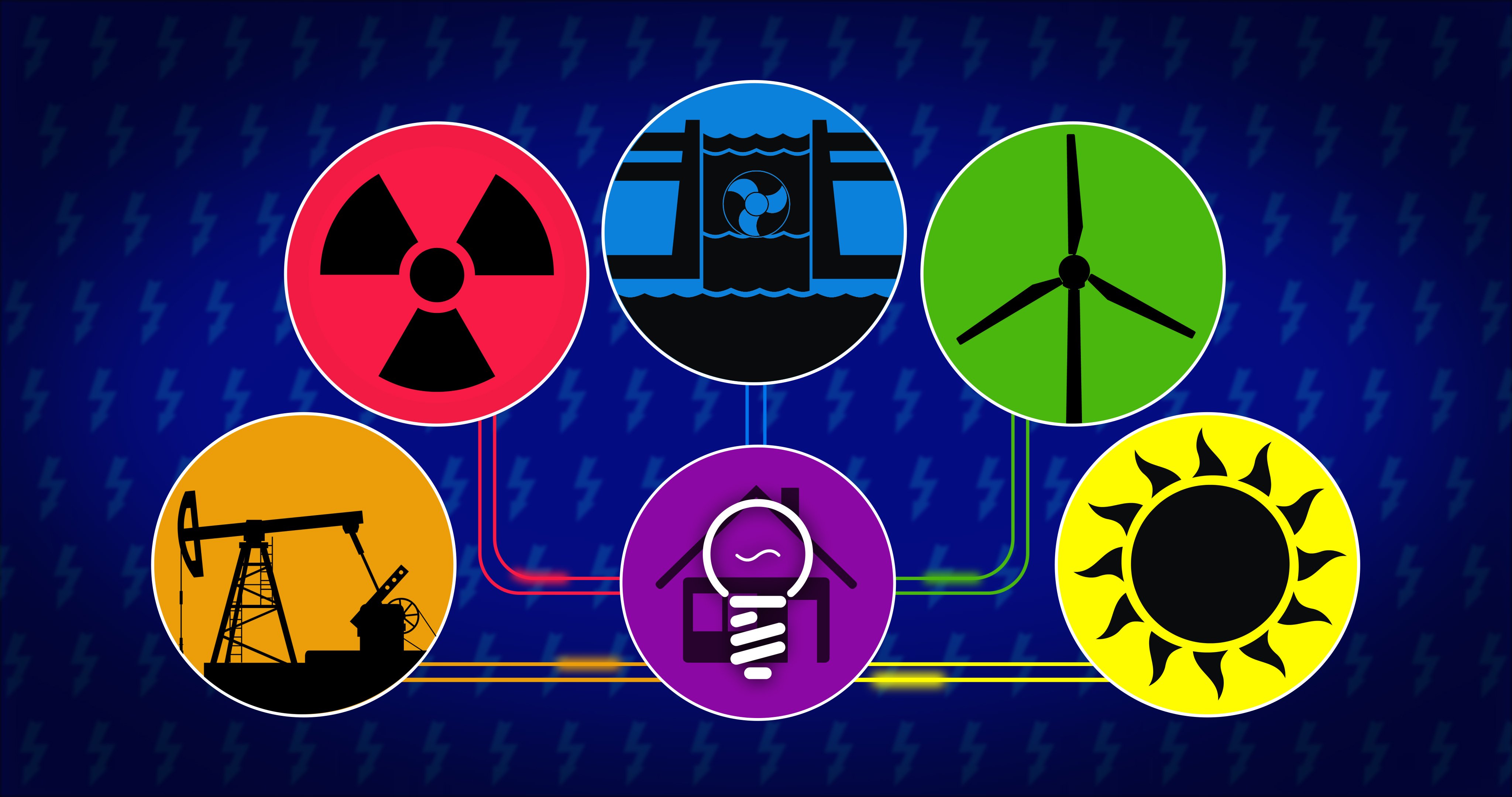
The backbone of the global energy system, Tinker insists, must remain affordable, reliable, and secure. Natural gas, which currently supplies about 20% of global end-use energy, is uniquely positioned to provide flexible, lower-emission electricity while supporting industrial growth. Advanced nuclear offers carbon-free, around-the-clock power with a tiny land footprint, and next-generation geothermal is emerging as a promising baseload option. These technologies are not competitors to solar and wind—they are teammates in a diversified portfolio.
The United States must rebuild its domestic mining, mineral processing, and advanced manufacturing capabilities to reduce reliance on geopolitical rivals. This is not a matter of picking winners but of ensuring that America can compete across the entire energy system. Tinker warns that if China controls the materials and manufacturing behind tomorrow's technologies, the U.S. risks surrendering the security advantage that innovation has secured.
A China-dominated energy future is not inevitable, but avoiding it requires a bipartisan recognition of physical and economic realities. It demands the same combination of innovation, science, engineering, investment, and pragmatic policy that made the shale revolution possible. As Tinker puts it, "Shale bought America valuable time. Let's use it wisely."