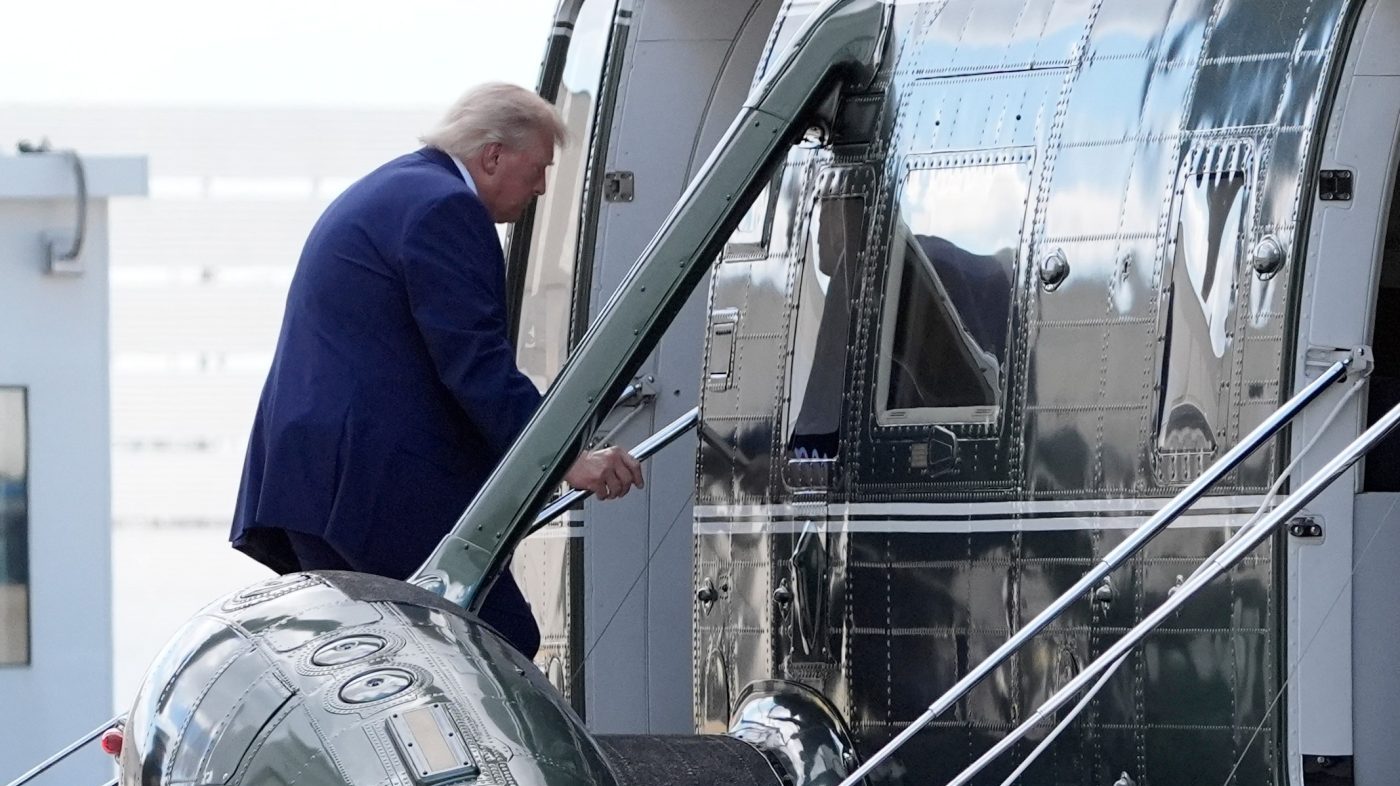
President Donald Trump issued a blunt ultimatum to Tehran on Sunday, demanding it halt operations by its allied militias in Lebanon or face renewed U.S. strikes. The warning came just as Vice President JD Vance arrived in Switzerland to kick off nuclear negotiations, a sign of how the administration is juggling diplomacy with military threats.
“Iran must immediately stop their highly paid PROXIES in Lebanon from causing trouble,” Trump wrote on Truth Social. “If they don’t, we’ll hit Iran very hard again, just like we did last week, only harder!!!” The comment followed a fresh round of clashes between Israel and Hezbollah that has strained a fragile U.S.-Iran memorandum of understanding.

The renewed violence in Lebanon delayed Sunday’s talks in Lucerne, which had originally been scheduled for Friday. The ceasefire there has become a central sticking point in broader negotiations, with Iranian officials insisting on its enforcement as a precondition for progress on the nuclear file.
Vance, joined by special envoy Steve Witkoff and presidential son-in-law Jared Kushner, met with Pakistani Prime Minister Shehbaz Sharif and Army Chief Field Marshal Asim Munir outside Lucerne on Sunday. Pakistan has served as a key mediator in the Middle East conflict, and its involvement underscores the regional stakes of the talks.
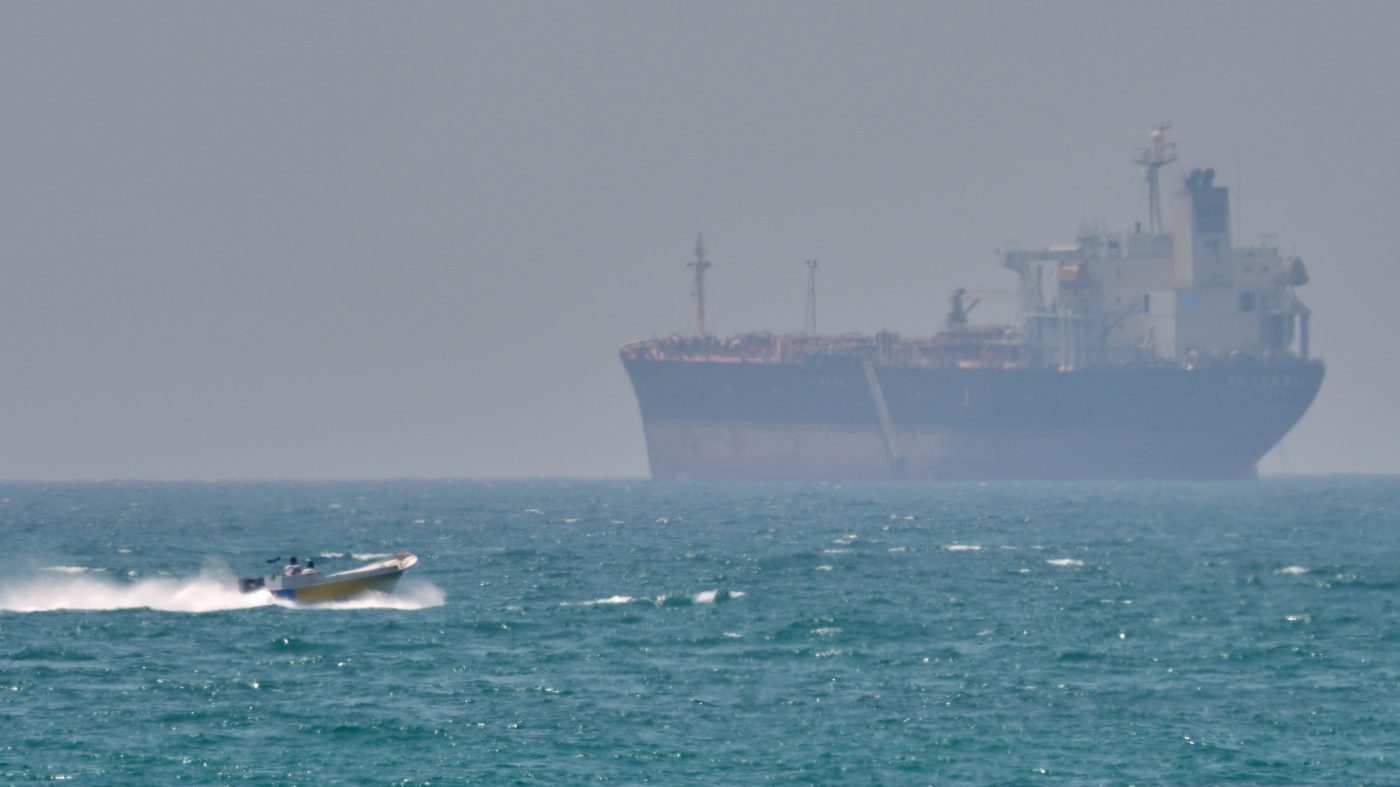
On Saturday, Iranian authorities threatened to close the Strait of Hormuz, accusing Israel of violating the Lebanon ceasefire. The strait is a critical chokepoint for global oil shipments, and its closure would have immediate economic consequences. The MOU signed last week reopened the waterway, which handles roughly a quarter of the world’s oil, and gave Washington and Tehran 60 days to negotiate Iran’s nuclear program. In exchange, the U.S. waived sanctions on Iranian crude oil, petroleum products, and related services.
Trump, however, has already signaled a hard line if no deal emerges. In a Fox News interview Sunday, he said, “We may take over the Strait, if we have to. I’ll blow the s--- out of them.” He added, “If they don’t make a deal, we’ll collect tolls.” The president’s threat of imposing tolls on the strait echoes his earlier warnings and reflects the high-stakes brinkmanship surrounding the negotiations.
Even with the nuclear talks at center stage, Lebanon remains a top concern for European officials. Vance told reporters Sunday, “We’re all working towards regional peace. There, of course, are going to be sometimes disagreements about precisely how to get there, but I actually feel pretty great about where we are in Lebanon.” He acknowledged, “There’s still some additional wood to chop, but we’re going to keep on working at it.”
The administration’s dual approach—combining military threats with diplomatic engagement—mirrors its broader strategy in the region. For more on the nuclear talks and the Lebanon ceasefire, see Vance Kicks Off Iran Nuclear Talks in Switzerland Amid Hezbollah-Israel Escalation. Meanwhile, the potential closure of the Strait of Hormuz has already drawn global attention; read Iran Shuts Strait of Hormuz, Blaming Israel for Violating Lebanon Ceasefire for the latest developments.
The coming weeks will test whether the administration can maintain pressure on Iran while keeping the nuclear talks on track. As Vance put it, the path to peace is still being paved, but the stakes could not be higher.