Iran's top military command announced Saturday morning that it is shutting down the Strait of Hormuz, the world's most critical oil shipping route, accusing Israel of violating a ceasefire agreement brokered between Washington and Tehran.
The Khatam al-Anbiya Central Headquarters, Iran's elite joint military command, said in a statement carried by state broadcaster IRIB that the closure is a direct response to Israeli airstrikes on Hezbollah positions in southern Lebanon. Those strikes, Tehran argues, broke the terms of a memorandum of understanding between the United States and Iran that had halted hostilities.

“In view of the United States’ bad faith and its clear breach of its commitments by failing to implement the first article of the memorandum ending the war, and in response to the continuous and ongoing violation of the ceasefire by the Zionist regime in southern Lebanon… It hereby announces that the Strait of Hormuz will be closed to the passage of vessels,” the military command declared.
The move dramatically escalates tensions in a region already on edge after weeks of cross-border fire between Israel and the Iran-backed Lebanese militia Hezbollah. The ceasefire, which took effect hours before the Israeli strikes, had been seen as a fragile diplomatic achievement for the Trump administration, which has been pressing for a broader nuclear deal with Iran.
The Strait of Hormuz, a narrow waterway between Iran and Oman, handles roughly 20% of the world's oil supply. Any prolonged closure threatens to send global energy prices soaring and could trigger a major economic crisis, particularly for Asian economies heavily dependent on Gulf crude.
Critics of the Trump administration's Iran policy have long warned that the memorandum signed earlier this year was flawed. The deal, which set a 60-day clock for negotiations on nuclear, missile, and Lebanon issues, gave Iran a pathway to restart oil exports but left enforcement mechanisms weak. The Trump-Iran MOU started a 60-day clock on nuclear, missile, and Lebanon issues, but the latest violence suggests those talks are already in jeopardy.
Israeli officials have not commented directly on the Hormuz closure, but the country's far-right national security minister, Itamar Ben-Gvir, earlier called for Lebanon to “burn” as the ceasefire unraveled. Ben-Gvir called for Lebanon to 'burn' as the ceasefire unraveled, reflecting hardline sentiment in Jerusalem that the deal with Hezbollah was a mistake.
The White House has not yet responded to a request for comment on the Iranian announcement. However, the closure is likely to reignite a bitter domestic debate in Washington. Senate Majority Leader Chuck Schumer previously slammed the Trump administration's approach, calling the Iran Strait deal “the art of the surrender.” Schumer slammed Trump's Iran Strait deal as 'Art of the Surrender', arguing it gave Tehran leverage without securing concrete concessions.
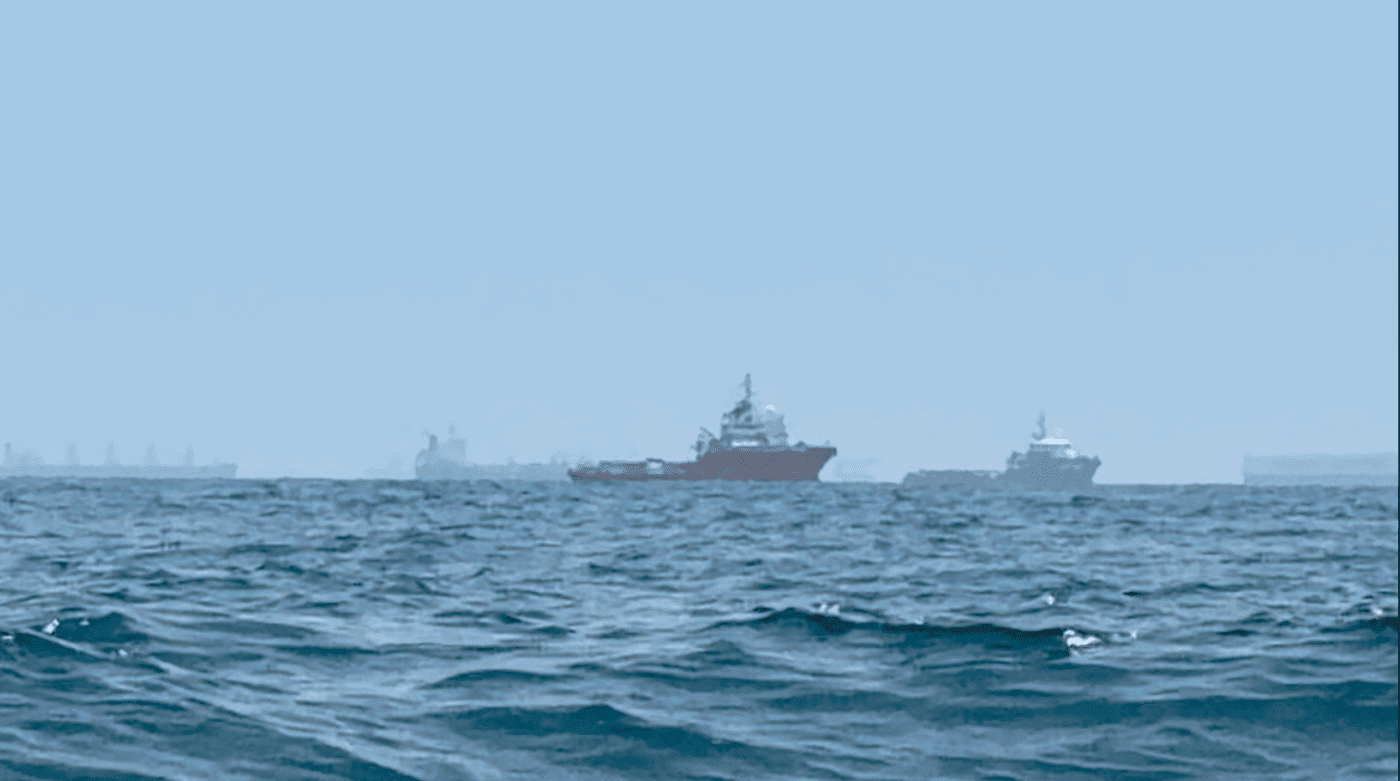
The Strait of Hormuz had reopened earlier this year under the Trump-Iran deal, but tensions have lingered. The Strait of Hormuz reopened under the Trump-Iran deal, but tensions linger on the water, and this latest closure threatens to undo any diplomatic progress.
This is a developing story. The World Signal will continue to monitor the situation as more details emerge.