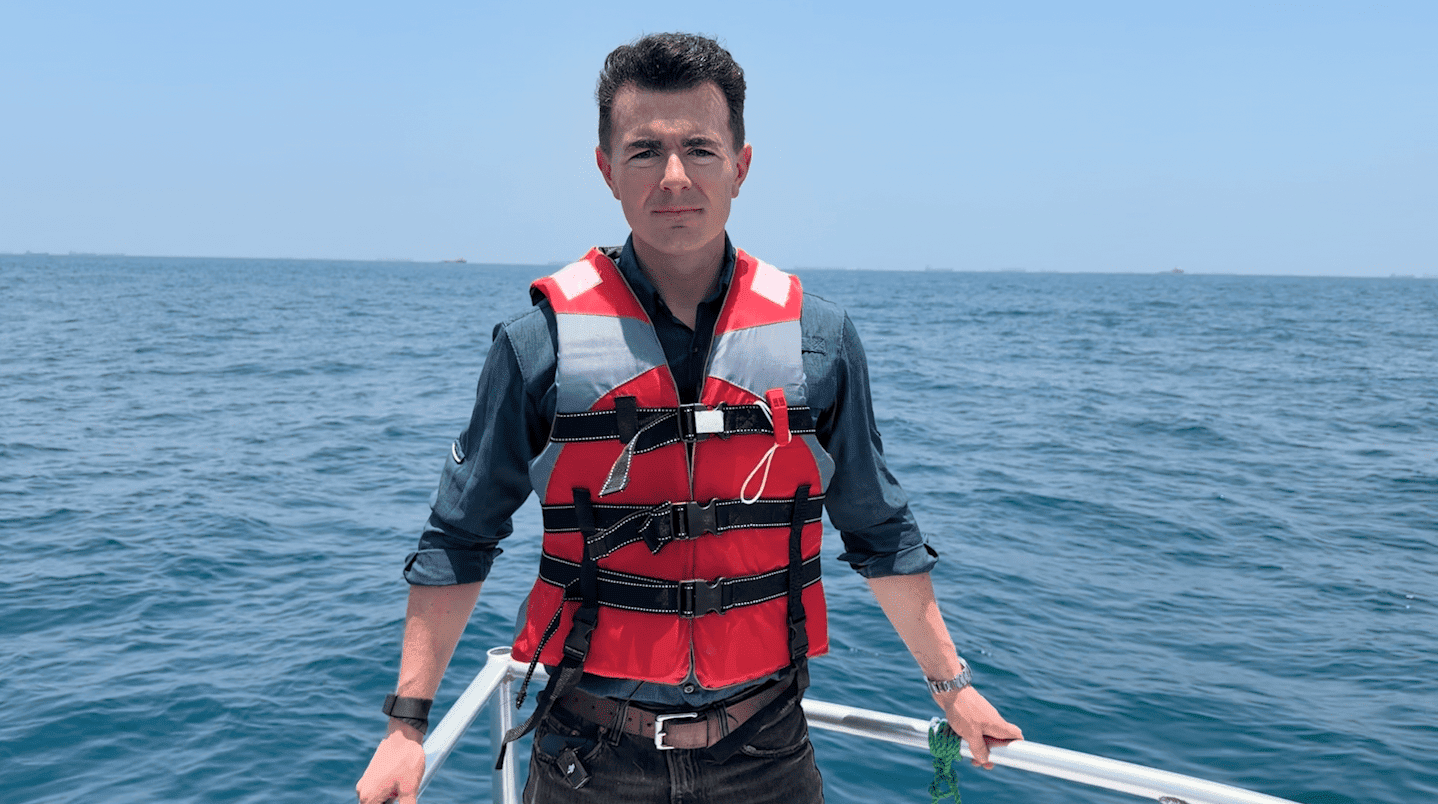
ABOARD A FISHING BOAT IN THE STRAIT OF HORMUZ — This narrow 21-mile corridor, a chokepoint for 20% of the world's oil trade, has been a battlefield and a lever of power since the U.S.-Israel operation against Iran began on Feb. 28. Now, with a peace deal signed in France, the strait is officially open again. But out on the water, the mood is far from celebratory.
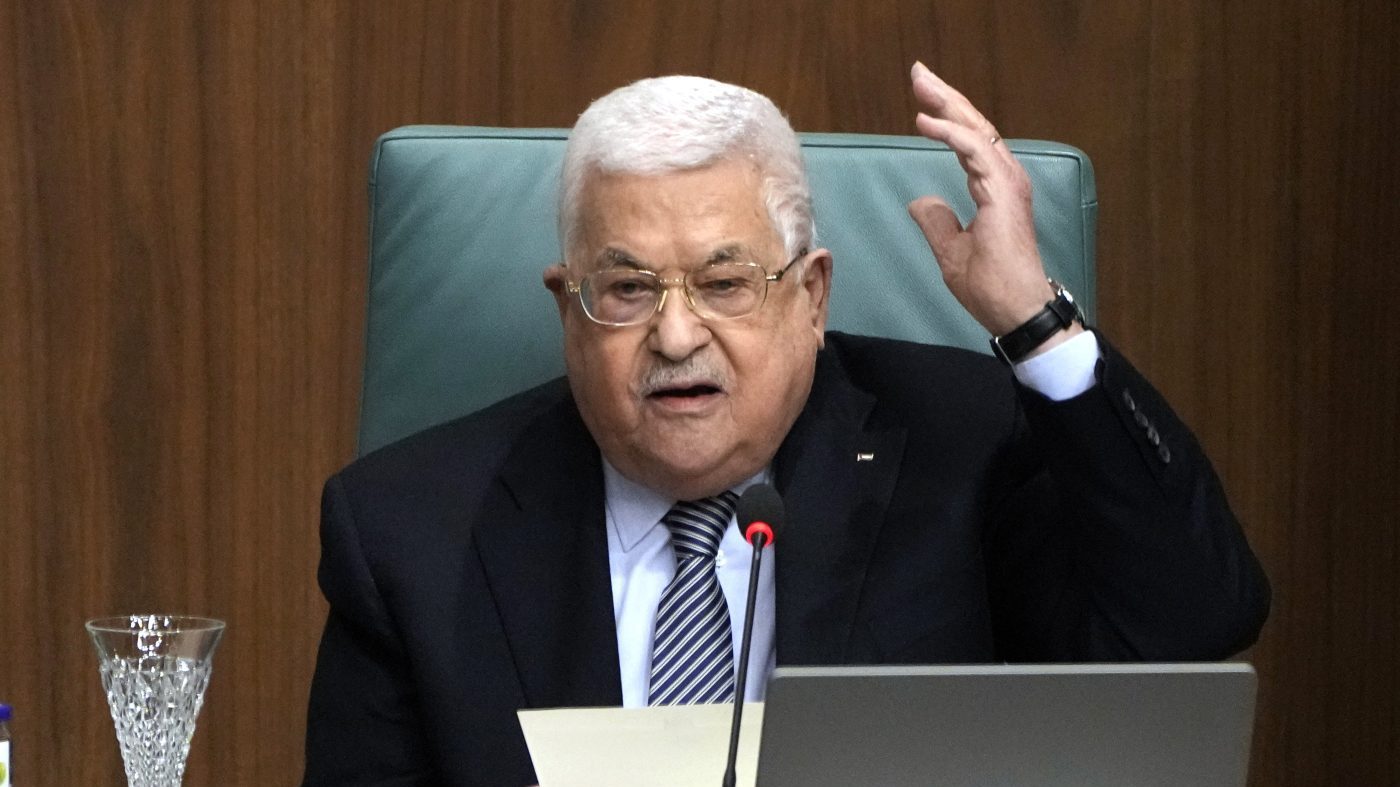
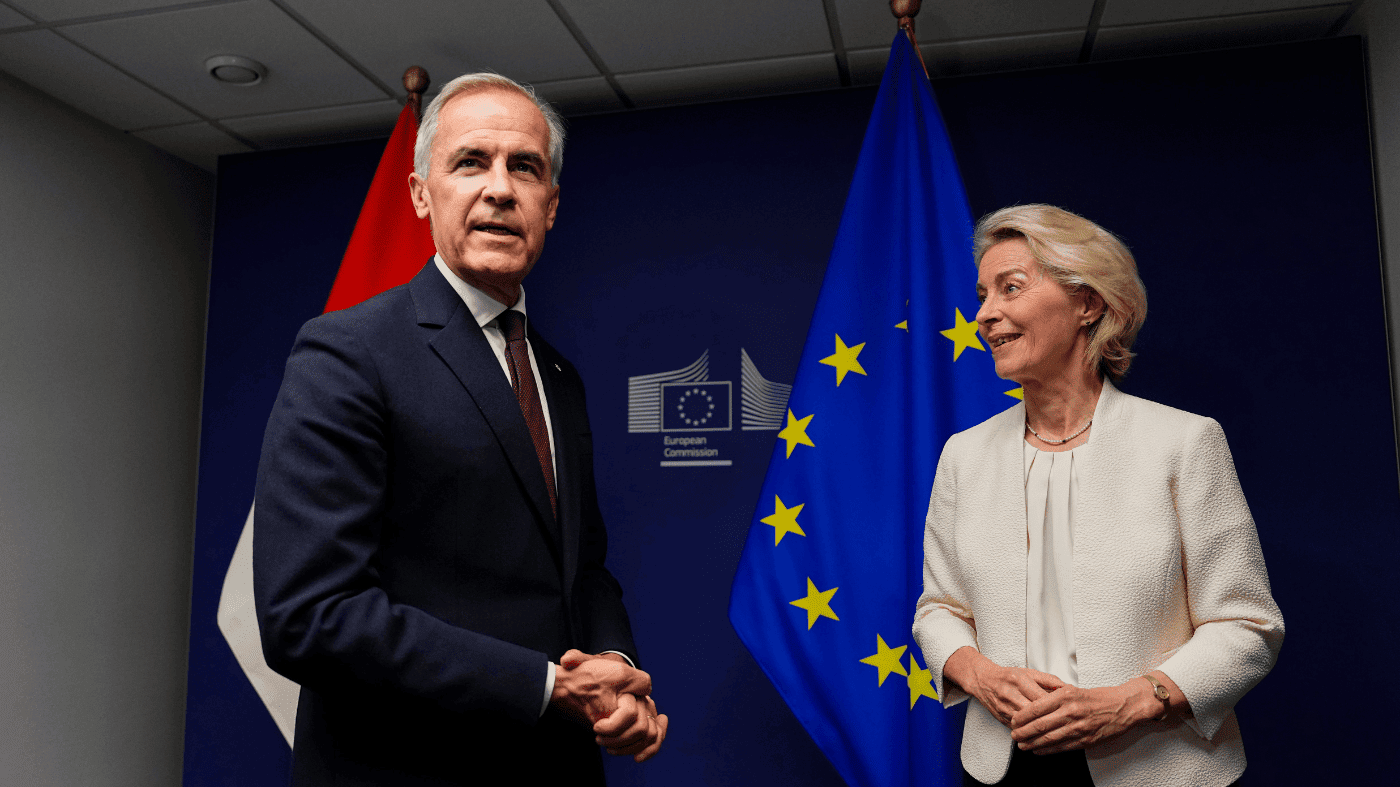
President Trump declared the strait fully open after signing a memorandum of understanding with Iran at Versailles. The White House touts the deal as a diplomatic victory, but critics on both sides of the aisle have slammed it. Senate Minority Leader Chuck Schumer called it 'the art of the surrender,' while GOP senators blast it as a 'JCPOA-Plus blunder.' The deal allows Iran to keep ballistic missiles, a point Trump defended, but which many hawks see as a dangerous concession.

On the water, the reality is more complicated. Our team — with eight phones and a Starlink dish — lost all signal within minutes of leaving the harbor. In the open sea, we saw a traffic jam of global commerce: more than 500 ships, from supertankers to LNG carriers, waiting on either side of the strait. The International Energy Agency has called this the biggest energy crisis in history. Watching that frozen fleet, that doesn't feel like hyperbole.
The locals want this to end. Bustling summer beach towns have turned ghostly quiet. Resorts are empty. Air defenses and radar installations line the coast. Our captain was reluctant to take the job and made clear he didn't want to stay long or get too close. Everyone is uptight; you feel it the moment you arrive.
Despite the deal, many ships are still holding. They're not yet convinced the guns are quiet, the mines are gone, or the all-clear is genuine. The White House says this is expected as de-mining operations get underway. An estimated 25 ships passed through on June 18 — the best in months but well below the 120 per day before Feb. 27. Clearing the backlog will take weeks, assuming the 60-day ceasefire holds. But sweeping Iranian mines could delay reopening for months.
Gas prices have dipped below $4 as the deal eases tensions, but hurricane risk looms. Trump warned of oil reserve depletion in weeks without a deal, and the agreement includes a $300 billion fund that critics say undermines his gains. Netanyahu's removal is seen by some as key to lasting peace, but the region remains fragile.
Standing out here, the numbers are almost too large to process, but the visual makes it immediate. This is a waterway that has seen some of the tensest exchanges of fire and heated global debates. The deal is a step, but the strait's fate is still being written.