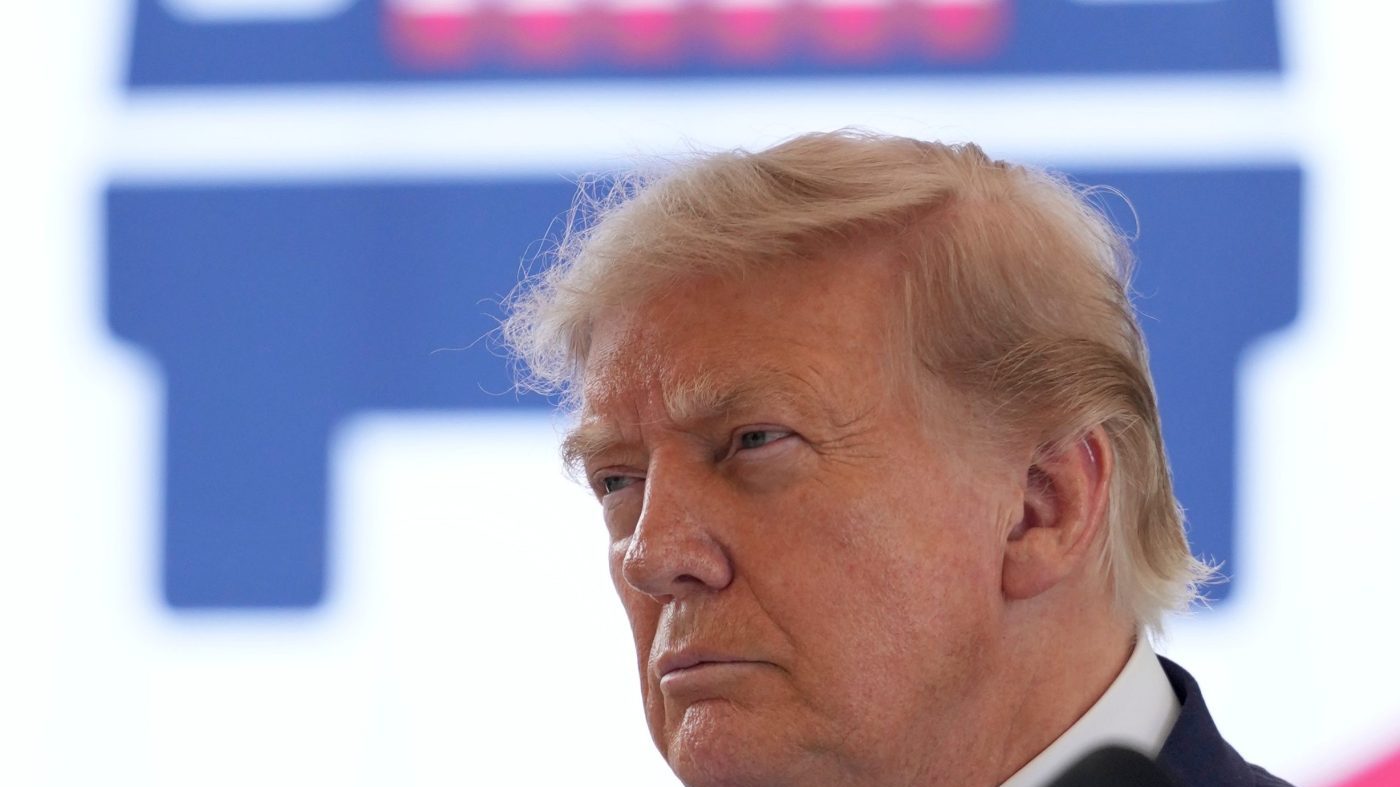
Morocco has officially renamed a major highway after former President Donald Trump, a move that underscores the diplomatic bond forged during his tenure and highlights the ongoing dispute over the Western Sahara territory. The 1,055-kilometer road, now known as the "Donald J. Trump Highway," connects the southern city of Tiznit to Dakhla, a key economic hub in the region that Morocco claims as its own.
In a letter dated July 2, King Mohammed VI of Morocco expressed his gratitude to Trump, noting that bilateral relations have never been as "vibrant" or "fruitful" as they were during Trump's presidency. The king said the naming was a personal gesture of appreciation for Trump's recognition of Moroccan sovereignty over Western Sahara, a decision that broke with decades of U.S. policy and aligned with Rabat's territorial claims.
Trump responded on Truth Social, thanking the king and saying he looked forward to traveling the highway's full length "someday, hopefully soon." The exchange highlights the enduring personal rapport between the two leaders, even as Trump remains a polarizing figure in international politics.
The highway is not just a symbolic gesture; it serves as a vital trade corridor linking Morocco to other African nations, enhancing economic integration. However, the route passes through territory that the indigenous Sahrawi people and their political arm, the Polisario Front, claim as the Sahrawi Arab Democratic Republic (SADR). The SADR is recognized by 47 UN member states, but neither the United States nor the European Union recognizes it.
The dispute over Western Sahara dates back to the end of Spanish colonial rule in the 1970s, with Morocco asserting historical claims and the Polisario Front seeking independence. The United Nations continues to classify the territory as non-self-governing and has called for a resolution, but decades of negotiations have failed to produce a breakthrough.
Trump's recognition of Moroccan sovereignty in 2020 was part of a broader diplomatic deal: in exchange, Morocco agreed to normalize relations with Israel, joining the Abraham Accords. That move was widely seen as a triumph for Trump's foreign policy team, but it also drew criticism from human rights groups and international observers who argued it undermined the Sahrawi people's right to self-determination.
While the highway naming is a symbolic honor, it carries political weight. It signals Morocco's confidence in its claim over Western Sahara and its willingness to align with allies who support that position. For Trump, the gesture adds to his legacy of unconventional diplomatic moves, even as he faces legal challenges at home, including a recent lawsuit over welfare data sharing with ICE.
The king's letter also touched on the broader state of U.S.-Morocco ties, which have expanded in recent years beyond security cooperation to include trade and investment. The highway is expected to boost economic activity in the region, potentially attracting foreign investment and improving logistics for businesses operating in southern Morocco.
Observers note that the naming may also serve as a subtle message to the Biden administration, which has not reversed Trump's decision but has been less vocal in supporting Morocco's position. By honoring Trump, Morocco is signaling its preference for the previous administration's policy and its hope that future U.S. leaders will maintain a similar stance.
As the dispute over Western Sahara continues, the highway named after Trump stands as a tangible reminder of the geopolitical realignments that occurred during his presidency. Whether it will help resolve the conflict or deepen divisions remains to be seen, but it has certainly added a new layer to the complex relationship between the United States, Morocco, and the Sahrawi people.