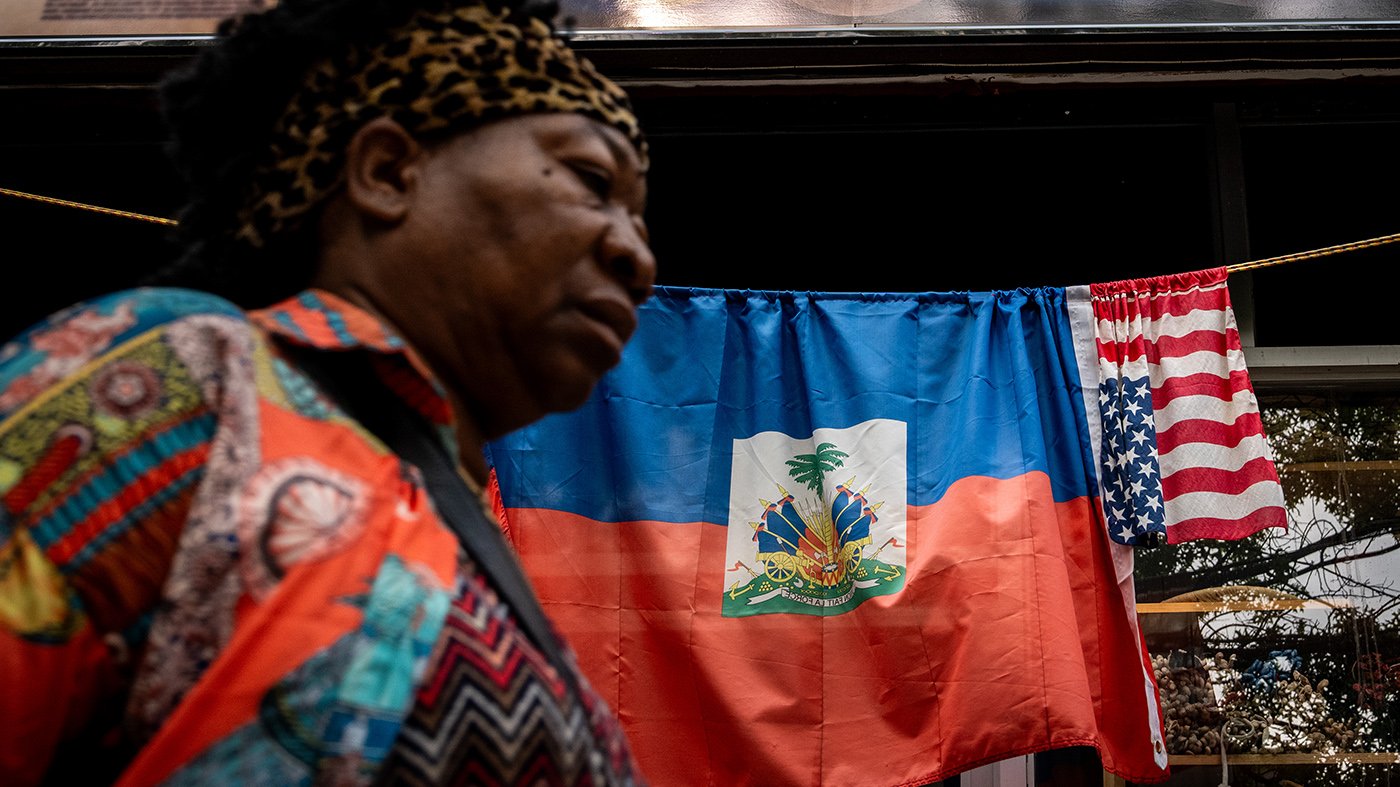
The Trump administration's plan to deport more than 300,000 Haitians following the Supreme Court's decision to end their Temporary Protected Status (TPS) has exposed a sharp divide within the Republican Party. Some GOP figures are openly celebrating the impending removals, while others are pleading for a more compassionate approach, highlighting the political and human stakes of the policy shift.
The high court's June ruling terminated TPS for both Haitians and Syrians, determining that courts lack the authority to review the Department of Homeland Security's (DHS) decision to end the program. That decision takes effect this week, leaving more than 330,000 Haitian TPS holders facing an uncertain future, with many now at risk of deportation to a country plagued by gang violence and political instability.
Celebratory reactions from some Republicans have been swift and blunt. Rep. Lauren Boebert (R-Colo.) marked the ruling's effective date with a sarcastic post on social media, writing, "Happy National Haitian Removal Week to all who celebrate!" James Percival, DHS's top lawyer, invoked the lyrics of Semisonic's 1998 hit "Closing Time" to underscore the administration's stance, while the department itself created a graphic telling Haitians their "free trial of America has ended."
Democratic lawmakers and Haitian advocates, however, are sounding alarms. Sen. Chris Murphy (D-Conn.) called the move "unconscionable," arguing that TPS was designed to protect individuals from being forced back into life-threatening conditions. "We don't force people back into situations where their lives and their livelihoods are threatened," he said during a press call.
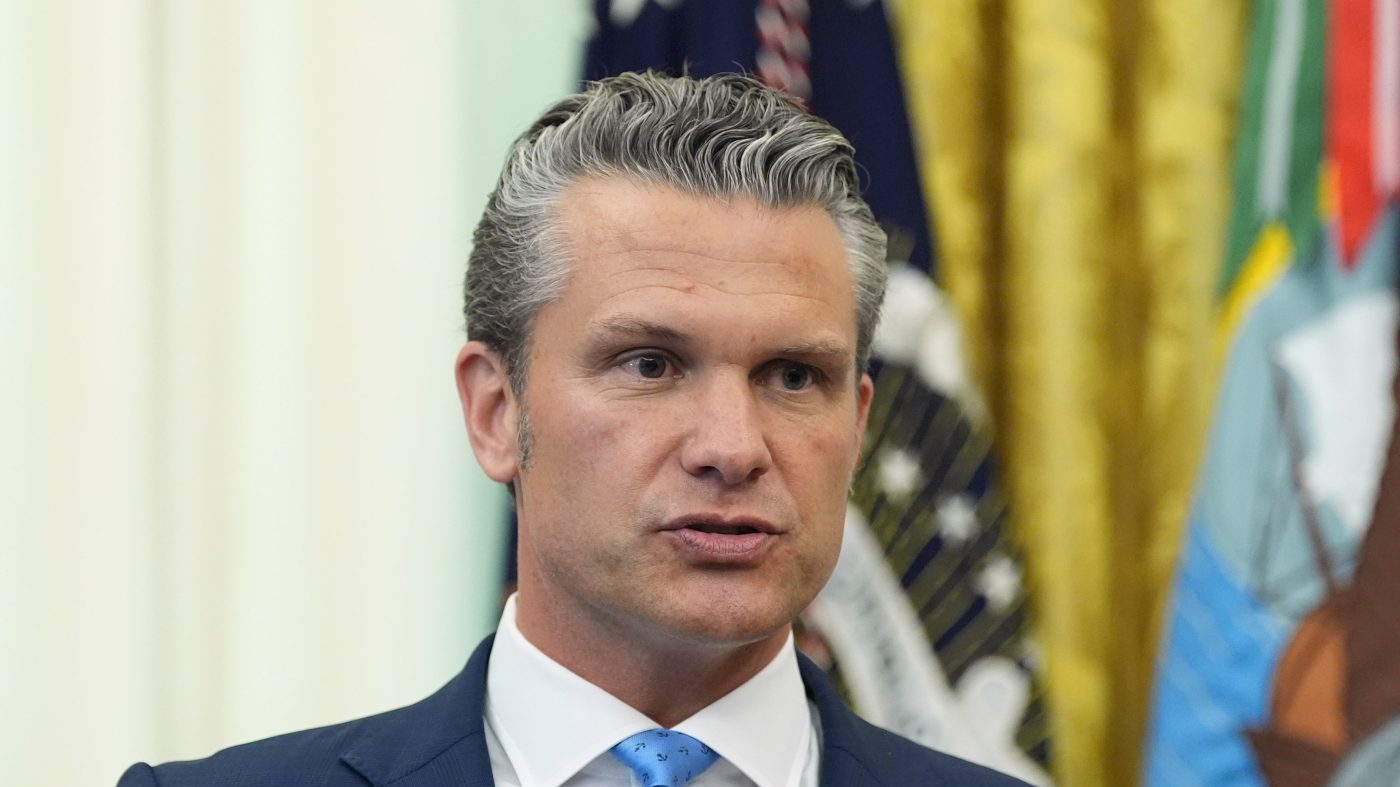
Homeland Security Secretary Markwayne Mullin defended the administration's position, emphasizing the word "temporary" in the program's name. In a video, he encouraged Haitians to consider self-deportation, suggesting they seek refuge in other countries, though he did not specify which nations might accept them. "If you think you're going to just wait out the Trump administration, it's not going to work," he warned.
Advocates counter that TPS protections are meant to be extended if conditions in the home country remain dangerous, and they point to Haiti's ongoing crisis as a clear case. Haiti was first designated for TPS in 2010 after a devastating earthquake, and the country has never fully recovered. The assassination of Prime Minister Jovenel Moïse in 2021 further destabilized the nation, which the State Department now lists as a Level 4 "Do Not Travel" area. The United Nations reports that gangs control about 85 percent of the capital, Port-au-Prince.
Despite these conditions, U.S. Immigration and Customs Enforcement (ICE) is moving quickly to begin deportations. Guerline Jozef, founder of the Haitian Bridge Alliance, said her organization has already heard from 50 Haitians in Springfield, Ohio, who were ordered to report to ICE and fitted with ankle monitors. She described a shift in ICE tactics, with the agency summoning individuals to its offices rather than conducting mass arrests, and threatening that failure to self-deport would result in detention.
The GOP is not united in its enthusiasm for the policy. Rep. Mike Lawler (R-N.Y.) co-sponsored a House measure to extend TPS for Haiti by 18 months, which passed with bipartisan support but stalled in the Senate. Several Republicans from South Florida, home to a large Haitian community, have also urged the administration to extend work permits and delay deportations, noting the significant number of TPS holders employed in healthcare and nursing homes. Rep. Nicole Malliotakis (R-N.Y.) warned that agriculture, healthcare, and hospitality businesses in her district would suffer labor shortages. Ohio Gov. Mike DeWine (R) expressed concern about the impact on his state, where many Haitians have settled.
As the administration pushes forward, the political and humanitarian fallout continues to unfold, with the fate of hundreds of thousands of people hanging in the balance.