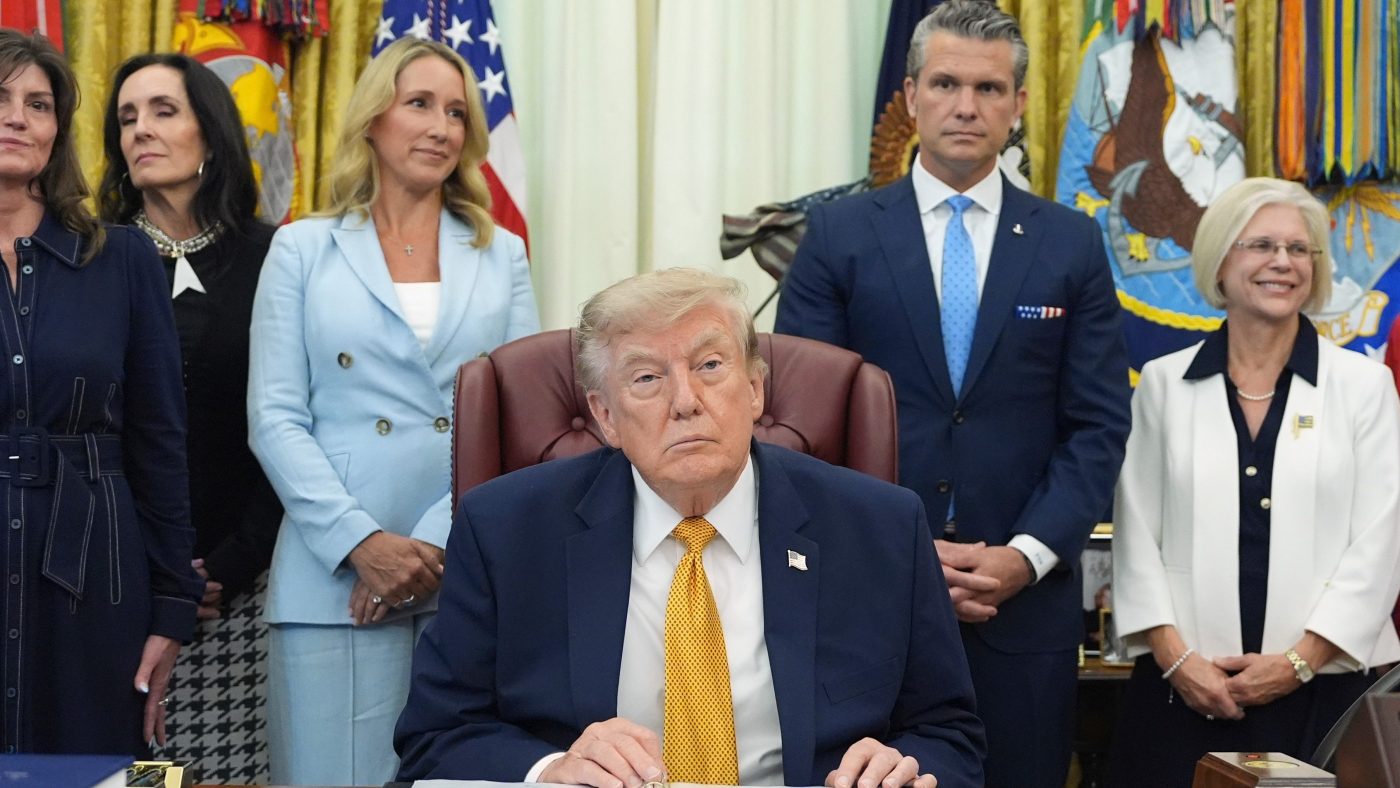
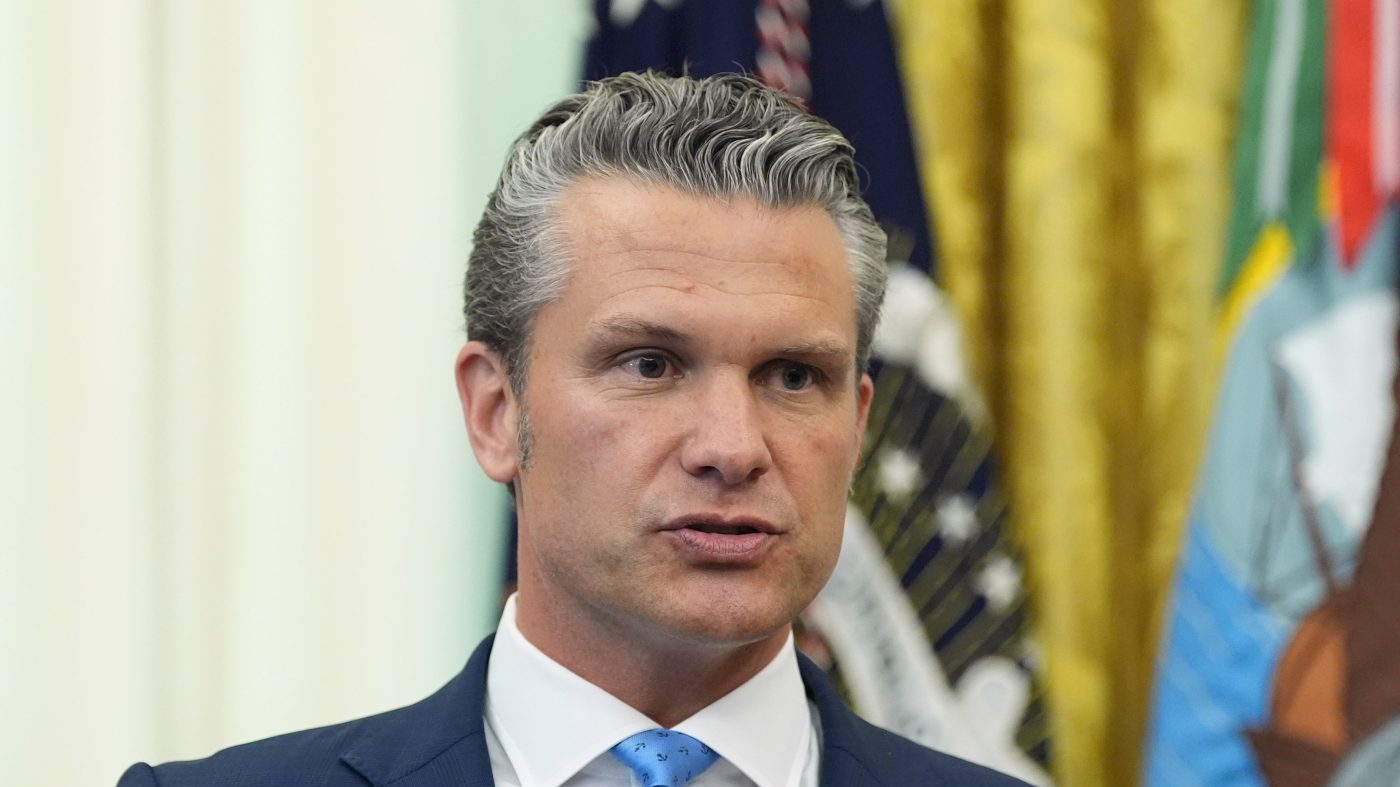
President Trump on Monday signed an executive order establishing a commission dedicated to supporting military spouses and families, while also asserting that negotiations with Iran are progressing. The order creates the President's Military Spouse Commission, chaired by Jennifer Rauchet, wife of Defense Secretary Pete Hegseth. The panel will advise the commander in chief on issues such as healthcare, employment, childcare, and education for military families.
Earlier in the day, Iranian officials pushed back on Trump's characterization of the talks, denying that negotiations over the Strait of Hormuz or an end to the conflict are underway. Trump's comments came during an Oval Office ceremony, where he reiterated his belief that discussions are moving forward. The Iranian denial underscores the fragility of diplomatic efforts in the region.
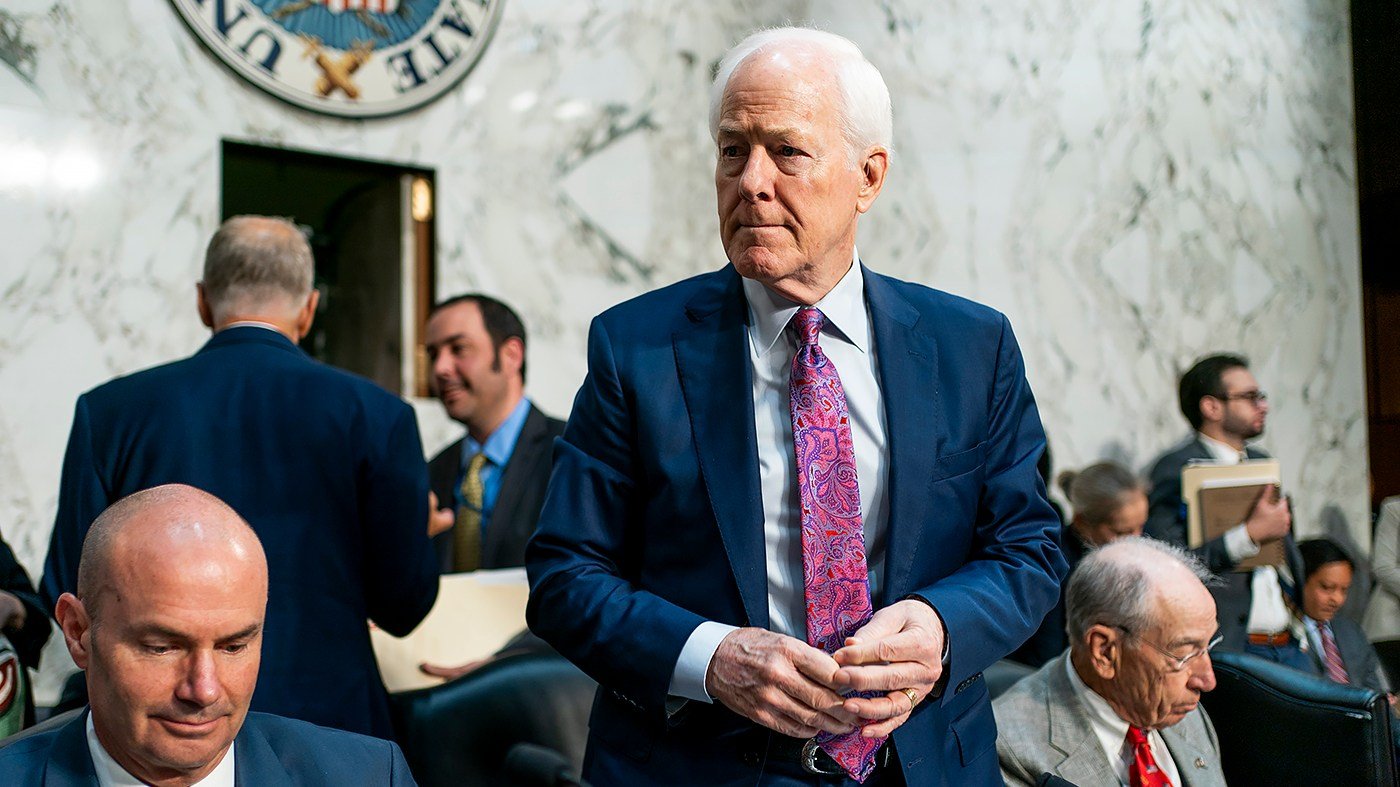
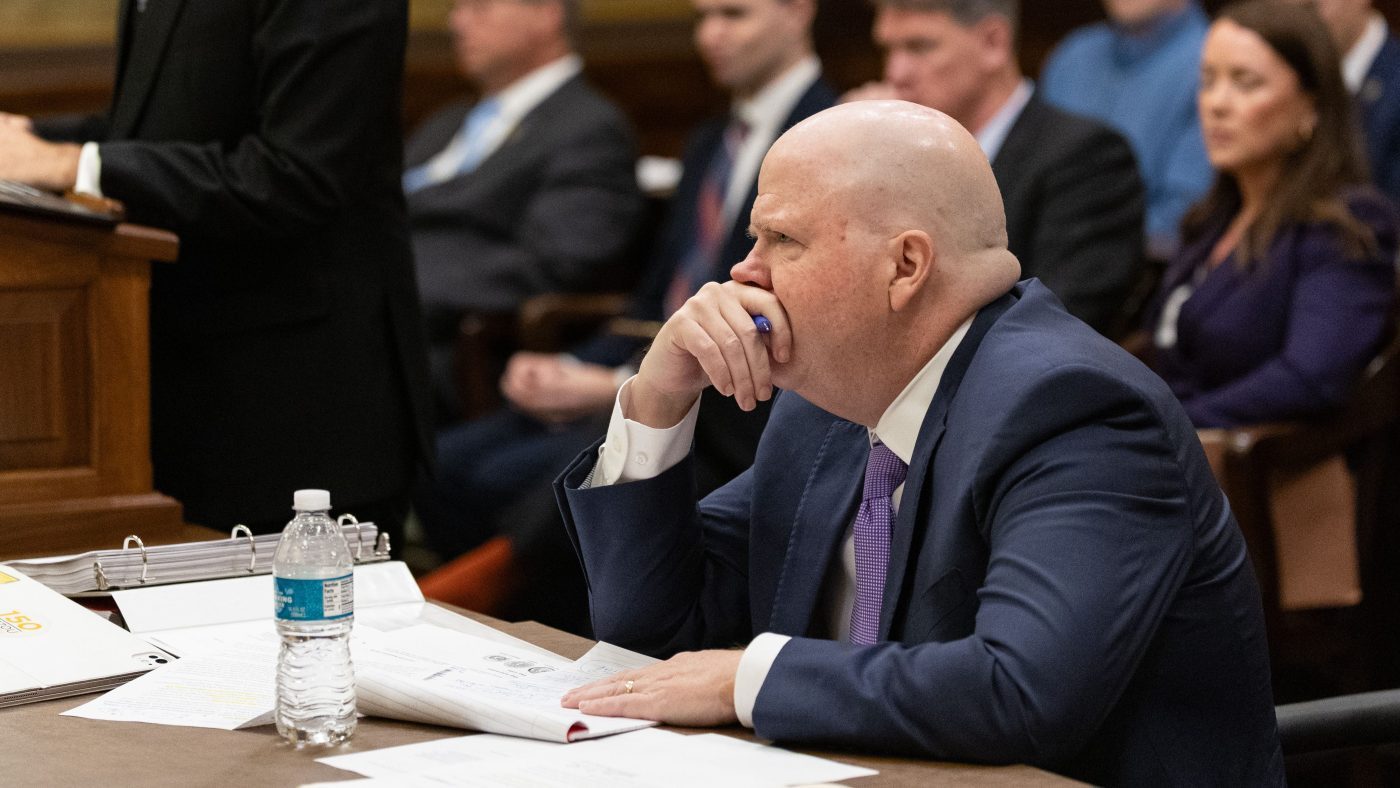
In a separate development, the Senate Judiciary Committee is set to vote Tuesday on the nomination of acting Attorney General Todd Blanche. The path was cleared after Sen. John Cornyn (R-TX) announced a deal with the Department of Justice. According to Cornyn's spokesperson, Natalie Yezbick, the DOJ will issue a formal order permanently terminating the anti-weaponization fund and provide a binding written document limiting the scope of the audit settlement to only the plaintiffs, including the President, and the IRS.
The agreement resolves a key sticking point for Cornyn, who had expressed concerns about the use of the fund and the reach of the settlement. The deal paves the way for Blanche's confirmation, though the vote is expected to be closely watched. Critics have raised questions about Blanche's record, and the confirmation fight has highlighted broader tensions within the GOP over the administration's legal strategies.
Meanwhile, the Senate Appropriations Committee announced Sunday that it had reached a bipartisan deal on a stopgap spending measure to keep the government funded past September 30. The agreement is a crucial step to avoid a shutdown, but it also stalls some of Trump's attempts to control federal scientific grants, a point of contention for conservatives.
The stopgap bill is part of a busy week for Senate Majority Leader John Thune, who is juggling the budget vote, the stopgap, and the Blanche nomination. Thune's schedule reflects the complex legislative landscape as Republicans seek to advance their agenda while managing internal divisions.
Trump's executive order on military spouses is part of a broader push to address challenges faced by military families, a topic that has gained attention in recent years. The commission's recommendations could influence future policy, particularly in areas like childcare and employment support.
On Iran, the administration's stance remains ambiguous. While Trump expressed optimism, the grim military and political realities of any potential confrontation loom large. The president's comments suggest a desire for a diplomatic solution, but Tehran's denial indicates significant hurdles remain.
As the week unfolds, all eyes will be on the Senate Judiciary Committee's vote on Blanche, as well as the progress of the spending bill. The outcomes will shape the administration's ability to implement its agenda and manage pressing national security and budgetary challenges.