Senate Republicans on Sunday unveiled a stopgap spending bill that would temporarily block the Trump administration's controversial proposal to hand political appointees oversight of hundreds of billions of dollars in federal scientific grants. The provision, tucked into the continuing resolution, marks a rare moment of congressional Republicans pushing back on a White House policy that has drawn bipartisan alarm.
The measure emerged from bipartisan talks within the Senate Appropriations Committee and was later reviewed and cleared by GOP leadership, according to aides familiar with the process. It would fund the government through December 11, meaning the proposed rule would be shelved only until that date. The administration had initially planned to finalize the rule on October 1.
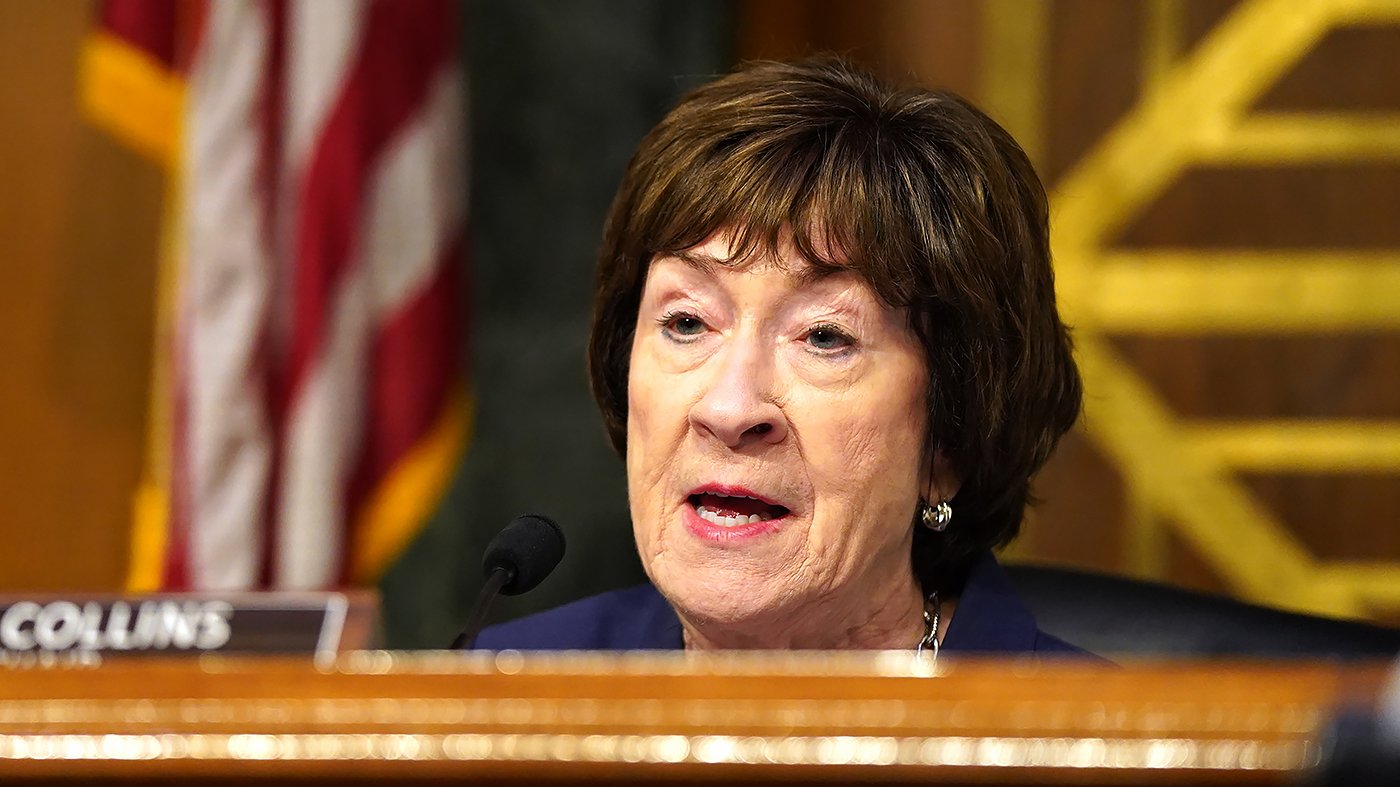
Senate Appropriations Committee Chair Susan Collins (R-Maine) said in a statement she was “pleased” the provision made it into the bill. Collins had urged the Office of Management and Budget in July to withdraw parts of the rule, echoing concerns raised by fellow Republican Sen. Lisa Murkowski of Alaska and numerous Democrats.
“I advocated for significant changes to the proposed rule … citing its potential to politicize grants and harm small, rural communities, families, and biomedical research,” Collins said.
Under the administration's proposal, every discretionary award from the federal government would require review by senior administration officials, who could reject funding if it did not align with the president's agenda. Existing grants could be terminated at any time without clear justification and with little recourse. The rule would also ban research on diversity, equity, and inclusion, as well as gender, as conditions for receiving grants, and would broadly bar international scientific collaborations.
Administration officials have insisted they would not use the rule to indiscriminately cut funding. OMB Director Russell Vought told lawmakers at a recent hearing that the goal is to be able to “turn off” research grants deemed “problematic.”
Sen. Patty Murray (D-Wash.), who worked with Collins on the provision, said she had pushed to permanently kill the proposal but was rebuffed by Republicans. “Enabling this rule would only give Trump the greenlight to take even more federal funding hostage,” Murray said in a statement. “While Republicans rejected killing the proposed rule outright, I’m going to keep fighting to put a stop to it once and for all, and I will keep pressing my Republican colleagues to do exactly that.”
The Senate is expected to take up the bill this week before departing for its August recess. The House is already on break, and its own spending package, passed two weeks ago, does not include a similar block. The two chambers will need to reconcile their versions in September.
This clash over grant oversight comes as GOP senators worry the president's agenda could hurt their midterm prospects, and it follows a broader pattern of legal and legislative battles over administration overreach. The White House's push to centralize control over scientific funding has also drawn scrutiny from civil liberties groups and researchers who fear it could chill independent inquiry.