The Trump administration on Tuesday unveiled a new regulation that shifts asylum applicants from the administrative review process directly into deportation proceedings. Billed as an efficiency measure and effective immediately, the rule is designed to accelerate removals by bypassing the asylum system, leaving applicants little time to prepare their cases.
According to the American Civil Liberties Union, this move is part of a broader assault on the U.S. humanitarian protection framework. Sarah Mehta, the ACLU's deputy director of policy and government affairs for immigration, argues that the system is not merely failing but is being deliberately dismantled from within. She points to administration policies that have sent individuals to foreign prisons where they face torture, detained children on a toxic former military base, stripped them of legal representation, and shared confidential case information on Iranian activists with the Iranian government.

Despite mounting evidence of these dangers, many politicians and commentators continue to advocate for restrictive asylum policies. Mehta criticizes these proposals as "expedient and arbitrary," noting they do nothing to modernize border processing or create a functional asylum system. Instead, they simply cap the number of people who can seek lawful protection.
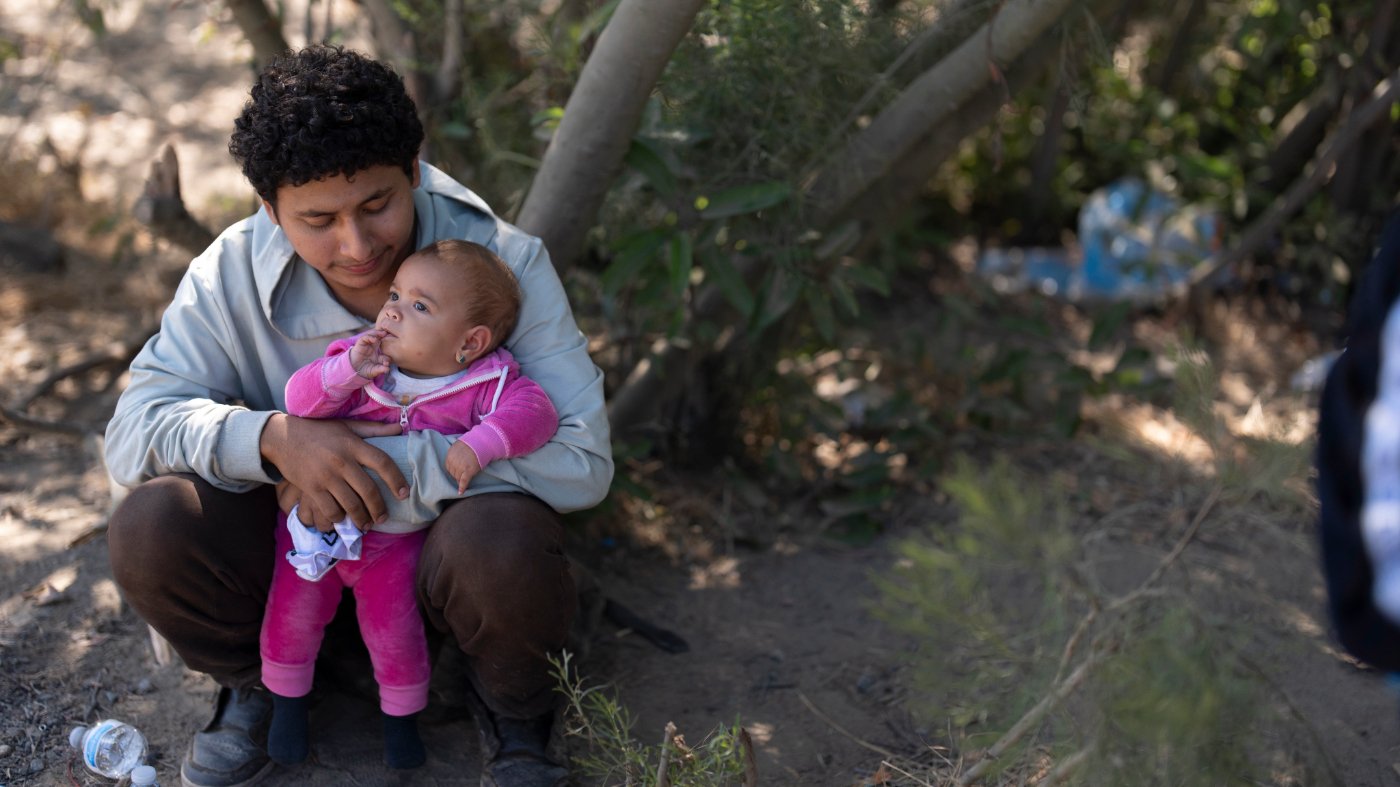
The ACLU's new report highlights the human cost of past closed-border policies like Title 42. During its implementation, Human Rights First documented at least 13,480 reports of murder, torture, kidnapping, rape, and other violent attacks on migrants stranded in Mexico. Mehta recounts meeting a Guatemalan woman who was deported despite begging agents not to send her back, only to have her son murdered and to be kidnapped and gang-raped upon return.
Mehta argues that these recycled restrictionist policies fail to address the root causes of migration—the lack of lawful pathways for family reunification, employment, and protection. They also harm U.S. communities and industries that benefit from immigrant labor. She notes that immigrants contribute tens of billions to the economy and that Ohio Governor Mike DeWine has warned that deporting 10,000 Haitians would devastate local economies and tear families apart.
In cities like Miami and New York, fear has emptied once-vibrant neighborhoods such as Little Haiti, as residents stay home to avoid detection. With roughly 1.3 million people losing humanitarian protection and plans to detain asylum seekers overseas, the situation is poised to worsen.
Mehta calls on politicians to defend asylum and engage with policies that create a safe and humane border arrivals system. This includes expanding durable pathways, modernizing processing, supporting local communities, and investing in courts to clear backlogs. She warns that rushing people into deportation tribunals has never been defensible and will not meet U.S. legal commitments or economic needs.
The stakes are not abstract. Just last week, a man deported to Guatemala and his wife, who self-deported despite a pending asylum case, were found shot dead in a field, their infant alive beside them. Hundreds of thousands face deportation to Haiti, parts of which the U.S. ambassador to the U.N. describes as a "kill zone." Children could lose their lawyers and face deportation alone, potentially into the hands of traffickers.
"This isn't the time to recycle cruel failed policies," Mehta writes. "We are hurtling towards a humanitarian catastrophe." She urges Congress to act now to protect long-term residents facing deportation to danger, reject bills that would gut asylum and child protections, and build lawful pathways that can actually fix the immigration system.