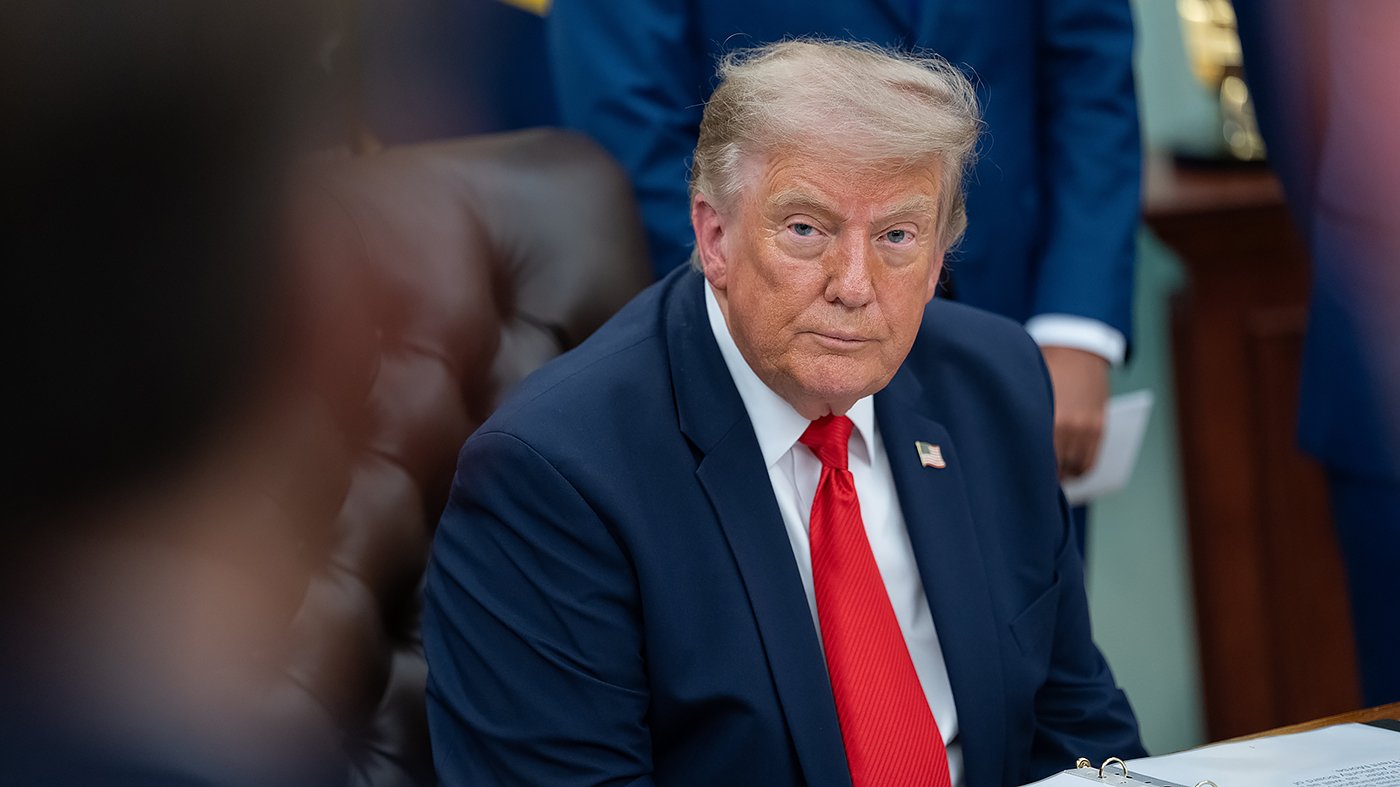
President Trump on Monday issued a stark ultimatum to Tehran, declaring that Iran has a 'last chance' to reach a peace agreement with the United States or face severe military consequences. Speaking from the Oval Office, Trump framed the current diplomatic push as a final opportunity, warning of 'decapitation' if talks fail.
The president's remarks come amid a volatile backdrop of threats and negotiations. He claimed that discussions with Iran are 'not very complex' and predicted they would 'go quickly,' even suggesting that the Strait of Hormuz could fully reopen 'literally by tomorrow' as part of a 'phase one' agreement. A subsequent 'second phase' would tackle Iran's nuclear program, which Trump acknowledged would 'take a little while.'
This latest overture follows Trump's decision to call off airstrikes against Iran, marking the fifth such reversal since April. He said Sunday that the U.S. had 'an attack planned that would have been the biggest attack since World War II' before Saudi Arabia, the United Arab Emirates, and Qatar intervened. 'Many, many countries called … and they all wanted to give this a last chance. This is a last chance,' Trump told reporters. 'This is a last chance for them to sign a good document.'
When pressed on what has changed, Trump replied, 'I want to give them every last chance before decapitation.'
However, Iran's response on Monday undercut the president's optimism. Tehran pushed back on claims that it was negotiating over the Strait of Hormuz or an end to the war, stating it was only discussing a 'temporary' safe-passage route for vessels with Oman. Trump reacted sharply, calling Iranian leadership 'unbelievably duplicitous!' in a post on Truth Social.
The president's rapid shifts between threats of overwhelming force and diplomatic outreach have raised doubts about the prospects for a meaningful agreement. As the conflict drags on, the administration faces growing scrutiny over its strategy, particularly amid concerns about military readiness and funding. Defense Secretary Pete Hegseth has struggled to secure support in the Senate for additional war funding, with some Republican senators expressing waning confidence in his leadership.
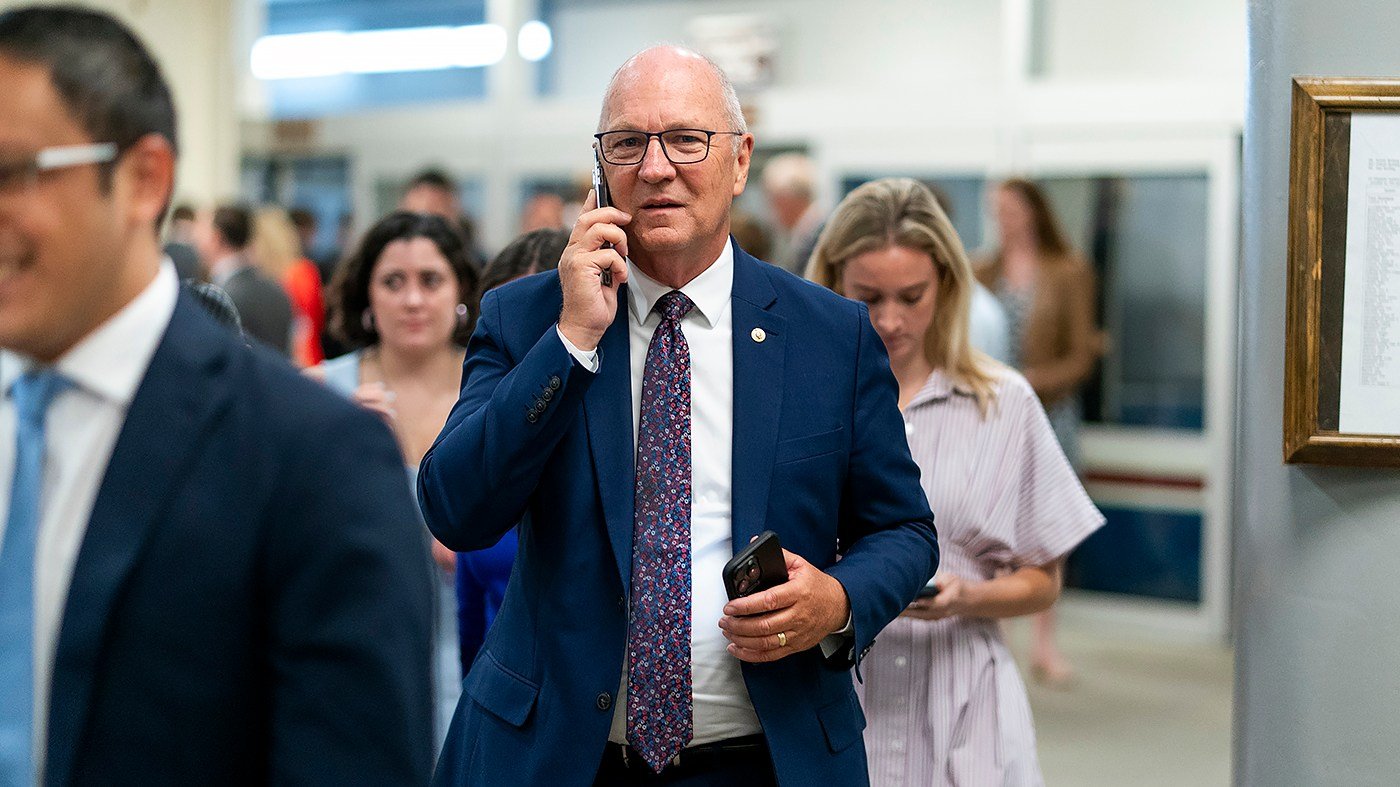
Meanwhile, Trump's decision to halt an attack plan over the weekend was framed as a step toward a deal, but skepticism remains. GOP Sen. James Lankford (Okla.) argued that Trump 'has no desire' to bomb Iran, emphasizing the administration's preference for a negotiated outcome. 'We have the capability to be able to bomb them back to the Stone Age, but there's no desire,' Lankford said on 'Fox News Sunday.'
The situation underscores the delicate balance between military posturing and diplomatic engagement. As the world watches, the question lingers: will Iran take what Trump calls its 'last chance,' or will the standoff escalate further? The coming days may prove decisive in determining whether this latest push yields a breakthrough or another false start.