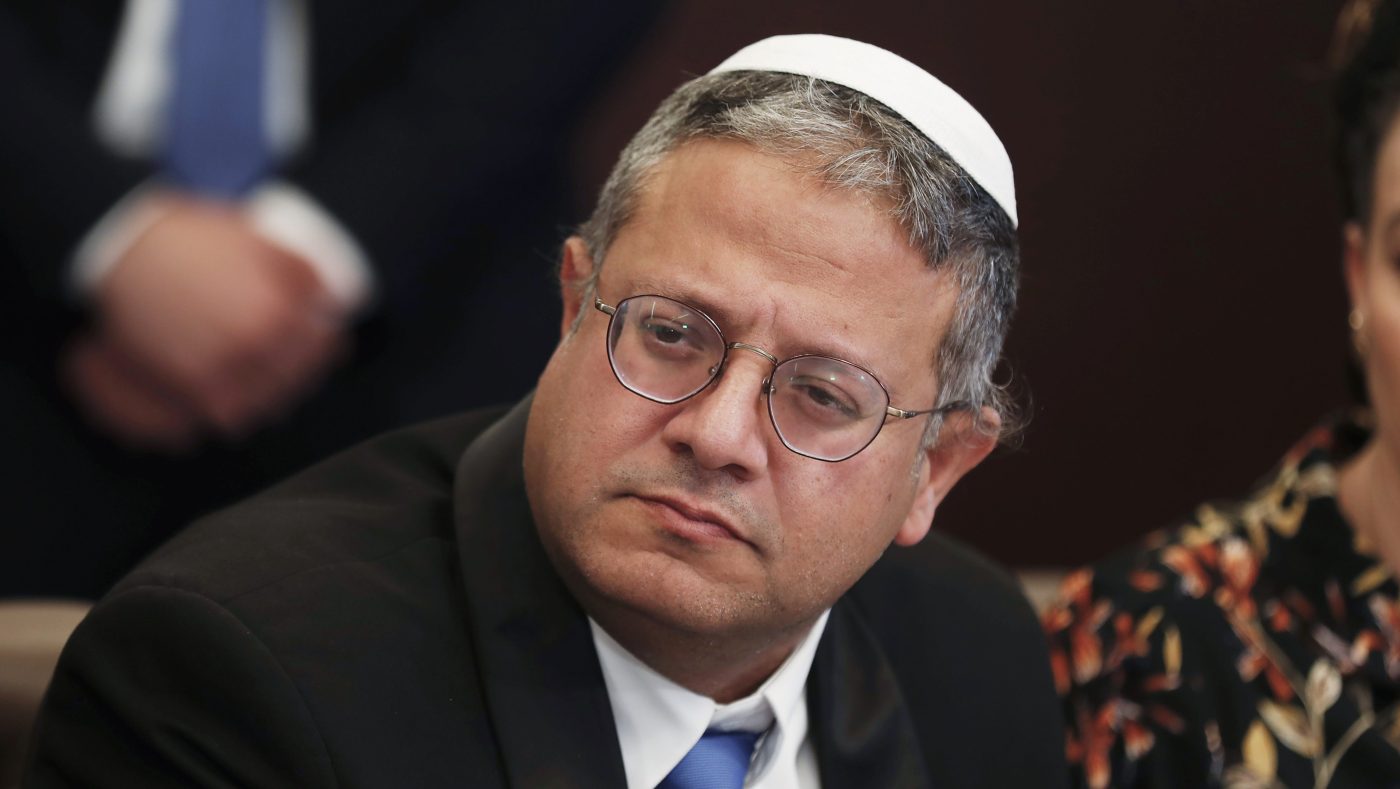
Israeli National Security Minister Itamar Ben-Gvir, a far-right figure in Prime Minister Benjamin Netanyahu's coalition, ignited a diplomatic firestorm Friday by calling for the wholesale destruction of Lebanon after renewed fighting between Israeli forces and Hezbollah shattered a fragile United States- and Iran-brokered ceasefire.
“All of Lebanon must burn,” Ben-Gvir wrote on X, the social media platform, in a post that quickly drew condemnation from Washington. “With all due respect to the Americans, Israel must make it clear to the entire world that the blood of our sons and the security of our citizens are not forfeit.”
The outburst came hours after Israeli troops clashed with the Iranian-backed militia, undermining a truce that had been central to the Trump administration’s push for broader negotiations with Tehran. The ceasefire, part of a memorandum of understanding between the U.S. and Iran, was supposed to halt hostilities and open the door to talks on Iran’s nuclear program. But a first round of those talks, scheduled for Friday in Switzerland, was postponed as violence flared.
Ben-Gvir, who leads the ultranationalist Jewish Power party, has been a persistent thorn in the side of both the Biden and Trump administrations. He was instrumental in pushing through legislation in March that imposed the death penalty for Palestinians convicted of murdering Israelis. He also holds multiple convictions related to support for a terrorist organization, and the Biden administration previously condemned his “inflammatory and irresponsible” rhetoric against Palestinians.
On Monday, Ben-Gvir dismissed the ceasefire terms outright. “Trump’s agreement does not bind us,” he posted in Hebrew on X. “Israel is not subject to the United States, and we are an independent and sovereign nation!”
His defiance drew a sharp rebuke from Vice President JD Vance, who warned Israel not to bite the hand that arms it. “If I was in the Cabinet of the Israeli government, I might not be attacking the only powerful ally that I have anywhere left in the entire world,” Vance said at a White House press conference Thursday. He added that over the past three months, “two-thirds of the defensive weapons that protected your homeland have been built by American hands and paid for by American tax dollars.”
Senior administration officials, briefing reporters on the MOU’s details, stressed that the ceasefire did not require an Israeli withdrawal from southern Lebanon. That stance was echoed by U.S. Ambassador to Israel Mike Huckabee, who rejected Iran’s demand for a pullout as a precondition for further talks.
A source familiar with the situation told NewsNation that a new ceasefire had been agreed to, set to take effect at 4 p.m. local time Friday, mediated by Qatar, the U.S., and Iran. But Ben-Gvir’s incendiary comments and the ongoing clashes cast doubt on its durability.
The episode underscores the precarious balance the Trump administration is trying to strike — pressing for a diplomatic resolution with Iran while managing an Israeli coalition that includes hardliners who see the ceasefire as a betrayal. The MOU triggers a 60-day clock on nuclear, missile, and Lebanon issues, but Ben-Gvir’s rhetoric suggests that clock may be ticking in a different direction.