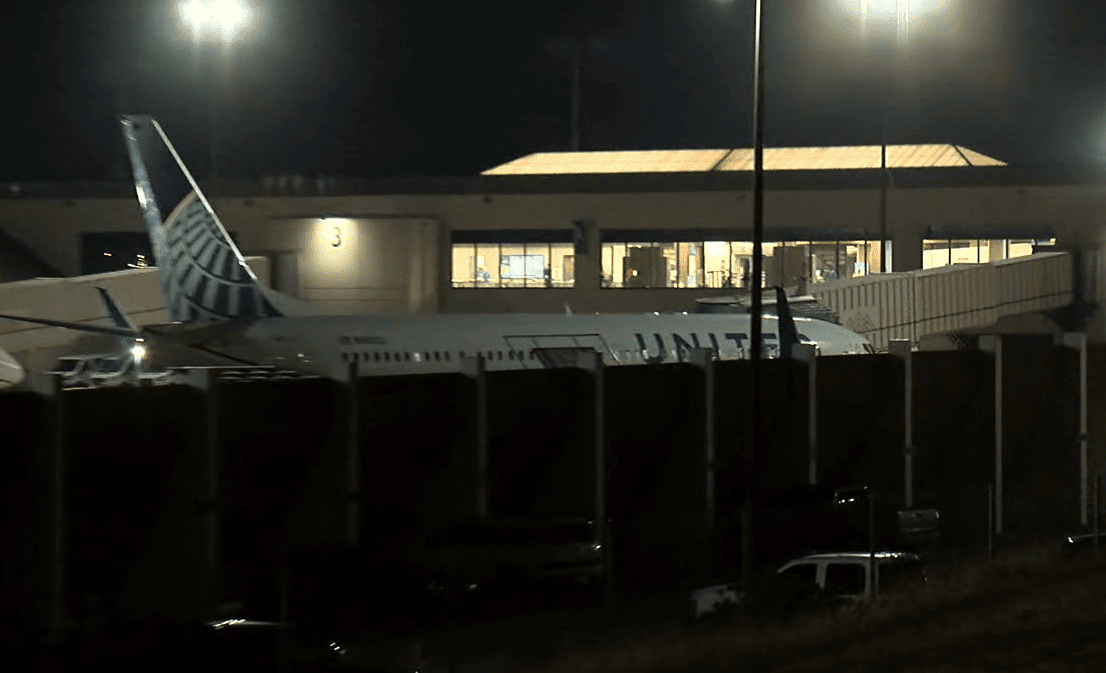
Severe weather and significant turbulence on Monday forced 22 flights, including four international carriers, to divert from Denver International Airport to Colorado Springs Municipal Airport, according to airport officials. The sudden rerouting led to multiple passengers requiring medical attention, with at least one individual transported to a local hospital.
Officials at Colorado Springs Municipal Airport confirmed that the diversions were a direct result of the hazardous conditions, which made landing in Denver unsafe. Emergency medical personnel were dispatched to the airport to evaluate several passengers who reported medical concerns after the turbulent flights. The exact nature of the injuries or illnesses was not disclosed, but the airport emphasized that all affected individuals received prompt care.

The incident highlights the broader challenges that severe weather poses to air travel, particularly in the Rocky Mountain region, where sudden storms can disrupt even the busiest hubs. Denver, a major gateway for both domestic and international travel, frequently experiences weather-related delays and diversions during the spring and summer months.
This event also underscores the importance of airport emergency preparedness. Colorado Springs, located about 70 miles south of Denver, often serves as an alternate landing site when weather or other issues force diversions. The airport's ability to handle a sudden influx of 22 aircraft, including international flights, demonstrates its capacity to manage unexpected operational surges.
Passengers on the diverted flights faced significant delays and uncertainty, as they were eventually bused or rebooked to their original destinations. Airlines worked to accommodate affected travelers, but the disruption was a reminder of how quickly weather can upend travel plans.
The Federal Aviation Administration (FAA) is expected to review the incident as part of its ongoing monitoring of weather-related disruptions. While turbulence is a common occurrence, the scale of this diversion—22 flights in a single day—is notable and raises questions about the adequacy of real-time weather forecasting and diversion protocols.
For travelers, the incident serves as a cautionary tale about the importance of flexibility when flying through regions prone to severe weather. It also highlights the need for airlines to communicate clearly and provide timely assistance during such disruptions, as passengers were left waiting for hours in some cases.
This diversion comes amid broader discussions about aviation safety and infrastructure. Earlier this year, interceptions by NORAD jets underscored the heightened security environment, while incidents at Denver International Airport have drawn attention to the facility's operational challenges. The airport has also been in the news for other reasons, including local political controversies that have sparked public debate.
As the travel industry continues to recover from the pandemic, weather-related disruptions remain a persistent hurdle. Airlines and airports are investing in advanced weather tracking and passenger assistance systems, but Monday's events show that even with improvements, the unpredictable nature of severe weather can still cause significant chaos.
In the meantime, affected passengers are advised to contact their airlines for rebooking options and to monitor flight statuses closely. Colorado Springs officials said they are working with airlines to ensure all passengers are accommodated and that any medical needs are fully addressed.