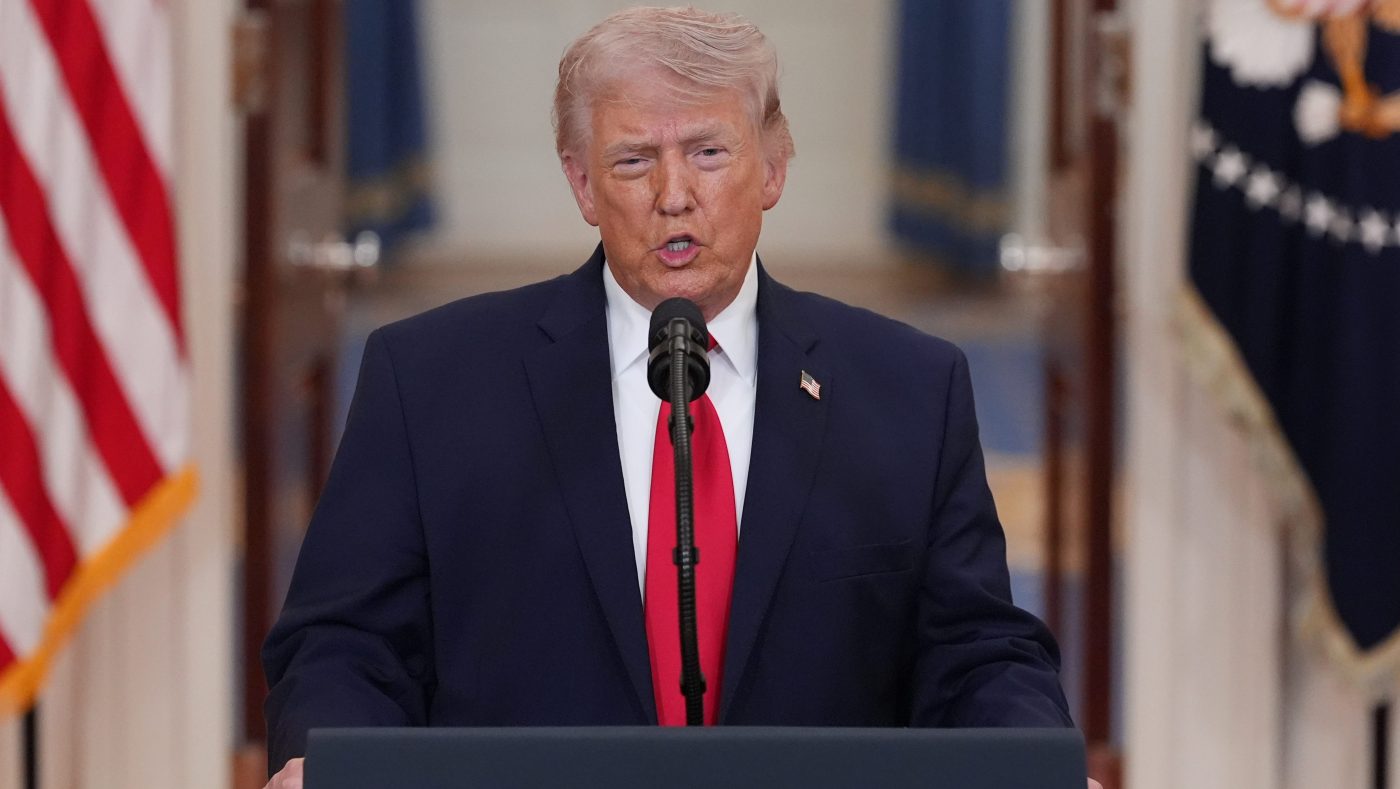
President Donald Trump announced early Sunday that American military forces successfully extracted a wounded U.S. Air Force colonel from Iranian territory, following the downing of an F-15E Strike Eagle fighter jet on Friday. The rescue operation, which Trump described as "one of the most daring Search and Rescue Operations in U.S. History," recovered the officer from mountainous terrain where he had evaded capture for approximately 48 hours.
The incident represents the first confirmed loss of a U.S. aircraft inside Iran since hostilities between Washington and Tehran escalated in late February. According to U.S. Central Command, both crew members from the downed F-15E have now been recovered through separate missions. The rescued colonel sustained injuries during the ordeal but is expected to make a full recovery.
Rescue Under Enemy Surveillance
In a series of Truth Social posts, Trump detailed the operation, stating the service member was "behind enemy lines in the treacherous mountains of Iran, being hunted down by our enemies." The president claimed continuous monitoring by military leadership facilitated the rescue, which involved "dozens of aircraft, armed with the most lethal weapons in the World." Trump has scheduled a White House press conference with military officials for Monday afternoon to address the operation.
Complicating the initial search efforts, Iran claimed it downed an A-10 Warthog attack plane deployed as part of the rescue mission later on Friday. U.S. officials confirmed the A-10 pilot ejected over Kuwaiti airspace and was recovered safely, though the aircraft's status remains unclear.
Escalating Timeline Toward Confrontation
The successful rescue occurs against a backdrop of rapidly deteriorating U.S.-Iran relations. Trump has imposed a Monday deadline for Tehran to either accept a ceasefire agreement or reopen the strategic Strait of Hormuz to unrestricted navigation. The administration's demands have been repeatedly rejected by Iranian leadership, who dismiss American proposals as unrealistic.
In a Saturday social media post, Trump warned, "Time is running out – 48 hours before all Hell will reign down on them." This bellicose rhetoric follows what the president previously characterized as a "significant" but ultimately insufficient ceasefire proposal from Iran. The downing of American aircraft inside Iranian airspace suggests Tehran is prepared to directly engage U.S. military assets, raising the risk of broader conflict.
Broader Strategic Implications
The incident and rescue operation demonstrate the expanding geographical scope of U.S.-Iran hostilities, which have primarily involved proxy forces and third-country strikes until now. The recovery of personnel from within Iran itself marks a significant escalation in direct military confrontation. This development aligns with recent predictions from congressional armed services members about inevitable troop deployments to the region.
Regional dynamics are further complicated by Israel's concurrent military actions against Iranian infrastructure. Israeli forces recently struck Iran's largest petrochemical facility, creating additional pressure on the Tehran regime as it faces Trump's ultimatum. The convergence of these events suggests coordinated pressure on multiple fronts.
As the Monday deadline approaches, diplomatic channels appear largely inactive. The Trump administration has maintained its maximum pressure campaign despite criticism from some foreign policy analysts who argue the president's confrontational approach creates unnecessary diplomatic liabilities. With the successful rescue operation providing a political victory, administration officials may feel emboldened to take harder lines in forthcoming negotiations or military actions.
The White House briefing scheduled for Monday afternoon will likely address both the rescue operation and the administration's next steps regarding Iran. With American personnel now directly engaged in combat operations inside Iranian territory, the conflict has entered a new, more dangerous phase that could determine the trajectory of U.S. policy in the Middle East for years to come.