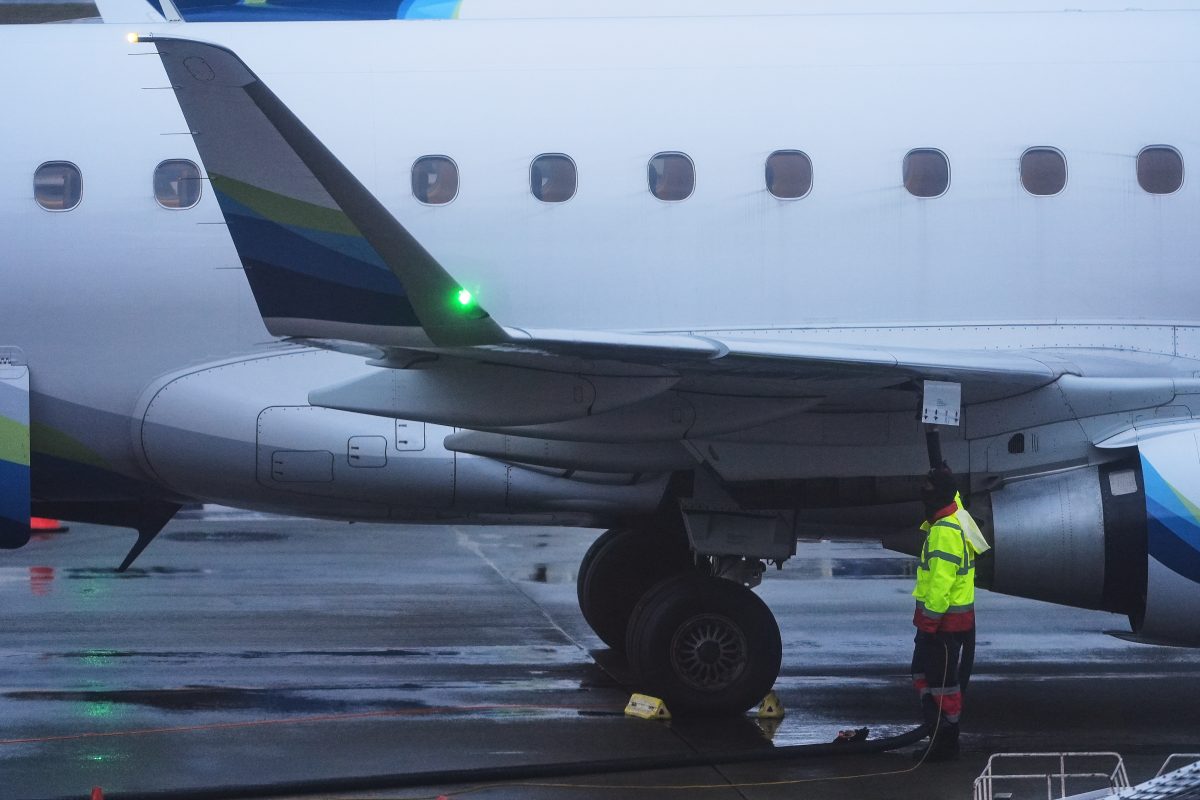
The ongoing military conflict with Iran has triggered a severe spike in U.S. jet fuel prices, pushing major airlines to implement emergency cost-saving measures and contradicting President Trump's public assurances of ample supply. Industry data shows the average price per gallon has skyrocketed from $2.50 in late February to $4.64 this week, raising alarms about both economic strain and operational viability for carriers.
Carriers Move to Offset Soaring Costs
Airlines are responding to the price shock with a combination of consumer-facing fees and operational pullbacks. JetBlue announced this week it is increasing baggage fees by up to $9, citing "rising operation costs" directly tied to fuel. "While we recognize that fee increases are never ideal, we take careful consideration to ensure these changes are implemented only when necessary," the carrier stated. The move signals a broader industry shift to pass financial pressure directly to travelers.
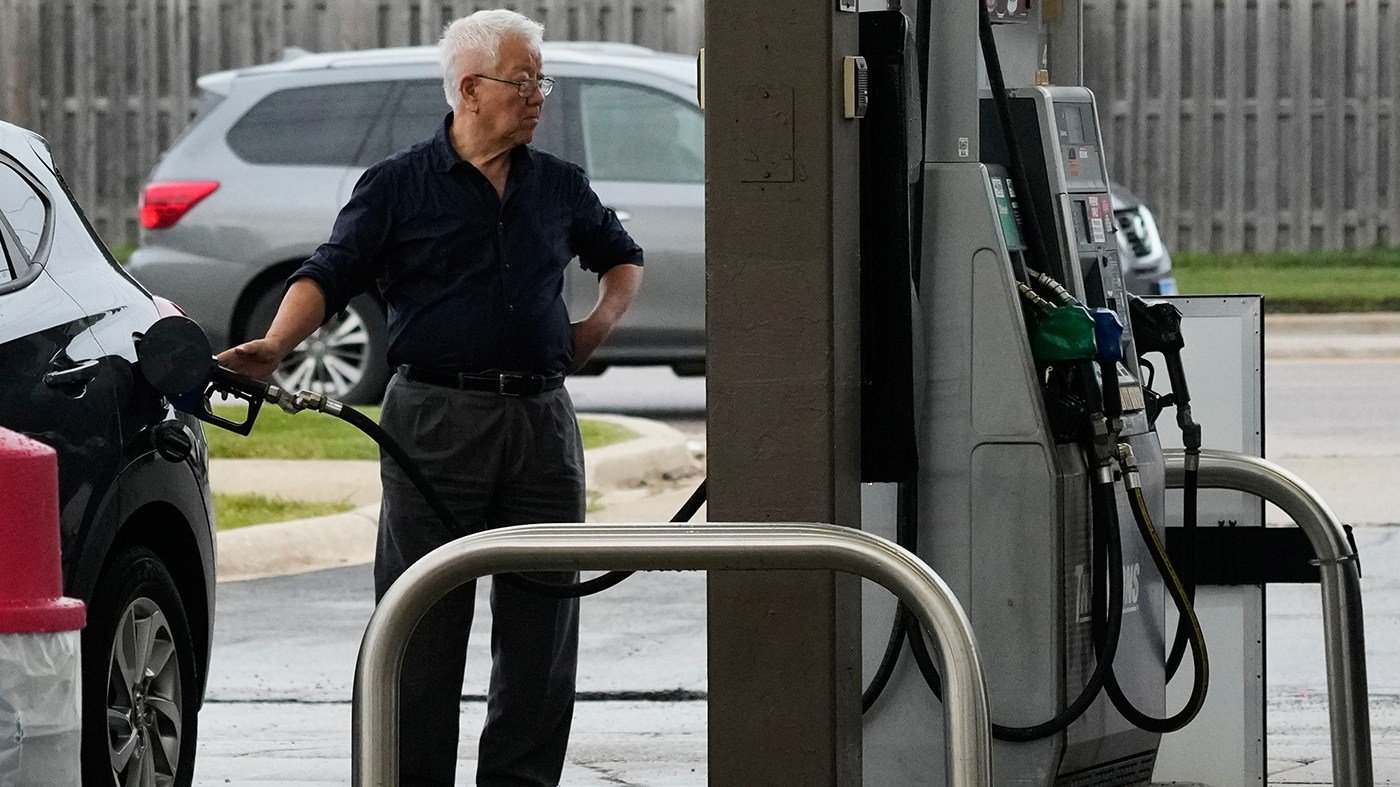
Other major carriers are taking more drastic steps. United Airlines has confirmed plans to scale back service in certain markets, while Delta and American Airlines have warned they expect to absorb approximately $400 million in additional fuel costs, costs they intend to pass on to consumers. The collective response underscores how soaring fuel prices are forcing rapid adjustments to flight schedules and fares across the commercial aviation sector.
Contradictory Assessments of Supply Security
The industry's grim outlook stands in stark contrast to statements from the White House. In a social media post on Tuesday, President Trump asserted the United States had "plenty" of jet fuel compared to other nations facing disruptions from the conflict. However, airline executives and fuel logistics experts have privately warned the Pentagon and Department of Energy that domestic supply could be exhausted in a matter of weeks if current tensions persist and disrupt global shipping lanes.
The supply crunch is exacerbated by Iran's strategic position. Iran's ability to threaten the Strait of Hormuz, a critical chokepoint for global oil shipments, has introduced profound volatility into all refined petroleum markets, including jet fuel. This geopolitical risk premium is now being priced into every gallon, with no immediate relief in sight as military posturing continues.
Broader Economic and Policy Implications
The crisis extends beyond airline balance sheets, touching on core issues of energy security and executive authority. The Trump administration has already moved to leverage wartime powers to address energy infrastructure, invoking a wartime law to restart a contested California pipeline project by overriding state jurisdiction. Such actions highlight how the conflict is reshaping domestic policy landscapes.
Furthermore, the situation tests the administration's capacity to manage both a foreign conflict and its cascading economic consequences at home. The President's dismissal of war crime concerns related to potential strikes on Iranian civilian infrastructure has drawn international criticism, even as the practical effects of the war manifest in U.S. transportation costs. This approach risks further escalation that could tighten supply constraints.
With the U.S. accelerating its naval presence in the region, the prospects for a rapid de-escalation appear dim. The military buildup, intended as a deterrent, simultaneously reinforces market fears of a prolonged disruption. For American consumers, the immediate impact will be felt in higher travel costs and reduced flight options, a tangible economic spillover from a distant war.