In a move with profound implications for federalism, the Trump administration has deployed a Cold War-era national security law to restart a California oil pipeline, directly contravening state regulations and judicial rulings. The order, issued last month, compels the resumption of operations for a 122-mile onshore pipeline that has been idle since a disastrous 2015 spill.
A Troubled History and a Federal Override
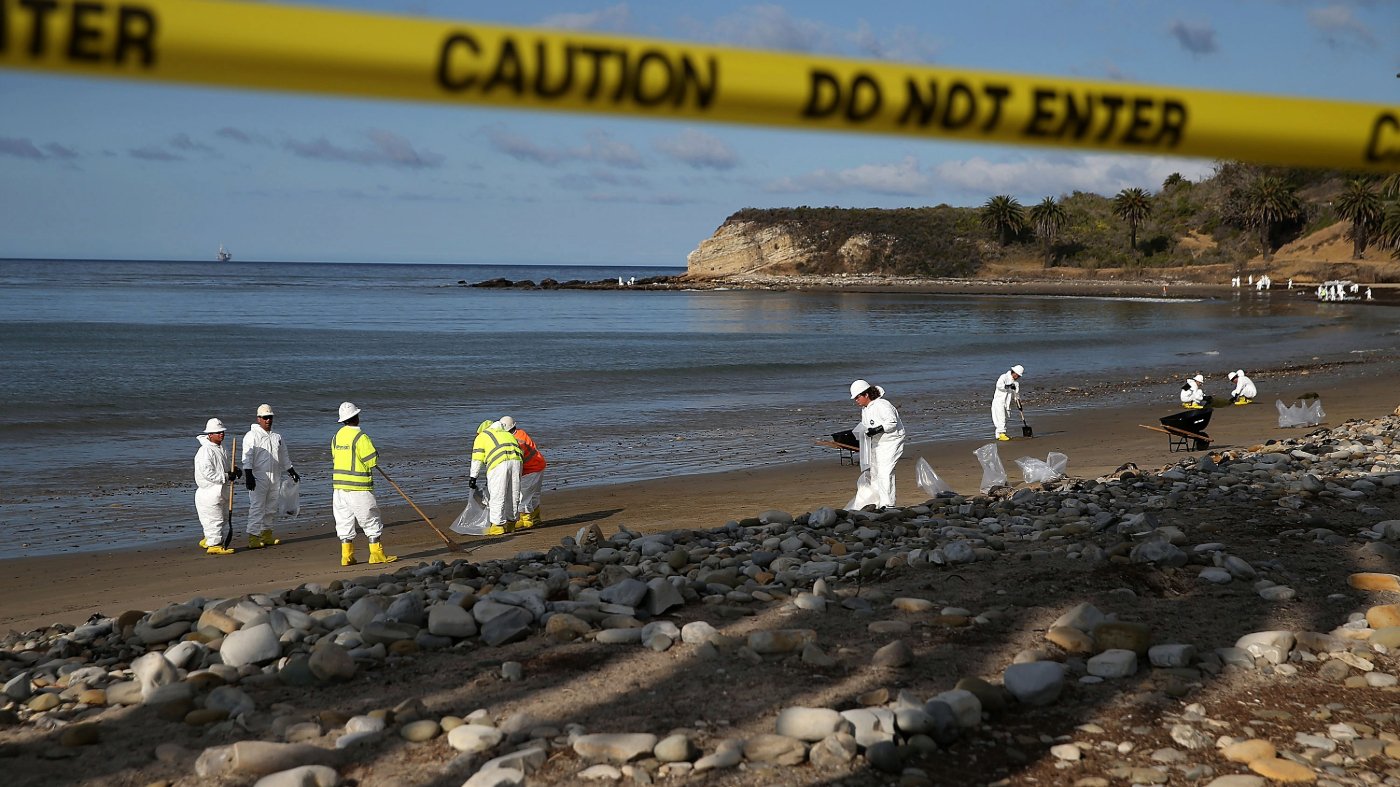
The pipeline, which transports crude from offshore platforms near Santa Barbara to the state's Central Valley, was shut down after a rupture caused by corrosion released approximately 450,000 gallons of oil. The spill, California's worst in decades, contaminated 150 miles of coastline, killed hundreds of birds and marine mammals, and devastated local fisheries. State authorities and courts have kept it offline due to ongoing safety and environmental concerns that the Trump administration's order does not address.

By invoking the Defense Production Act (DPA)—a law intended for wartime industrial mobilization—the White House has brushed aside California's legal processes. The administration argues the move is necessary for national and economic security, a justification environmental groups and legal experts contend is specious. "This represents a blatant abuse of emergency authority," said one attorney involved in the litigation. "The White House needs a legitimate reason, and restarting a privately-owned pipeline that violated state law isn't one."
A Dangerous Precedent for State Sovereignty
The action establishes a potentially far-reaching precedent. If the federal government can use the DPA to sideline California's environmental safeguards, it could attempt the same in other states opposing federal priorities. Lawmakers in coastal states from Florida to Alaska, who have expressed skepticism about offshore drilling expansion, may find their opposition nullified by a similar executive order.
The pipeline's current owner, Sable Offshore Corp., has faced numerous violations, lawsuits, and even criminal charges related to California's coastal protection laws since acquiring the assets in 2024. The state's resistance to the restart is part of a regulatory system holding the company accountable for these failures. The federal order undermines that entire framework.
Critics warn this is not an isolated incident but part of a broader pattern of consolidating executive power. The administration has shown a willingness to test constitutional boundaries, from controversial immigration orders to aggressive foreign policy moves that have drawn rebukes, such as when Stephen A. Smith criticized Trump's profane Iran ultimatum as a diplomatic liability.
The central question now is how far this precedent extends. Could the DPA be invoked to override local opposition to water-intensive data centers, or state agencies blocking mines over public health concerns? The administration's action sends a clear message: under the guise of a national security emergency, it claims the power to bypass state and local laws designed to protect the environment, public health, and climate.
Legal challenges are underway, with environmental groups arguing the order is unlawful. They are confident courts will see through the administration's justifications. However, the immediate effect is a chilling one for state sovereignty. The episode underscores a broader political landscape where established norms and balances of power are under sustained pressure, often through actions billed as routine policy rather than dramatic confrontations.
If upheld, this use of the Defense Production Act would represent a significant shift in the federal-state relationship, granting the White House a potent tool to override subnational governance. It poses a direct threat to the ability of states to regulate industry and protect their residents, setting the stage for future conflicts over energy, environment, and the very structure of American federalism.