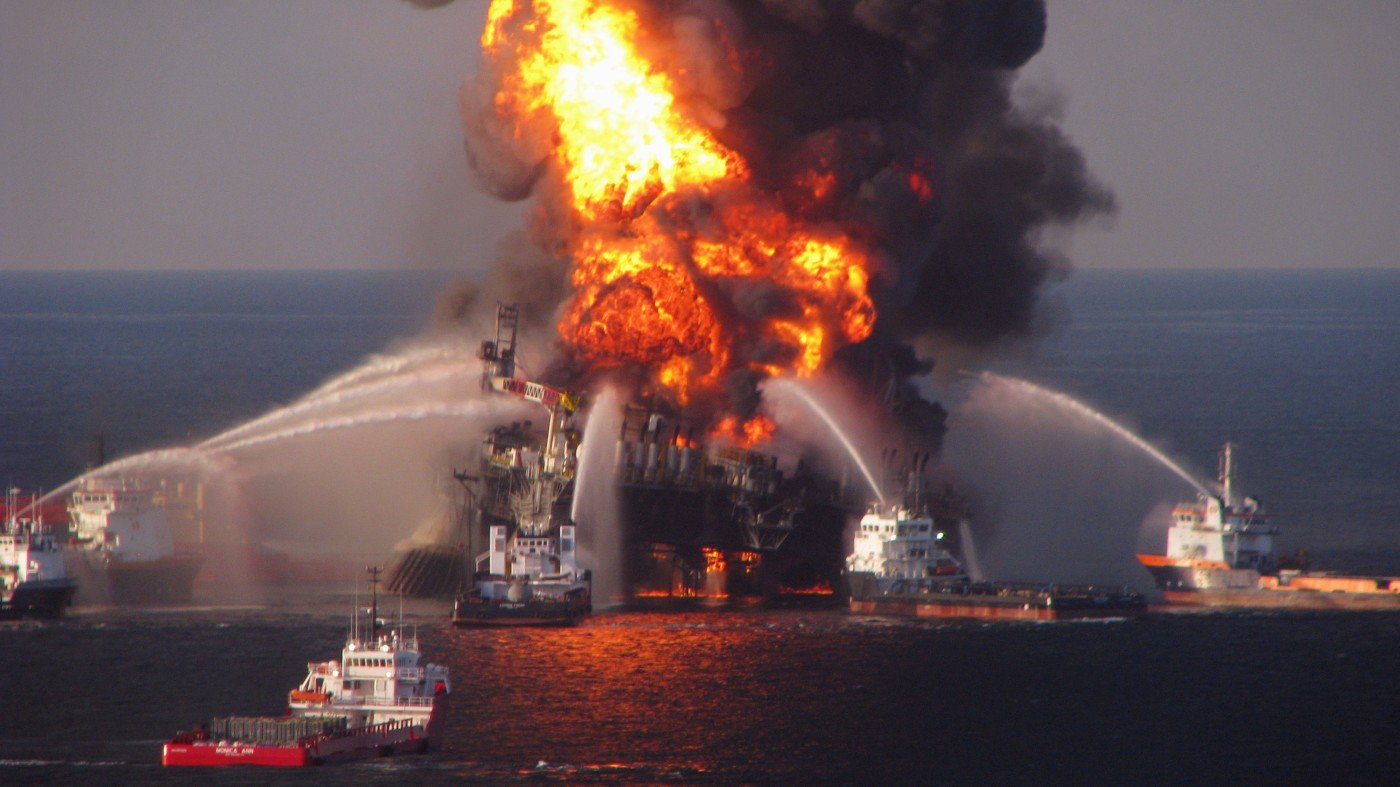
The Trump administration is moving to consolidate two federal agencies responsible for offshore energy development and safety enforcement, effectively reversing a major structural reform implemented in the aftermath of the 2010 Deepwater Horizon oil spill. The merger will reunite the Bureau of Ocean Energy Management (BOEM) and the Bureau of Safety and Environmental Enforcement (BSEE) into a single entity, reviving the framework of the old Minerals Management Service.
Reversing a Post-Disaster Reform
This reorganization directly counters a policy established by the Obama administration following one of the worst environmental disasters in U.S. history. The 2010 explosion on the Deepwater Horizon drilling rig killed 11 workers and unleashed nearly 5 million barrels of crude oil into the Gulf of Mexico, causing extensive ecological and economic damage. The subsequent investigation revealed systemic regulatory failures and a culture of coziness between regulators and the industry they oversaw.
In response, the administration divided the functions of the Minerals Management Service, creating BOEM to handle leasing and revenue collection and BSEE to enforce safety and environmental regulations. The separation was designed to eliminate conflicts of interest and strengthen oversight by creating an independent safety watchdog.
Administration's Rationale: Efficiency and Coordination
Interior Secretary Doug Burgum framed the consolidation as a necessary efficiency measure. “President Trump has been laser focused on making the government work efficiently and effectively for the American people,” Burgum said in a statement. He argued the department is applying lessons from the past decade to deliver “clearer coordination, better service to the public and stronger, more integrated oversight of offshore energy development.”
The administration contends that reuniting the agencies will streamline permitting and regulatory processes for energy companies operating in federal waters, aligning with the President's broader energy dominance agenda. This move is part of a pattern of regulatory rollbacks and administrative actions aimed at accelerating domestic fossil fuel production.
Critics Warn of Return to Pre-Spill Risks
Environmental and watchdog groups have denounced the move as a dangerous step backward that prioritizes corporate profits over public safety and environmental protection. “This sounds like yet another handout to the oil industry that will fast-track risky projects. It sure won’t make the people or wildlife on our coasts any safer,” said Miyoko Sakashita, oceans director at the Center for Biological Diversity.
Sakashita emphasized the original intent behind the split, stating, “The agencies were intentionally split in the aftermath of the Deepwater Horizon oil spill because regulators were too cozy with industry, and we couldn’t trust the integrity of their work.” Critics fear that re-merging the leasing and safety functions will recreate the very conflicts of interest that contributed to the 2010 catastrophe, undermining rigorous oversight as the administration seeks to expand offshore drilling.
This policy shift occurs amid other contentious energy and environmental decisions from the administration, including confrontational stances on international energy politics. The consolidation also reflects a governing philosophy that often challenges established norms and policies from previous administrations, a pattern seen in areas from immigration to federal project management, such as the contested White House ballroom renovation.
The decision is likely to face legal challenges and intense scrutiny from congressional Democrats. It represents a significant philosophical clash over the role of government regulation in high-risk industries, pitting the administration's drive for deregulation and energy production against safety and environmental safeguards established after a national tragedy.