The White House's fiscal 2027 budget proposal, unveiled Friday by Office of Management and Budget Director Russell Vought, has ignited immediate and fierce condemnation from congressional Democrats, who labeled it a blueprint of misplaced priorities that sacrifices critical domestic needs for massive military expansion.
A Budget of Contrasts: Defense Surge, Domestic Retreat
The request seeks $1.5 trillion for national defense, representing an approximately 42 percent increase over current funding levels. The administration argues this infusion is necessary to replenish munitions stockpiles, expand the defense industrial base, and sustain military operations, including the ongoing five-week conflict with Iran. Simultaneously, the plan proposes cutting nondefense discretionary spending by $73 billion. The White House frames these reductions as eliminating "woke, weaponized, and wasteful programs" and returning certain responsibilities to state and local governments.

Democratic Leadership Delivers Scathing Rebuke
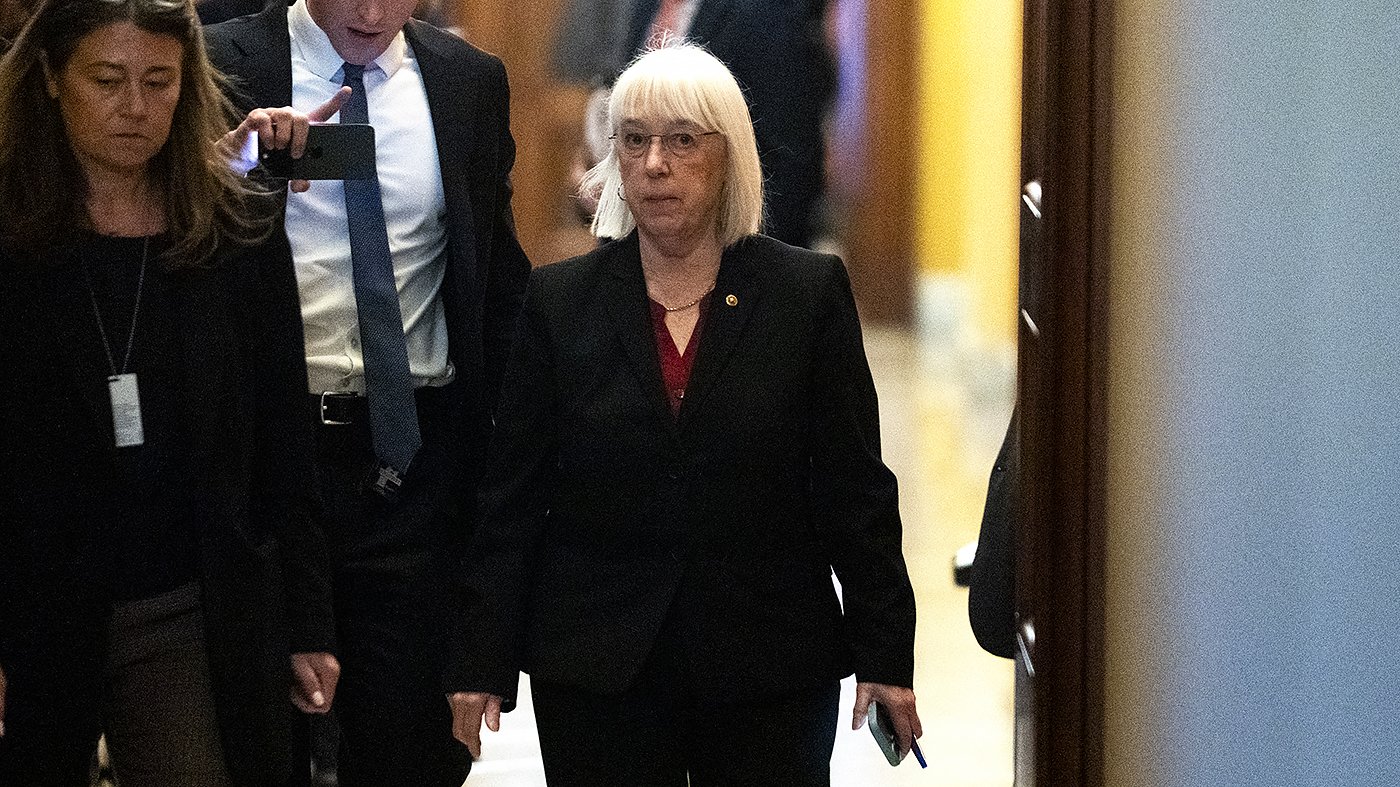
Top Democrats on the powerful appropriations and budget committees wasted no time in rejecting the administration's vision. Senate Appropriations Committee Vice Chair Patty Murray (D-Wash.) called the proposal "bleak and unacceptable." In a blistering statement, she accused President Trump of seeking "to slash medical research to fund costly foreign wars." Murray added, "The only responsible thing to do with a budget this morally bankrupt is to toss it in the trash," and questioned the logic of Pentagon increases over investments in lowering heating bills and childcare costs.
Senate Budget Committee Ranking Member Jeff Merkley (D-Ore.) declared the budget "dead on arrival," characterizing it as "an out-of-touch plea for more money for guns and bombs, and less for the things people need, like housing, health care, education, roads, scientific research, and environmental protection." This critique highlights the persistent Democratic focus on affordability issues, even as some analysts warn the party needs a broader economic narrative.
House Democrats Echo Condemnation
In the House, Budget Committee Ranking Member Brendan Boyle (D-Pa.) denounced the plan as an "America Last" budget. Boyle stated he would demand detailed explanations from OMB Director Vought, who is scheduled to testify before the committee on April 15. The unified Democratic opposition sets the stage for a contentious appropriations cycle, where procedural battles over spending bills are already emerging.
Senate Minority Leader Chuck Schumer (D-N.Y.) vowed unified resistance, calling Trump's budget "rotten to the core" and promising Democrats would stand firmly against it. The sharp rhetoric underscores the document's role as a political statement. While a presidential budget is rarely enacted wholesale, it serves as a foundational document outlining administration priorities and providing a starting point for congressional negotiations.
Republican Embrace and the Road Ahead
Congressional Republicans swiftly endorsed the proposal. House Speaker Mike Johnson (R-La.) praised it as a fulfillment of campaign promises to "restore fiscal sanity, reduce waste, fraud, and abuse in Washington, make our streets and neighborhoods safe again, and further ignite the American dream." The partisan divide is stark, with the budget crystallizing the fundamental disagreement between the parties on the role of federal spending. The proposal arrives amid a volatile political landscape, where recent polling suggests Democrats are gaining ground ahead of the midterm elections.
The defense request, arriving during an active conflict, is certain to face scrutiny beyond partisan lines. Some lawmakers have already called for more transparency on war strategy, with House Armed Services Committee Democrats recently demanding a public hearing on the administration's Iran strategy. The budget's deep cuts to domestic agencies and programs mirror tactics seen in other areas, such as when the NASA administrator defended significant proposed reductions to science and climate programs.
With Democrats controlling the Senate and Republicans holding a narrow House majority, the final spending bills will require negotiation. The White House's opening salvo, however, has defined the battle lines: a historic push for military funding paid for by a dramatic contraction of the federal government's domestic footprint.