Democrats have positioned the rising cost of living as the central pillar of their 2026 midterm election strategy, a direct response to widespread economic anxiety among voters. The approach is politically astute, tapping into what analysts call the defining issue of the moment. However, a significant strategic vulnerability is emerging: the party's focus on immediate affordability may lack the durable policy framework needed to address entrenched economic realities, potentially leaving them exposed in the 2028 presidential race and beyond.
The Structural Challenge
The core dilemma for Democrats is that many factors driving unaffordability—from housing shortages to global supply chain pressures—are not amenable to quick legislative fixes. As one observer notes, the current economic strain represents a "permanent recalibration" rather than a temporary downturn. This creates a perilous political gap between campaign promises and the multi-year timeline required for major infrastructure or housing policies to yield tangible results for families. Voters, increasingly frustrated by the costs of groceries, housing, and healthcare, tend to blame incumbents for the lack of progress, a trend exacerbated by a global wave of anti-incumbent sentiment.
This anti-incumbency pattern is deeply established in American politics. As noted after the 2024 election, the tradition of "continually throwing the bums out" has persisted for two decades, with recent off-year elections continuing the trend. This environment of voter impatience sets a difficult stage for any party making affordability pledges, as seen in the ongoing erosion of public trust in governing institutions.
Policy Timelines vs. Political Cycles
Nowhere is the challenge more evident than in housing. Analysts estimate the United States needs between 3.7 and 4 million additional homes to address the supply shortage. Proposed solutions from policy institutes—such as reforming zoning laws or repealing the Faircloth Amendment to expand public housing—represent multi-year journeys from proposal to implementation. Even under ideal legislative conditions, the ripple effects of new construction would likely not ease rental markets until the mid-2030s.
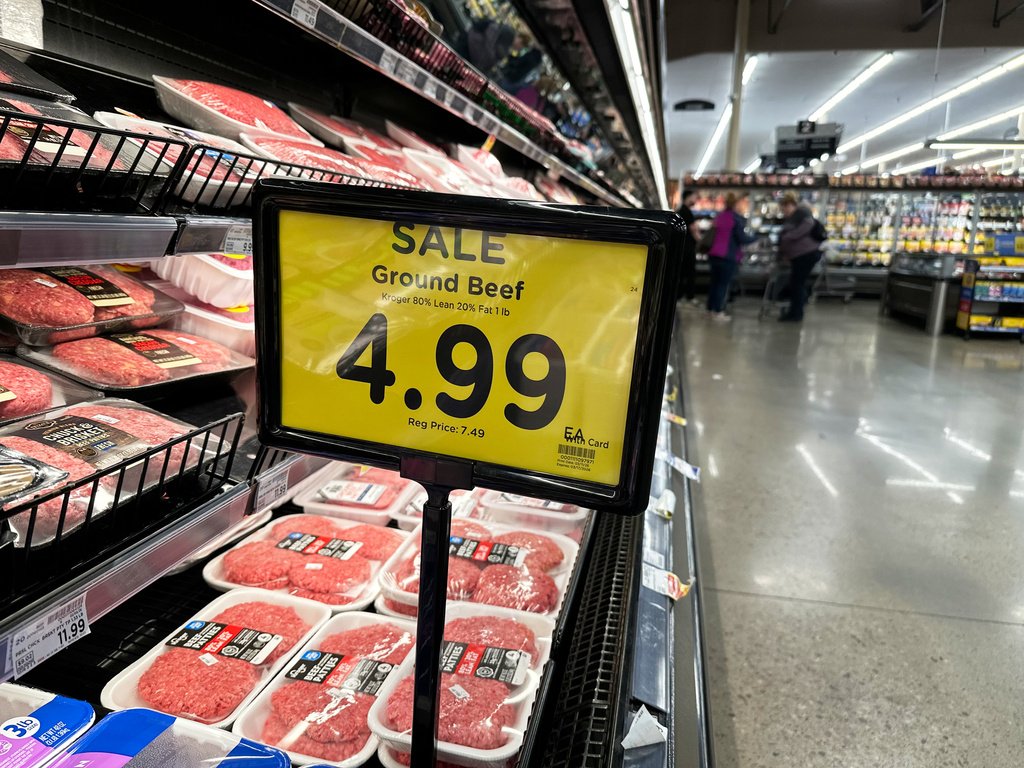
The food sector presents similar obstacles. Economists suggest grocery prices are unlikely to decline in nominal terms. While wage growth has recently outpaced inflation, polling indicates most consumers still feel pinched, with 80% reporting grocery costs were as hard or harder to afford in 2025 compared to the previous year. These persistent pressures haunt both parties; former President Donald Trump, who promised cheaper groceries during the 2024 campaign, now faces significant negative polling on cost-of-living issues.
The Republican Parallel and Democratic Risk
Democrats now risk making similar overpromises. If their 2026 campaign centers on affordability without a credible, long-term policy pathway, voter resentment is nearly guaranteed when immediate relief fails to materialize. This dynamic is unfolding against a backdrop of legislative stalemate, as seen in recent failed negotiations over government funding bills that highlight Washington's capacity for inaction.
Substantive progress would require passing and implementing a comprehensive suite of policies on a timeline that allows them to bear fruit before the next election cycle—a feat that demands sustained voter support across multiple elections. This, in turn, necessitates a galvanizing, forward-looking vision that answers fundamental questions: What should America look like in fifty years? What moral and economic principles should guide policy? Why should voters commit to one party's project for a generation?
The Vision Deficit
Currently, much Democratic messaging remains reactive and Trump-focused, arguing that Republican policies on tariffs and foreign policy exacerbate affordability problems. While this may prove effective in the 2026 midterms, as suggested by recent polling showing Democratic gains, it is not a substitute for a positive, enduring agenda. Any victory secured on this basis could be short-lived.
The 2028 presidential election presents a critical opportunity for contenders from both parties to move beyond defensive politics and inspire the electorate with ambitious, large-scale solutions. The alternative is a continued cycle of short-term promises followed by voter disillusionment, a pattern that undermines both governance and public faith in the political system's ability to solve the nation's most pressing economic challenges.