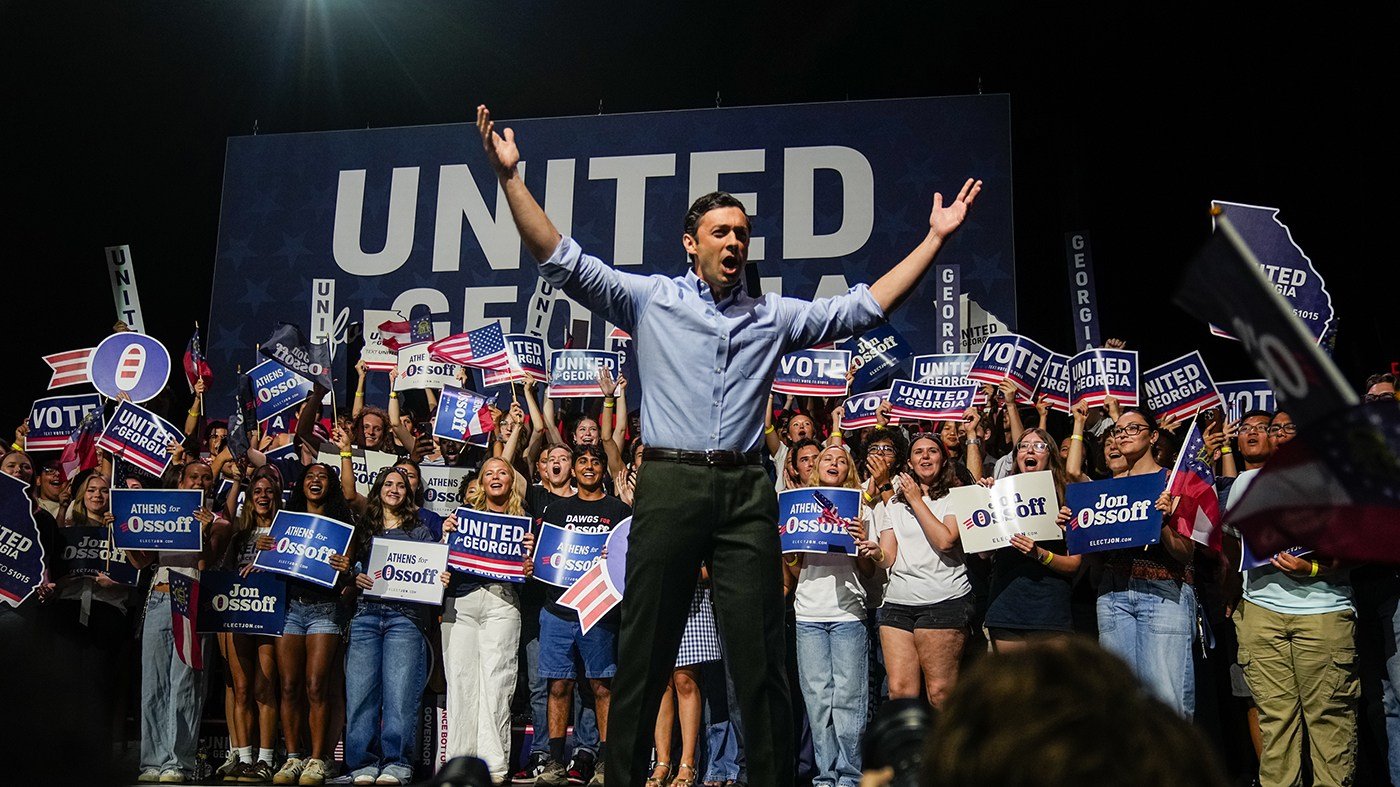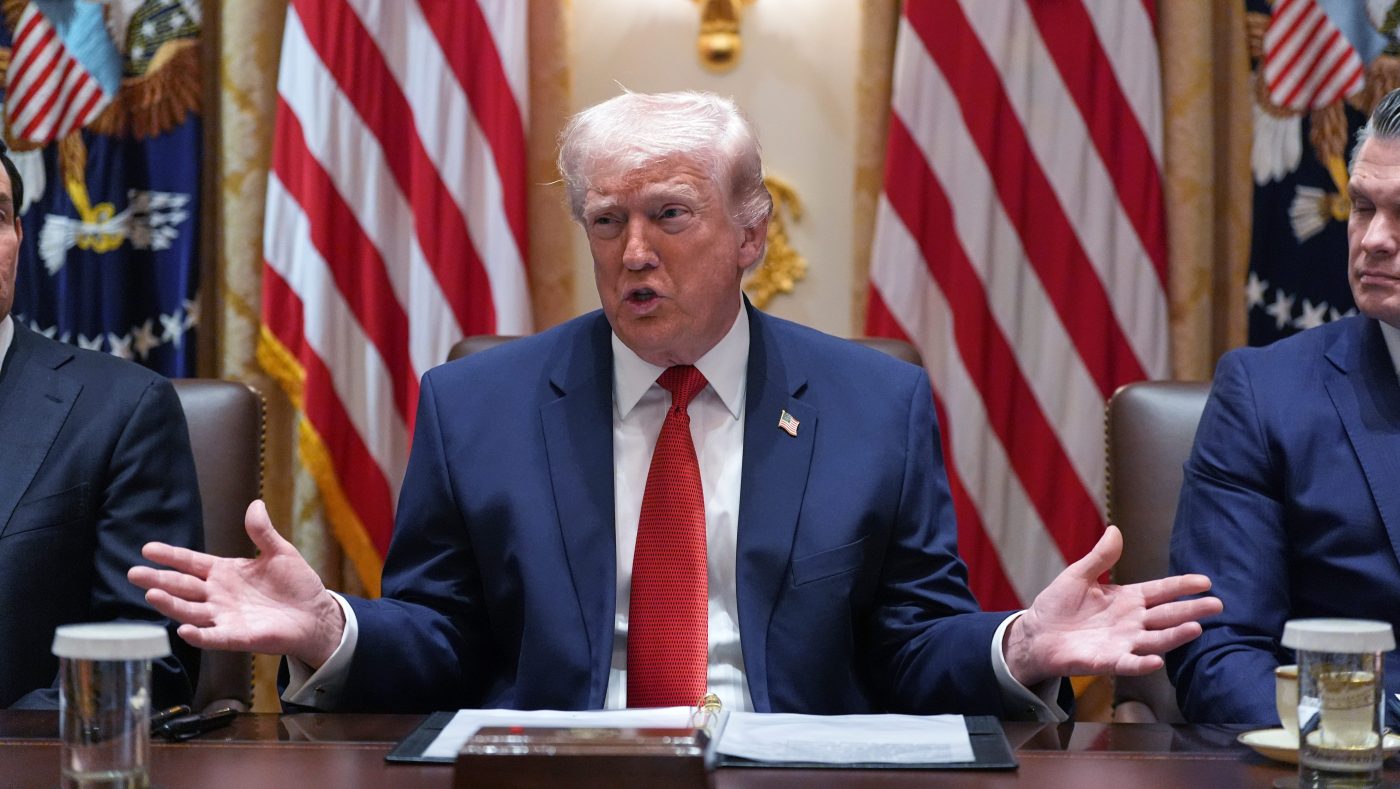
The fundamental disconnect between voter dissatisfaction and electoral outcomes reveals a deepening crisis in American governance. Congress operates with a historically low 16% approval rating, yet incumbents secured re-election at a 97% rate in the most recent cycle. This contradiction stems from voters who broadly condemn the institution while consistently endorsing their own representatives, creating a self-perpetuating cycle of dysfunction reinforced by gerrymandering and geographic political sorting.
From Institutional Distrust to Personal Doubt
This pattern of localized trust amid systemic skepticism previously manifested in attitudes toward elections. In 2024, while only 44% of voters expressed confidence in the accuracy of the national presidential count, 76% believed their own local elections would be fair. This gap, however, is rapidly closing. A recent Marist College poll shows a record low of 66% of voters now trust their local elections, with over one-third expressing little to no confidence. Notably, independents have surpassed Republicans in their skepticism, and Democrats are increasingly anxious, signaling a bipartisan erosion of faith.
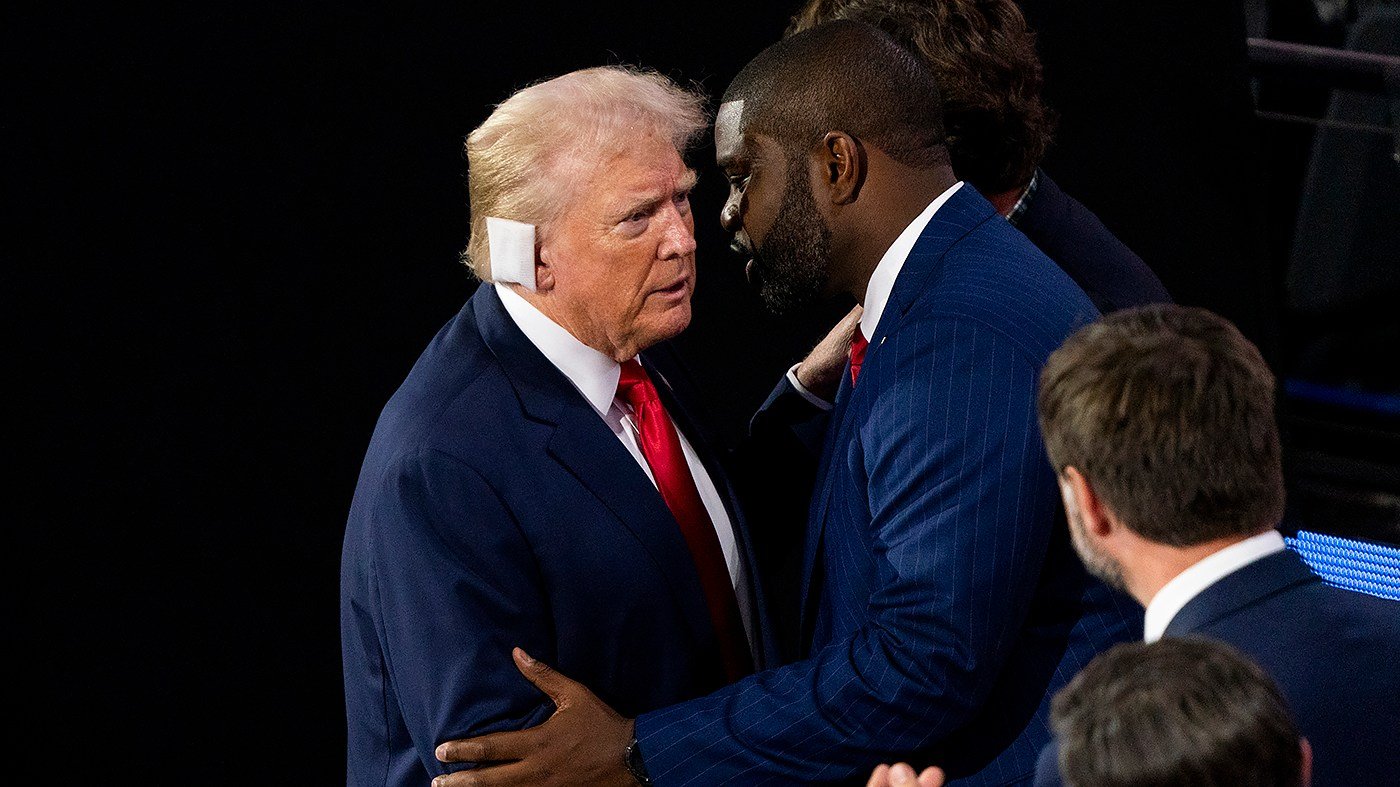
The decline is fueled by escalating political maneuvers. The actions of Riverside County, California, Sheriff Chad Bianco exemplify this trend. As a Republican candidate in a contentious gubernatorial primary, Bianco ordered the seizure of over 500,000 ballots from a 2024 state referendum—a measure that passed by millions of votes. While unlikely to alter the outcome, the high-profile move aligns him with broader claims of election fraud and signals to his constituents that even local processes may be compromised.
A Cycle of Escalation
The current environment stems from a years-long feedback loop. Former President Donald Trump amplified longstanding Republican suspicions of voter fraud, which Democrats countered with allegations of systemic disenfranchisement. The pandemic-era expansion of ballot access in 2020 intensified Republican claims, culminating in the January 6 Capitol attack. In response, Democrats pursued federal election reforms, and when that stalled, shifted to state-level efforts. Republicans have since pushed their own restrictive measures and investigations, with figures like Bianco adopting the playbook for local political advantage.
This escalation has tangible consequences. The persistent, often baseless, allegations of fraud and disenfranchisement have permeated the electorate, convincing growing numbers that not only national results but their individual ballots may be at risk. This environment threatens to depress voter participation and fundamentally challenges the legitimacy of representative government itself.
The political ramifications are widespread. As some Democratic lawmakers note, voter behavior often contradicts stated disapproval of Congress. Meanwhile, the focus on election integrity distracts from other legislative priorities, such as the green energy and tech regulatory agenda championed by Senate Democratic leadership.
Further complicating the landscape, the rhetoric around election security has begun to intersect with immigration enforcement. Proposals to deploy ICE agents to polling places, reminiscent of earlier controversies, resurface periodically. This aligns with a pattern of defiance within immigration enforcement agencies against Democratic policy preferences, potentially exacerbating voter intimidation concerns.
The cumulative effect is a political system trapped in a "doom loop"—high dissatisfaction yields little electoral change, which fuels more distrust and further radicalizes tactics. With investigations proliferating and trust in decline, the stage is set for heightened conflict during the next electoral cycle, posing a profound test for the stability and perceived legitimacy of American democracy.