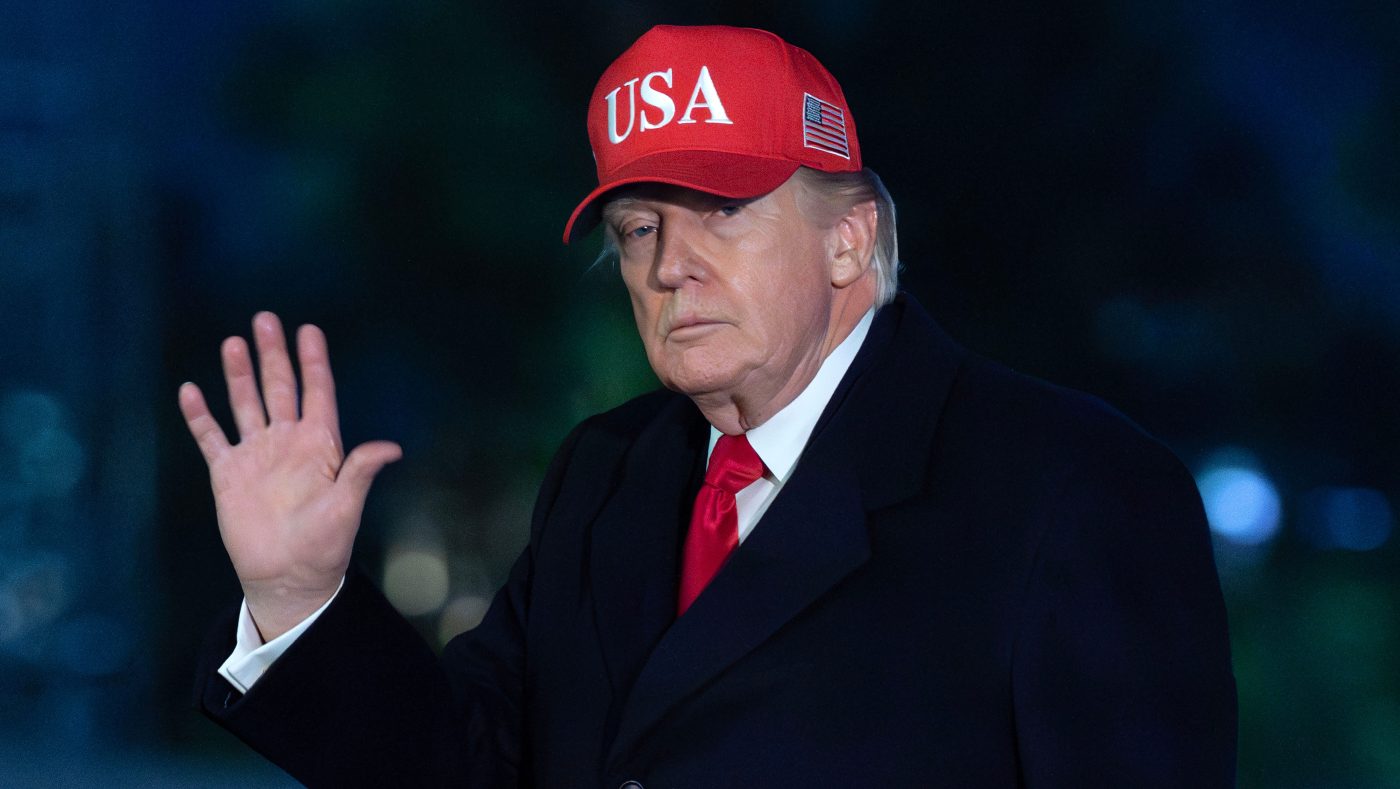
President Donald Trump has ordered the United States Navy to commence a blockade of the Strait of Hormuz, a critical global oil transit chokeline, effective Monday morning. This decisive military action follows a weekend of diplomatic negotiations with Iran that produced no tangible progress toward peace, casting serious doubt on the viability of the region's already fragile ceasefire.
Diplomatic Failure Leads to Military Escalation
The breakdown in talks represents a significant setback for international efforts to de-escalate the conflict that began in February. The immediate operational consequence is the enforcement of a full naval blockade, a move analysts warn will have immediate and severe repercussions for global energy markets and regional stability. The blockade is a stark demonstration of Trump's willingness to employ maximum pressure tactics, even at the risk of broader confrontation.
Trump's Public Clash with the Vatican
Simultaneously, the President has engaged in an extraordinary public feud with Pope Leo XIV. On Sunday night, Trump used his TruthSocial platform to label the pontiff "weak" for his consistent opposition to the war. The Pope responded directly on Monday, stating he is unafraid of the Trump administration's posture. This rupture between the White House and the Holy See is unprecedented in modern U.S. diplomacy and underscores the deeply polarizing nature of the Iran conflict.
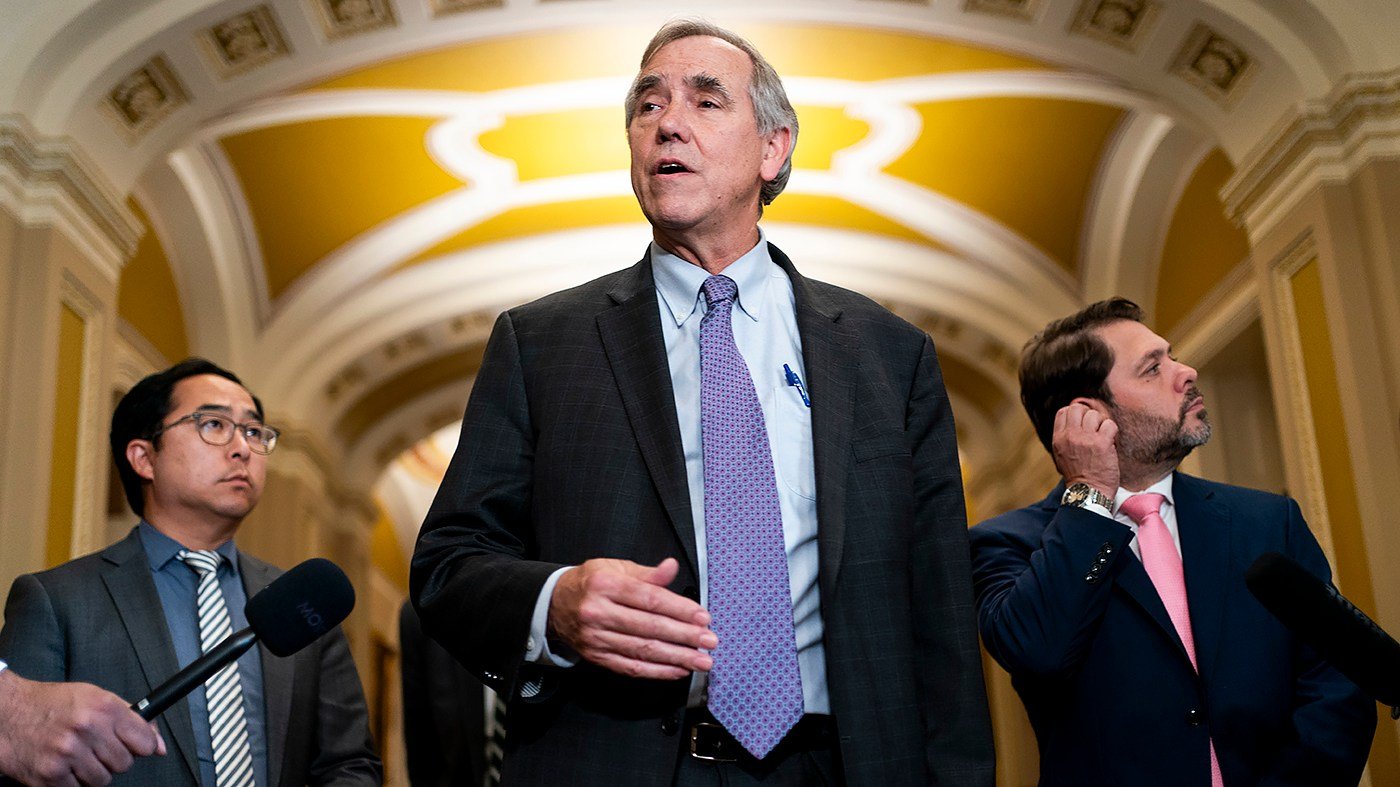
The President's approach has drawn criticism from allies and opponents alike. Some senior officials have expressed grave concerns, with former CIA Director John Brennan even invoking the 25th Amendment in response to Trump's threats, citing alarms over nuclear command authority. Meanwhile, key congressional figures like Senator Mark Warner have criticized the Hormuz blockade as economically illogical, warning of self-inflicted damage to the global economy.
A Congressionally Chaotic Return to Washington
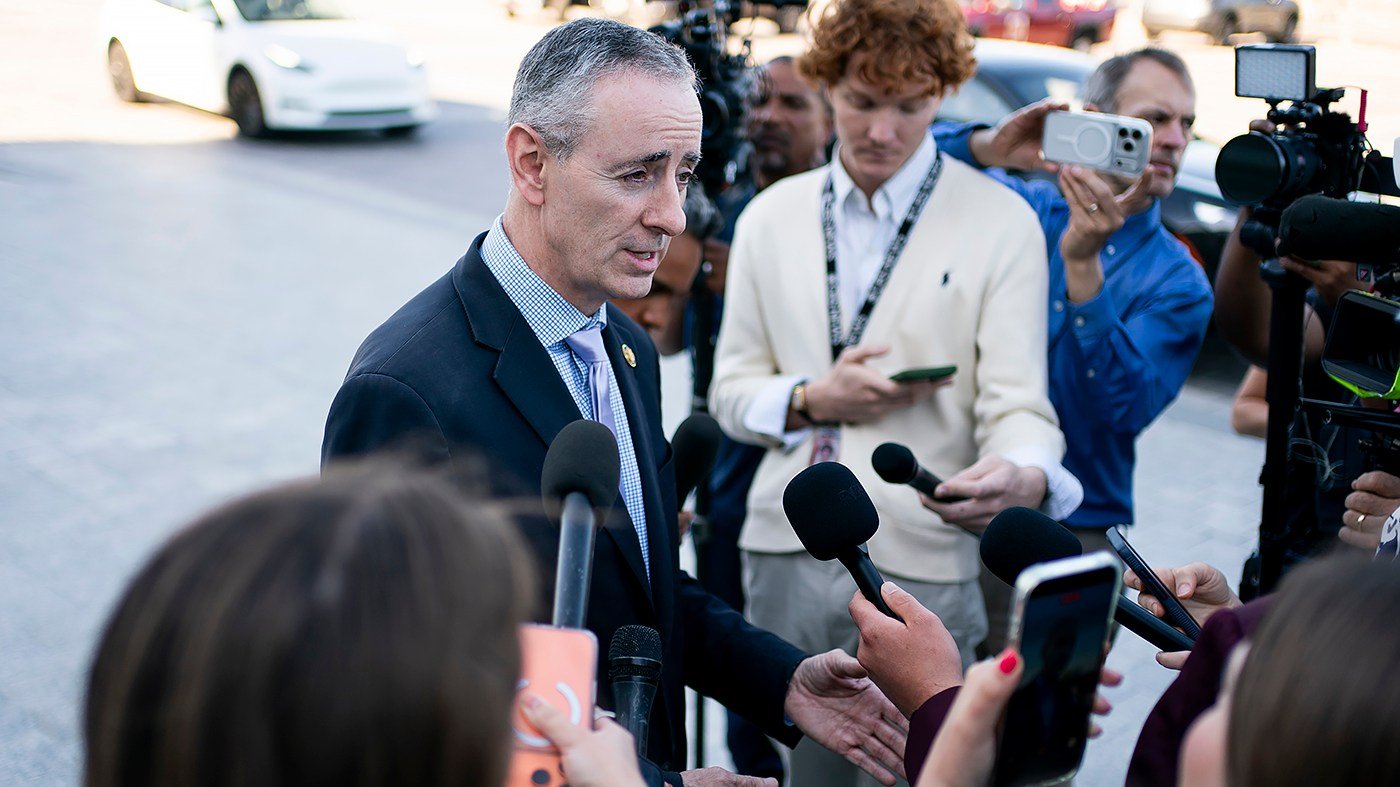
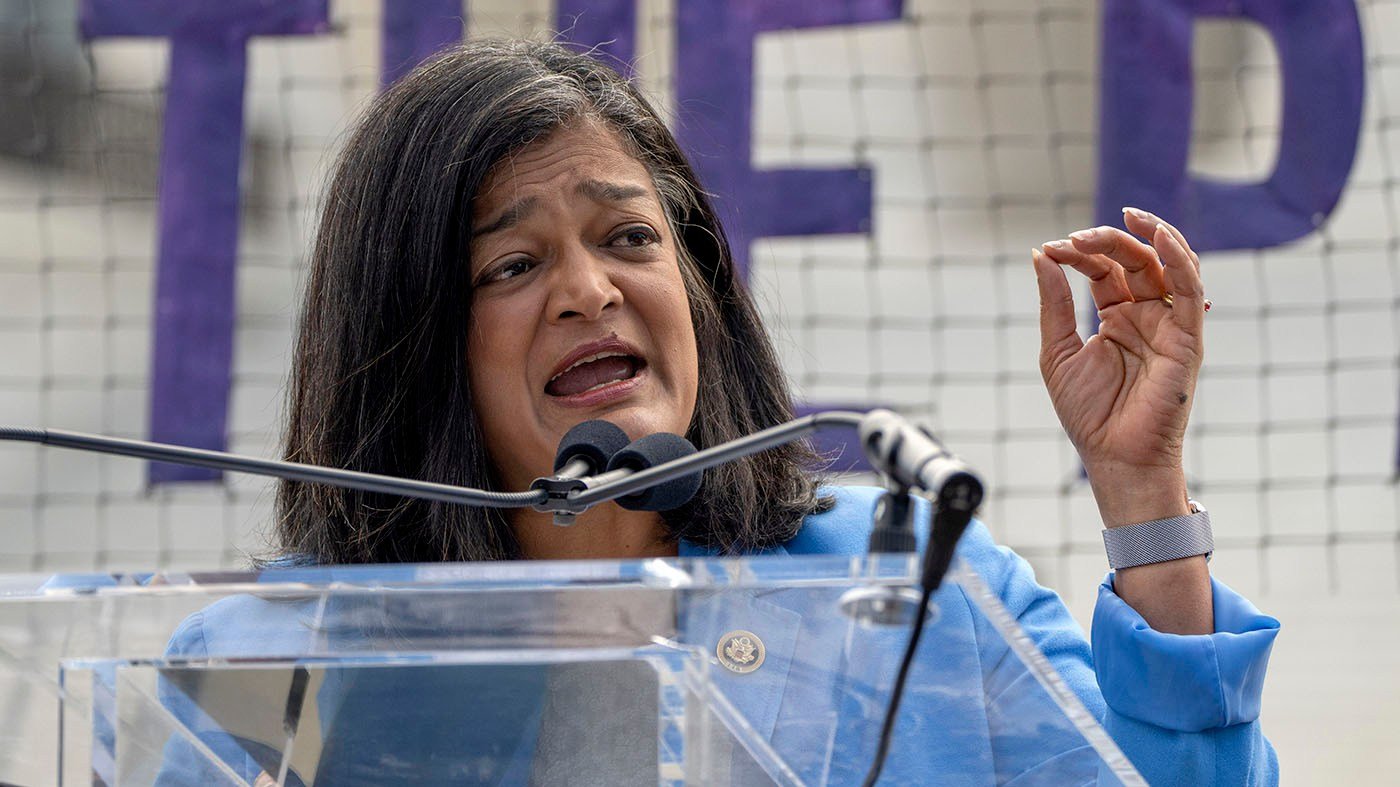
Lawmakers return to the Capitol on Monday facing a triple crisis. They must immediately grapple with the fallout from the escalated war in Iran, deep partisan divides over a pending national security bill, and a record-length partial government shutdown that has left Department of Homeland Security personnel without pay for two months.
The House is also poised to be engulfed by a scandal involving Representative Eric Swalwell (D-Calif.), who suspended his campaign for California governor on Sunday amid mounting sexual misconduct allegations. Calls to expel Swalwell and three other accused members are growing, guaranteeing a tumultuous start to the legislative session.
Broader Strategic and Political Repercussions
The decision to blockade the Strait of Hormuz is not taken in isolation. It follows Trump's earlier withdrawal from the Iran nuclear deal, a move Senator Tim Kaine has condemned as a historic foreign policy failure that paved the way for the current crisis. Furthermore, the President's rhetoric throughout the conflict has been notably charged, employing what analysts call unprecedented civilizational language for a U.S. commander-in-chief.
Internationally, the move strains alliances. Notably, it comes shortly after a major political shift in Hungary, where Prime Minister Viktor Orbán's long rule ended in an election upset—a development seen as a significant blow to Trump's network of allied leaders in Europe.
President Trump's schedule for Monday includes a series of meetings ahead of hosting the King and Queen of the Netherlands for a dinner with the First Lady. The juxtaposition of high-stakes military action, diplomatic rupture, and formal state hospitality highlights the volatile and multifaceted nature of the current political moment.