The U.S. Court of International Trade has ordered the head of Customs and Border Protection to appear at a hearing next month to answer questions about how the Trump administration is handling the refund of tariffs that the Supreme Court recently ruled illegal.
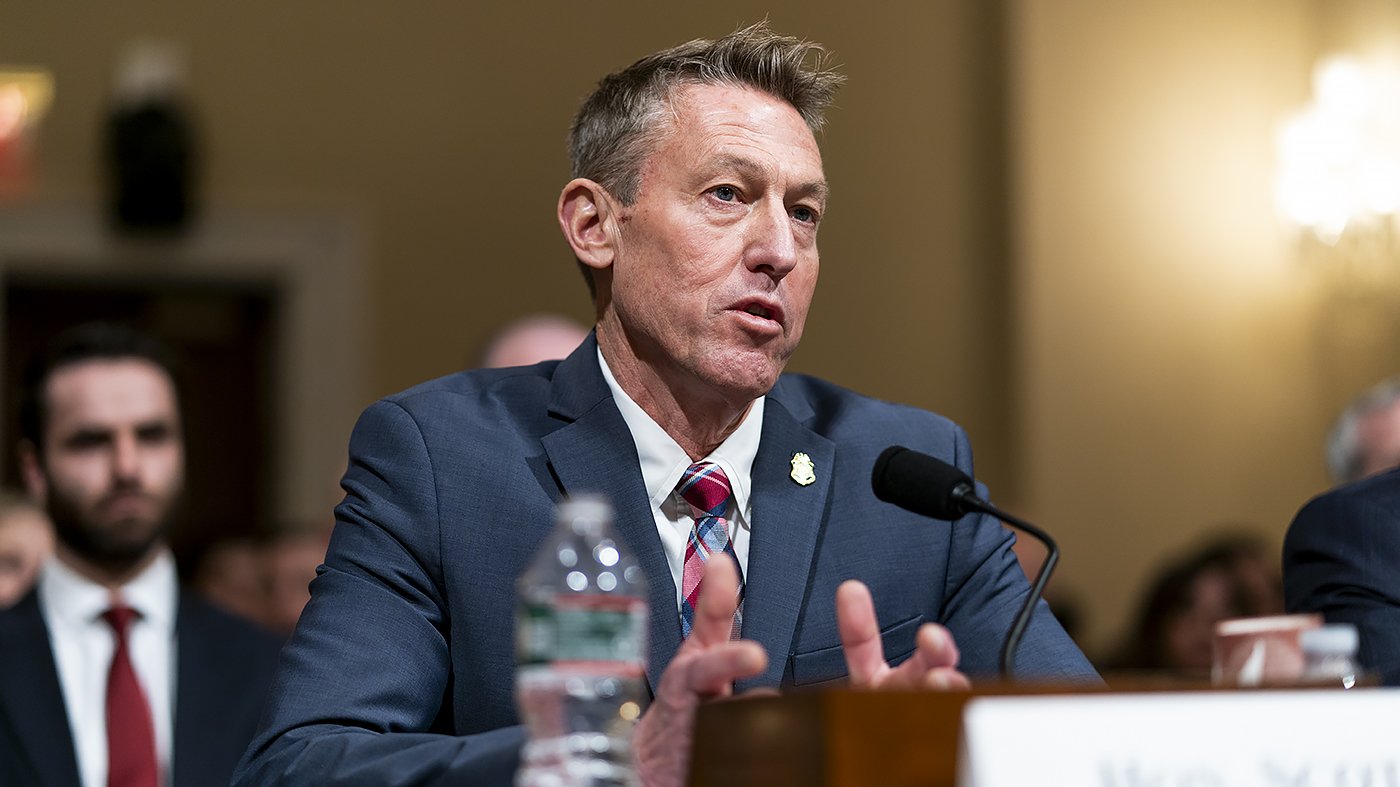
Commissioner Rodney Scott must appear in person at the New York court on June 9 to testify about the government's progress in returning billions of dollars collected under emergency tariffs imposed under the International Emergency Economic Powers Act, according to the court order issued Wednesday.
The hearing follows the Supreme Court's decision to strike down the tariffs, which the administration had justified as a national security measure. The high court ordered the return of all revenue generated from the levies but left it to lower courts and agencies to determine the refund mechanism.
Roughly 330,000 importers collectively paid $166 billion under President Trump's emergency tariff regime, and they are now waiting for their money back. Customs and Border Protection has set up an online portal for companies to apply for refunds, but the process has been slow and fraught with legal hurdles. Some previous rulings indicate that companies may need to file lawsuits before customs authorities finalize their tariff assessments; hundreds have already done so.
President Trump has publicly urged companies not to seek refunds, warning that he will remember those who do. “If they don’t do that, I’ll remember them,” Trump said in a CNBC interview, a remark that critics say amounts to political pressure on businesses to forgo legally owed money.
Customs and Border Protection has said refunds will take 60 to 90 days to review and process, with payments issued electronically. The first wave of claims will prioritize customs entries that were liquidated or finalized within the preceding 80 days, according to reports.
The court’s order for Scott to testify in person underscores the judiciary’s impatience with the pace of refunds and the lack of a clear process. The case echoes broader concerns about executive overreach, similar to the scrutiny faced by other agencies. For instance, former judges have urged courts to probe a separate Trump-era IRS settlement and a $1.78 billion fund, highlighting a pattern of legal challenges to administration financial decisions.
Meanwhile, the refund process has sparked debate about how to best use the returned funds. Some policy advocates argue that allocating $166 billion in tariff refunds toward early childhood investments could yield long-term benefits, though no official plan has been proposed.
The June 9 hearing is expected to draw significant attention from importers, trade lawyers, and political observers as the court presses the administration for answers on a refund process that affects hundreds of thousands of businesses.