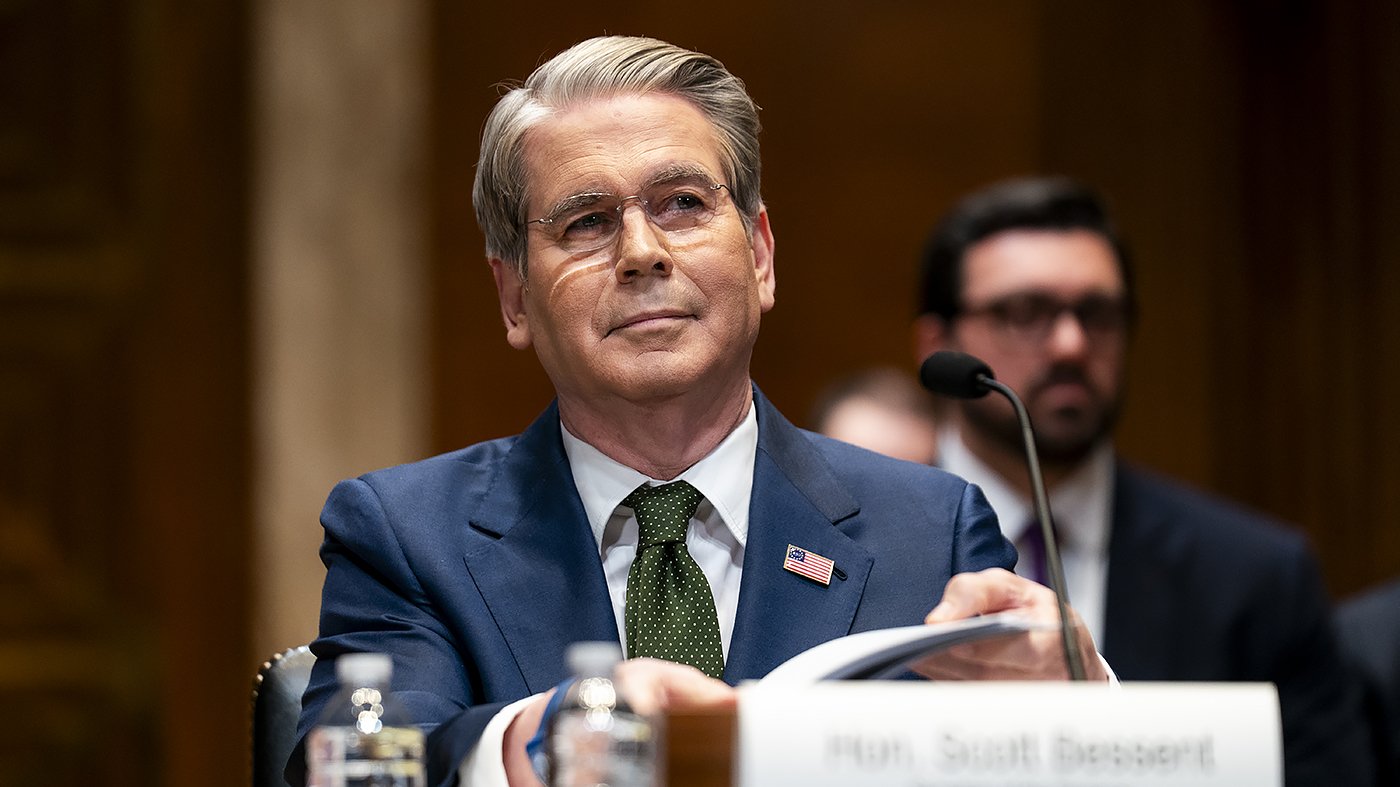
Treasury Secretary Scott Bessent escalated his warnings to Oman on Thursday, following President Donald Trump's blunt threat that the Gulf nation should “behave or we’ll have to blow ’em up.” The exchange marks a sharp new phase in the ongoing confrontation over control of the Strait of Hormuz, a vital chokepoint for global oil shipments.
“The United States Government will not tolerate any effort to impose a tolling system in the Strait of Hormuz,” Bessent wrote in a social media post, directly referencing a reported proposal between Oman and Iran to jointly manage the waterway. The Treasury chief’s statement came a day after Trump, during a Cabinet meeting, dismissed the idea of allowing any nation to levy fees on oil tankers transiting the strait. “No, the strait’s got to be open to everybody; it’s international waters,” Trump told reporters. “We’ll watch over it, but nobody’s going to control it. That’s part of the negotiation that we have.”
The Strait of Hormuz has become a flashpoint amid negotiations to end the war in Iran. Roughly one-fifth of the world’s daily oil consumption passes through the narrow waterway, and its partial closure during the conflict has driven global energy prices sharply higher. The Trump administration has already imposed a naval blockade on Iranian ports in the strait and, on Wednesday, the Treasury Department sanctioned the Persian Gulf Strait Authority, an entity created by Tehran to manage the passage. The sanctions target any individual or entity cooperating with the authority.
Iran responded Thursday by publicly backing Oman against U.S. threats. “Oman, in particular, should know that the U.S. Treasury will aggressively target any actors involved — directly or indirectly — in facilitating tolls for the Strait and any willing partners will be penalized,” Bessent wrote. He added, “All nations should reject outright any efforts by Iran to disrupt the free flow of commerce. Tehran’s days of terrorizing the region and the world are over.”
The Treasury’s actions are part of a broader pressure campaign the administration calls “Economic Fury.” Bessent said Wednesday that the U.S. has “imposed a financial stranglehold on the world’s leading state sponsor of terrorism,” and that the Treasury has “deprived the Iranian regime of revenue for their weapons programs, terrorist proxies and nuclear ambitions.” The sanctions framework is similar to the one used in earlier Treasury actions targeting Iran's strait authority as an extortion scheme.
The dispute over the Strait of Hormuz also intersects with broader U.S. energy strategy. The administration has been exploring alternative energy routes, including potential access to Central Asian energy supplies, which could reduce reliance on the Persian Gulf chokepoint. Bessent is scheduled to deliver a press briefing at the White House later Thursday, where he is expected to provide further details on the administration's next steps.