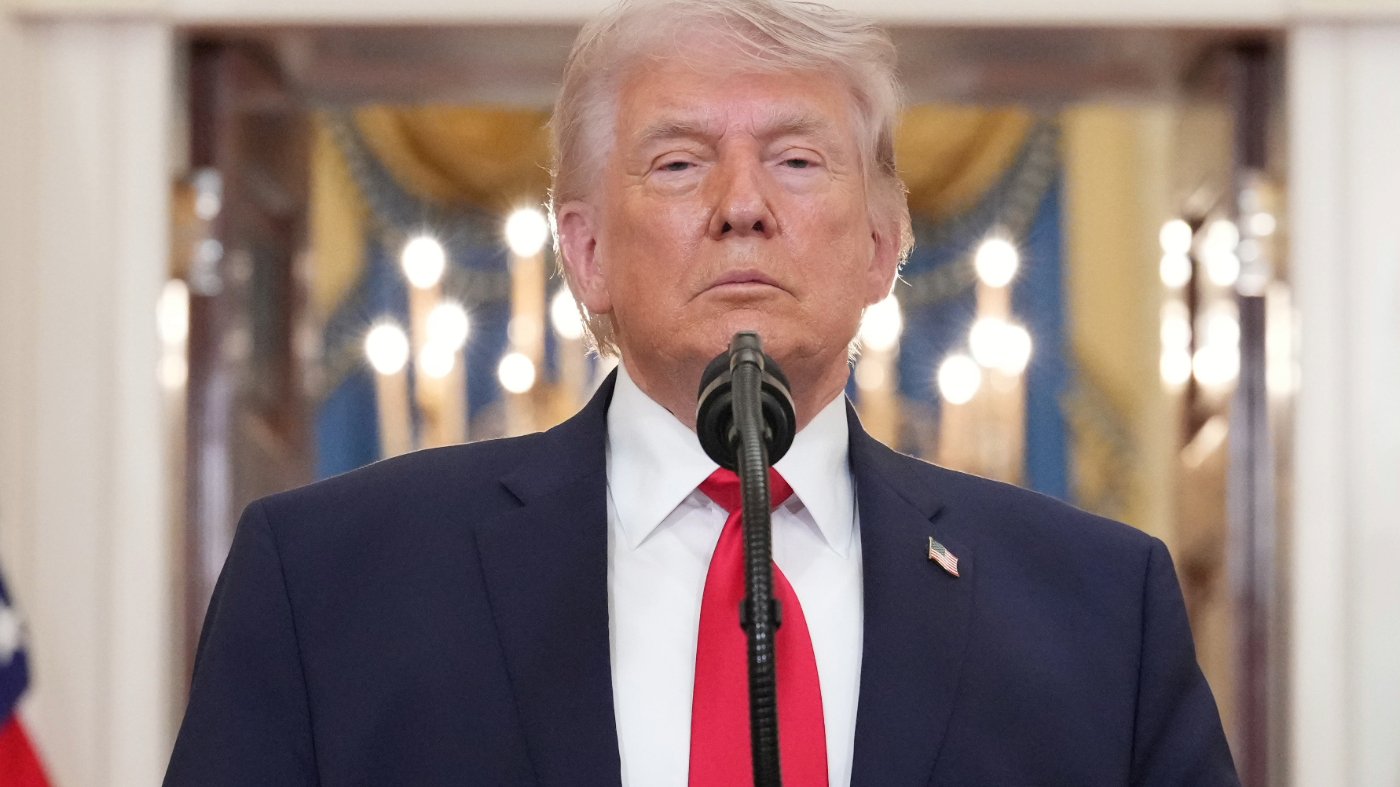
President Donald Trump issued an unprecedented warning to Iran this week, declaring on social media that failure to meet his deadline for reopening the Strait of Hormuz would result in civilizational destruction. "A whole civilization will die tonight, never to be brought back again," Trump wrote, adding the event would be "one of the most important moments" in world history. While he later announced a two-week ceasefire, the rhetoric marks a dangerous departure from established norms of presidential communication.
The Language of Annihilation
Strategic analysts and foreign policy experts immediately recognized the statement as crossing into territory no American president has publicly ventured. The threat to erase a civilization—particularly one as historically significant as Iran—cannot be accomplished through conventional warfare alone. The statement strongly implies, without explicitly stating, that nuclear options were being considered, creating what experts describe as a deliberately destabilizing ambiguity. This ambiguity weakens decades of fragile nuclear restraint and potentially invites other nuclear powers to contemplate their own "first use" scenarios.
Even setting aside nuclear implications, Trump explicitly threatened devastating strikes against Iran's national infrastructure if demands went unmet. Legal experts warn that targeting systems "indispensable to civilian survival"—such as electricity grids and major transportation networks—likely violates international humanitarian law and the Geneva Conventions. The strategic consequences would be catastrophic: creating chaos, triggering a massive refugee crisis, endangering U.S. forces and allies, and shocking global energy markets. This approach follows a pattern of aggressive posturing toward Tehran, including the controversial naval blockade order for the Strait of Hormuz after negotiations collapsed.
International and Domestic Recoil
The international response was swift and unequivocal. France's foreign minister stated the obvious: "One does not erase a civilization." The Pope described threats against entire populations as "truly unacceptable." These were not fringe reactions but sober assessments from global leaders recognizing rhetoric that responsible statesmanship should reject.
Domestically, the danger lies in normalization. Treating such statements as merely another Trump outburst risks allowing democracies to "drift into disaster," as the article warns. When a president repeatedly issues ultimatums and speaks casually about irreparable destruction, the danger extends beyond immediate action to what institutions fail to do in response. This incident follows other controversial foreign policy moves, including what critics like Senator Tim Kaine have labeled a historic foreign policy failure in withdrawing from the Iran nuclear deal.
Institutional Checks and Strategic Imperatives
Congress must now exercise its oversight role with urgency. Bipartisan hearings should examine the legality of contemplated strikes on civilian infrastructure, clarify the administration's war aims, review the chain of command, and determine whether nuclear options have been formally discussed. Congressional leaders should demand a formal public clarification from the White House and Pentagon that the United States is not considering nuclear use and will not target civilian survival systems.
Former presidents, vice presidents, senior military leaders, and national security officials should deliver a unified message: America does not threaten civilizations, embrace collective punishment, or permit one individual's impulses to endanger global stability. What's at stake transcends Iran—it concerns the legal and moral limits of American power and whether the United States remains governed by law rather than presidential whim.
The world can withstand hard bargaining and coercive diplomacy. It may not survive a presidency that publicly toys with visions of civilizational death. As the administration faces scrutiny on multiple fronts, including controversial domestic spending justified by national security claims, this moment demands clear institutional boundaries.
Social media commentary reveals a disturbing divide, with some supporters dismissing the statement as bluster while others openly endorse civilizational eradication—even through nuclear means. While Trump may have support from figures like Secretary of Defense Pete Hegseth, he must hear unambiguous rejection from Congress, allies, and the American public that such threats are fundamentally repugnant to national values and global security.