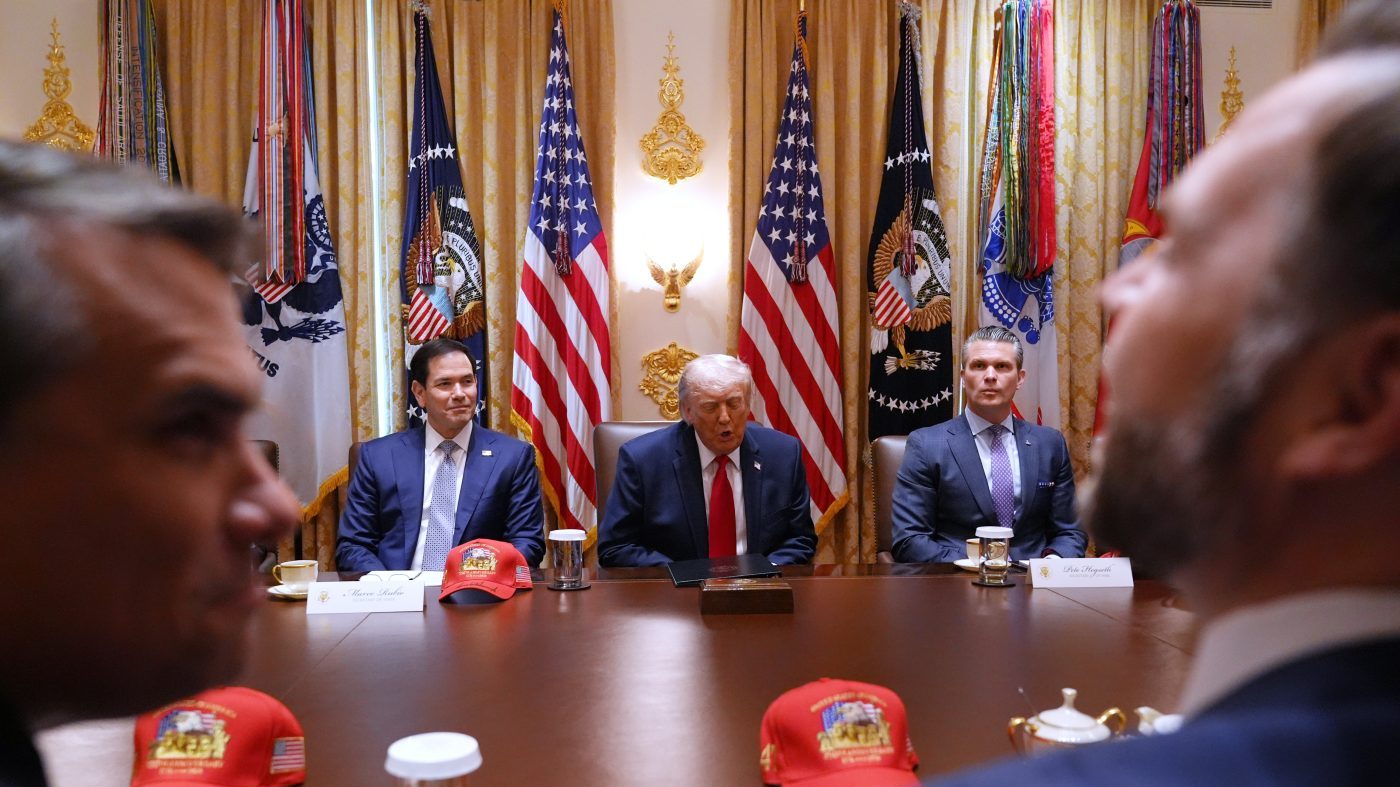
President Trump’s lengthy remarks on Iran during a Cabinet meeting Wednesday left more questions than answers, as his statements oscillated between toughening U.S. demands and hinting at flexibility. The core issues—what a potential agreement would look like and where Trump draws his red lines—remain shrouded in ambiguity, according to multiple sources familiar with the discussions.
This uncertainty has stalled progress toward ending a conflict that began three months ago with a joint U.S.-Israeli strike. While both sides occasionally strike a cautiously optimistic tone, no final deal appears imminent, and significant gaps persist, particularly over Iran’s nuclear program and regional influence.
Israel’s Role and Lebanese Front
A third major variable is Israel, which continues to bomb Lebanon. Reuters reported over 120 Israeli airstrikes on Tuesday alone. Iranian negotiators insist any comprehensive deal must also address the situation in Lebanon, but it remains unclear whether Trump or Israeli Prime Minister Benjamin Netanyahu will agree to that linkage.
Trump’s most attention-grabbing comment Wednesday veered into U.S. domestic politics. Early in the meeting, he claimed Iranian leaders “thought they were going to out-wait me, you know. ‘We’ll out-wait him. He’s got the midterms.’ I don’t care about the midterms.” That dismissal of the November elections likely raised eyebrows among congressional Republicans, though Trump quickly added, “Look what happened last night. That was the prelude to the midterms.”
The reference was almost certainly to Texas Attorney General Ken Paxton’s GOP Senate primary victory over incumbent John Cornyn, a race where Trump’s endorsement proved decisive. However, some party strategists worry that Paxton, with his legal baggage, may be a weaker general election candidate against Democratic state Rep. James Talarico, whose chances are bolstered by voter discontent over rising prices tied to the Iran war.
Oil Prices and the Strait of Hormuz
Oil prices have edged down in recent days on growing optimism about a U.S.-Iran deal. When asked about a possible short-term arrangement with Oman to facilitate shipping through the Strait of Hormuz, Trump took a hard line: “Nobody’s going to control it. It’s international waters, and Oman will behave just like everybody else, or we’ll have to blow ’em up. They understand that. They’ll be fine.” Oman is traditionally a key U.S. ally in the region.
On the nuclear front, Trump said he would not be “comfortable” with a third country like Russia or China taking custody of Iran’s enriched uranium stockpile. This appears to close off a potential compromise that would avoid either U.S. seizure or Iranian retention of the material.
Yet Trump also softened a previous demand that other nations join the Abraham Accords as part of any Iran deal. When asked if a deal might be contingent on more countries normalizing ties with Israel, he demurred: “I don’t know; I don’t want to say that. I’m not going to give you what’s contingent, what’s not.” He added, “We can make a good deal right now, but maybe not a great deal. And if it’s not a great deal, we’re not making it. Because we can make a great deal with this guy right here”—motioning to Defense Secretary Pete Hegseth—“but it’s a lot nastier.”
There is also semantic confusion over sanctions and frozen assets. Trump at one point declared, “No sanctions, no money, no nothing,” but quickly added the U.S. might release “their money” if Iran “behave[s] properly and when they do what’s right.”
War Fatigue and Political Calculus
One clear bottom line: a return to all-out war would roil markets, sap economic optimism, and intensify public skepticism. An Economist/YouGov poll last week found only 30% of Americans support the war, with 60% opposed. It remains uncertain whether Trump sees any political advantage in renewed conflict that outweighs those costs.
For more on the administration’s global posture, see our coverage of the new Ebola quarantine hub in Kenya for exposed Americans. Meanwhile, the midterm landscape is shifting: Latino voters are cooling on Trump but not embracing Democrats, and Talarico claims Trump backers are quietly defecting in the Texas Senate race.