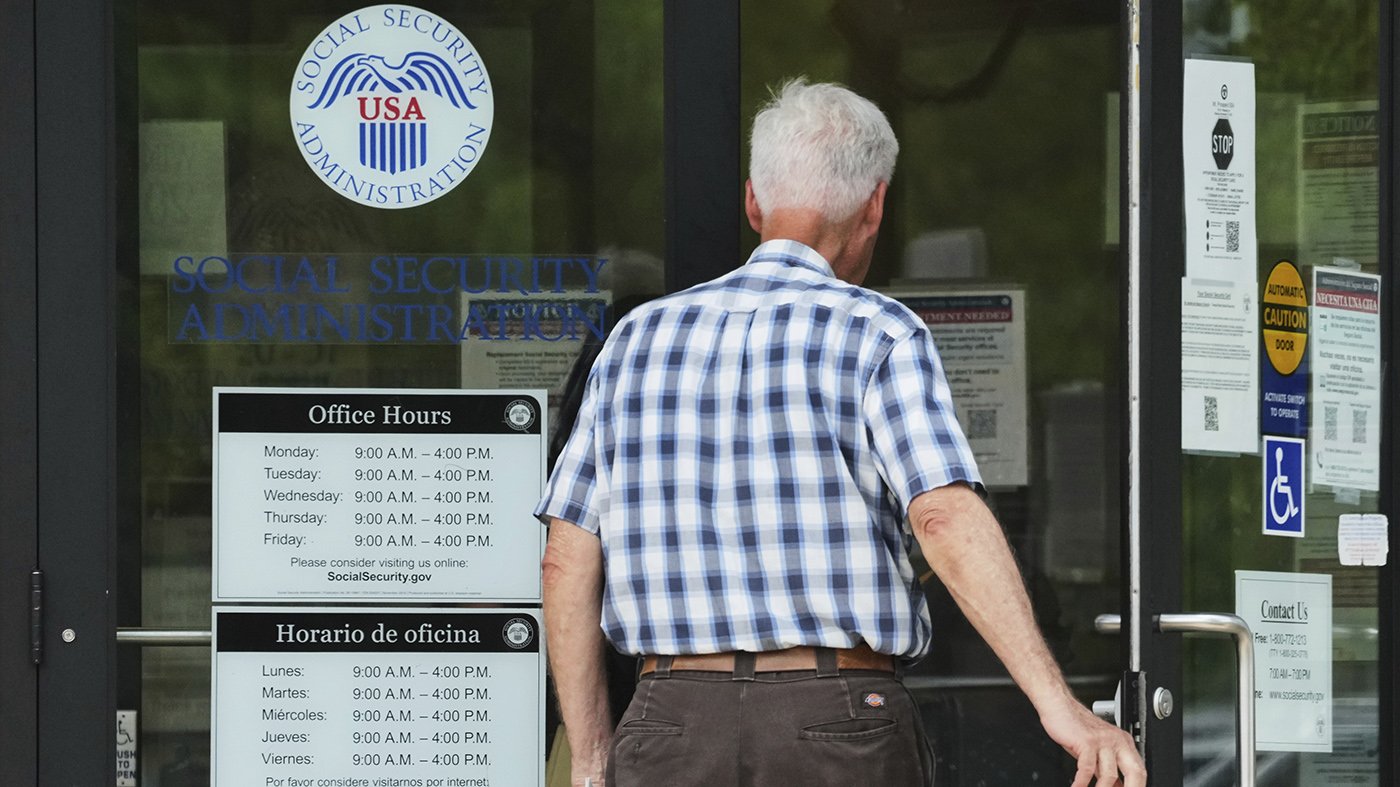
President Trump is signaling a major shift in retirement policy, pointing to Australia's mandatory savings system as a blueprint for overhauling Social Security. Speaking at a White House event Monday, Trump said the Australian model could put American workers in “much better shape” by retirement age, and his administration is “looking at that very strongly.”
Under Australia's system, employers contribute 12% of each worker's earnings into tax-advantaged retirement accounts managed by private funds. Launched in 1992, the system now holds nearly $4.5 trillion in assets, according to the Center for Retirement Research at Boston College. In contrast, the U.S. relies on a pay-as-you-go structure where workers and employers pay 12.4% in Social Security taxes to fund current retirees.
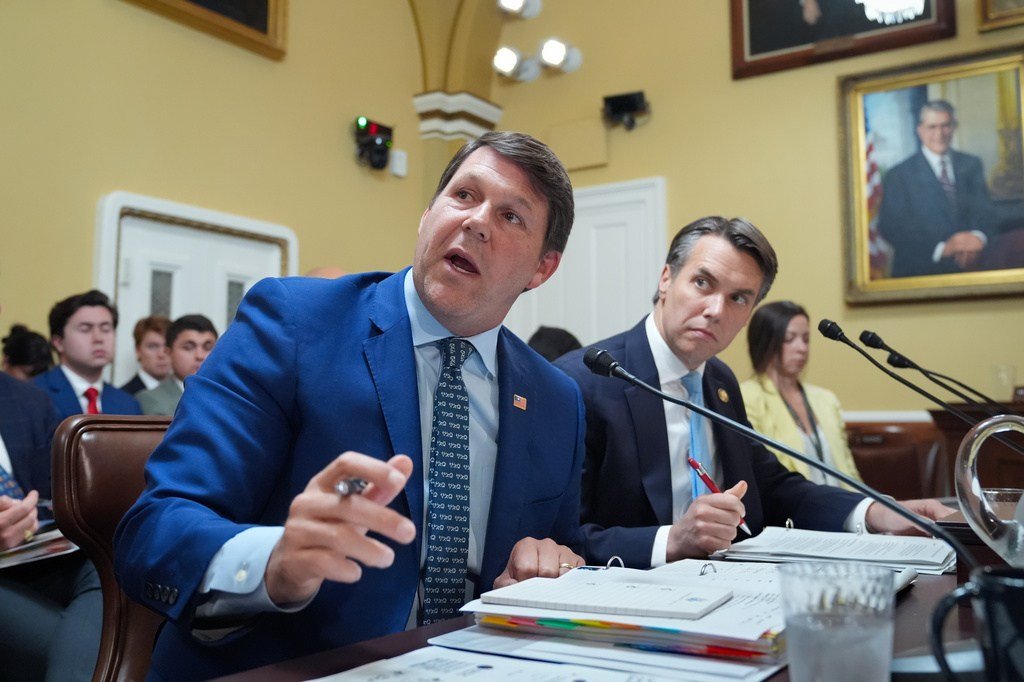
Trump’s comments come as Social Security faces a looming insolvency crisis. A June report from the program’s trustees projected that the Old-Age and Survivors Insurance Trust Fund will be able to pay full benefits only through the fourth quarter of 2032—one quarter earlier than previously estimated. That urgency has revived debate about structural reforms.
“We’re going to be taking that, and we’re going to be maybe making it a little bit sharper, a little bit even better,” Trump said during a Rose Garden lunch celebrating the launch of his Trump Accounts for kids. He added that the administration would consult Congress on implementation. The White House declined to provide further details, referring inquiries back to the president’s remarks.
Romina Boccia, director of budget and entitlement policy at the Cato Institute, said Australia’s system avoids the massive unfunded liabilities plaguing U.S. Social Security. “The gap between what Congress has promised to seniors and what it is expected to collect from workers now exceeds $30 trillion over the long term,” she noted. However, she warned that transitioning would require younger workers to fund both their own private accounts and existing benefits for retirees.
Mark Warshawsky, a senior fellow at the American Enterprise Institute, was more optimistic. “The great advantage of the Australian system is it’s not a budget buster like our Social Security,” he said, calling it “well-balanced and popular.” He argued that after a transition period, the model could work in the U.S., though it needs “a lot more thought.”
Not all experts are convinced. Alicia Munnell of the Center for Retirement Research argued that while Australia scores higher on global pension indexes, the U.S. should focus on fixing its existing system rather than adopting a new one. “I just don’t feel like we would gain anything from Australia,” she said, adding that reforms have been understood for decades.
Trump first floated the idea in December while announcing a $6.25 billion donation from Michael and Susan Dell for the Trump Accounts. He described Australia’s plan as “very good” and “really worked out very well.” The push comes amid broader Republican efforts to reshape entitlement programs, a politically sensitive issue that has divided the party. Internal GOP rifts over Trump’s policy agenda could complicate any legislative path forward.
As the debate intensifies, the Australian model offers a stark contrast to the U.S. system’s reliance on payroll taxes and government-managed trust funds. Whether Trump can translate his interest into legislation remains uncertain, but the discussion signals a potential pivot toward privatization that could reshape retirement security for millions of Americans.