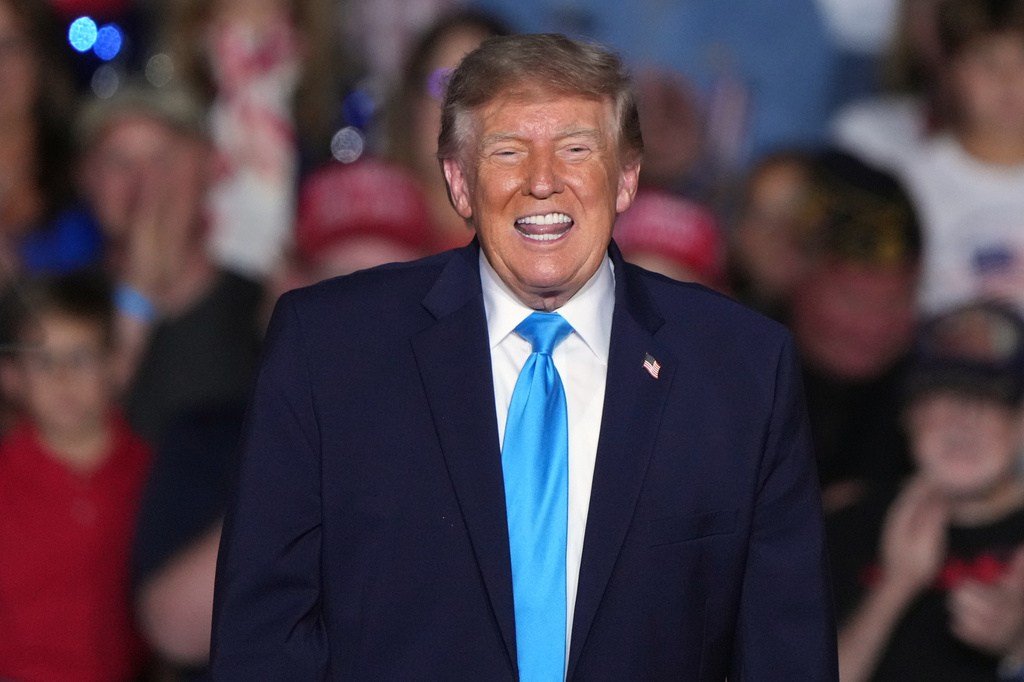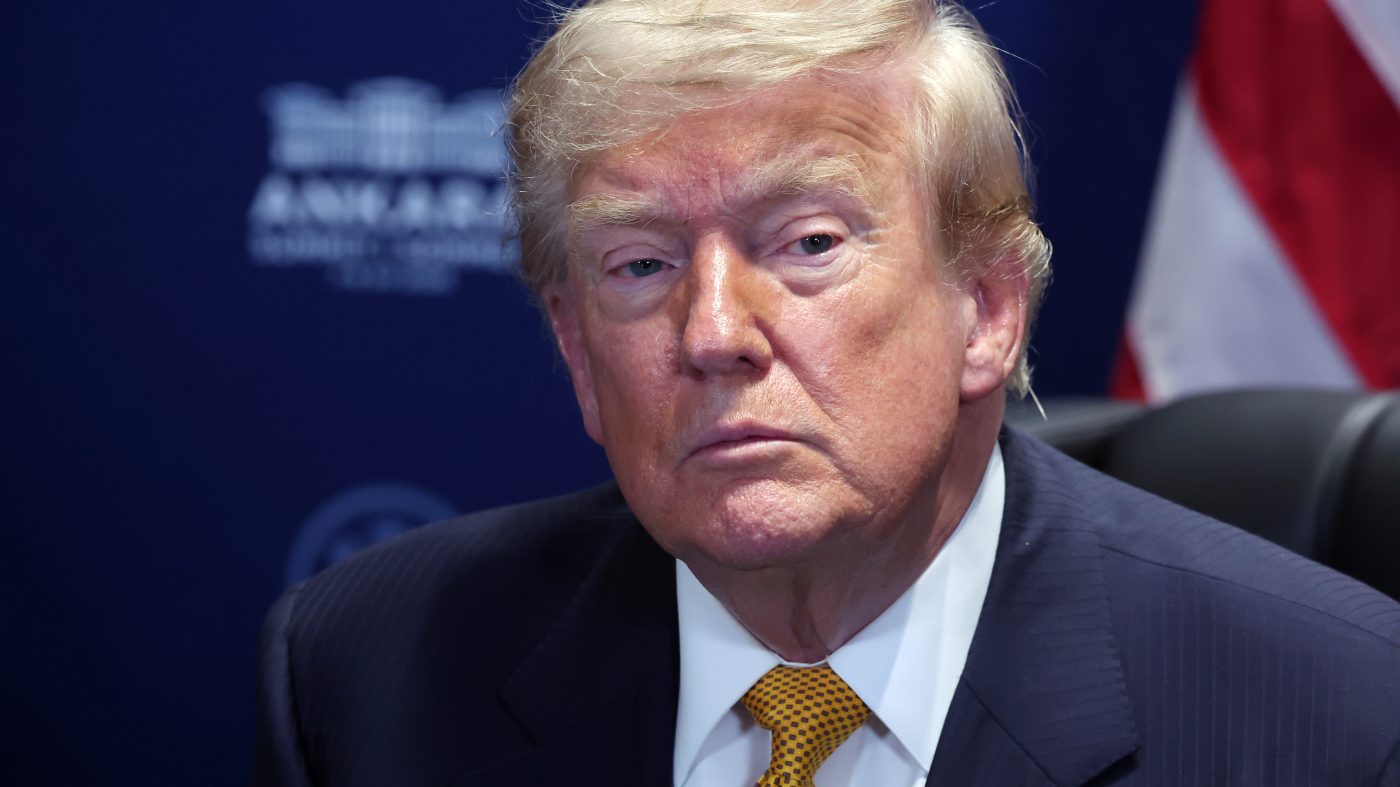
President Trump is set to address the NATO summit on Wednesday morning, following a series of confrontations with U.S. allies over the conflict with Iran, defense spending, and trade. The speech, scheduled to begin around 9:15 a.m. EDT, comes at a critical juncture for the alliance, as flashpoints multiply both within and outside NATO's borders.
In recent days, Trump has defended the potential sale of F-35 fighter jets to Turkey, downplaying concerns that Ankara's purchase of a Russian missile defense system could compromise NATO security. This stance has put him at odds with many alliance members, who view the Russian system as a direct threat. The issue is one of several that have strained relations, as detailed in an analysis of the key flashpoints at the summit.
Early Wednesday, Trump also declared that an interim ceasefire deal with Iran is "over," following a series of tit-for-tat strikes in the Strait of Hormuz. The collapse of the truce marks a significant escalation in tensions between Washington and Tehran. The administration had previously launched major strikes on Iran after attacks in the strategic waterway, a move that heightened fears of a broader conflict.
In a separate confrontation, Trump took aim at Spain for failing to meet NATO's defense spending target of 2% of GDP. Speaking alongside NATO Secretary-General Mark Rutte, the president criticized Madrid's refusal to boost its military budget, a longstanding grievance that has fueled tensions within the alliance. The dispute has even led to threats of a trade cutoff, as reported in coverage of Trump's demand for a total trade cutoff with Spain.
The summit is unfolding against a backdrop of broader global instability. Russia's ongoing war in Ukraine continues to dominate discussions, with recent strikes on Kyiv killing four civilians as Ukrainian President Volodymyr Zelensky met with Trump in Turkey. Meanwhile, the alliance is also grappling with internal divisions, including Trump's controversial push to acquire Greenland, which a former NATO envoy warned has shattered trust among member states.
Trump's remarks are expected to touch on these issues, as well as his broader vision for the alliance. However, his confrontational approach has left many allies uneasy. The president's recent actions—from the Iran ceasefire collapse to the F-35 dispute—have underscored a transactional view of NATO that prioritizes U.S. interests over collective security.
As the summit continues, the question remains whether Trump can bridge these divides or whether the alliance will face further fractures. His speech, which will be closely watched by diplomats and policymakers, may offer clues about the future direction of U.S. foreign policy under his administration.