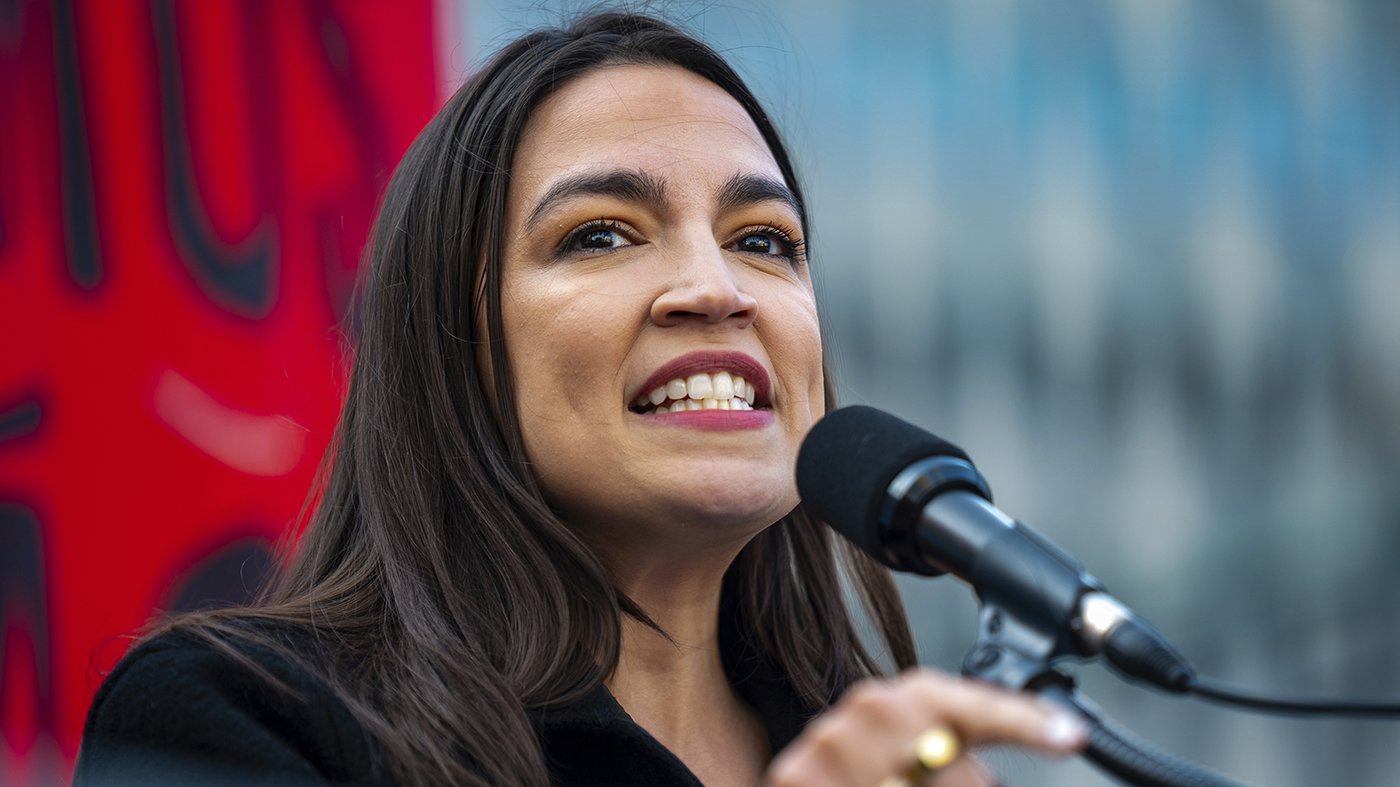
Rep. Alexandria Ocasio-Cortez (D-N.Y.) finally endorsed progressive Abdul El-Sayed in Michigan’s competitive Senate Democratic primary last week, but the move came more than a year after Sen. Bernie Sanders (I-Vt.) and Rep. Ro Khanna (D-Calif.) had already backed him and campaigned in the state. The delay underscores a growing pattern of caution that has begun to frustrate the left flank of the party.
Ocasio-Cortez is widely seen as a potential 2028 presidential contender, but her reluctance to endorse fellow socialists in House primaries could undermine the grassroots network she would need for a national campaign. While Sanders has been prolific in endorsing progressive challengers—including four democratic socialists who won House primaries in eight days last week—Ocasio-Cortez has stayed on the sidelines.
In Colorado, activist Melat Kiros unseated a 15-term incumbent Democrat with Sanders’s backing. In New York City, three socialists won primaries, two of them against incumbents, and received endorsements from Sanders and Mayor Zohran Mamdani. Ocasio-Cortez endorsed none of them.
“The galling reality is that the Ocasio-Cortez of 2026 would probably not have endorsed the Ocasio-Cortez of 2018,” wrote Norman Solomon, cofounder of RootsAction, in a sharp critique. Eight years ago, Ocasio-Cortez was the upstart who defeated powerful 10-term Rep. Joe Crowley. Now, as Axios noted in June, she “has avoided backing left-wing insurgents trying to unseat Democratic House incumbents.”
This hesitancy has become a political liability. By refusing to endorse progressives in competitive primaries against incumbent Democrats, Ocasio-Cortez has implicitly spurned those trying to follow her path to Congress. Her image as a political powerhouse has dimmed, even as her star power remains undiminished.
To be fair, Ocasio-Cortez has backed progressive candidates in New Jersey, Pennsylvania, Montana, and California this year. And every officeholder must be selective with endorsements. But her pattern of staying neutral in tight races against mainstream Democrats has become conspicuous—and damaging.
All of this could come back to haunt her if she runs for higher office in 2028, whether for Senate or the White House. She will need fervent support from a base that trusts her. That trust is now at risk.