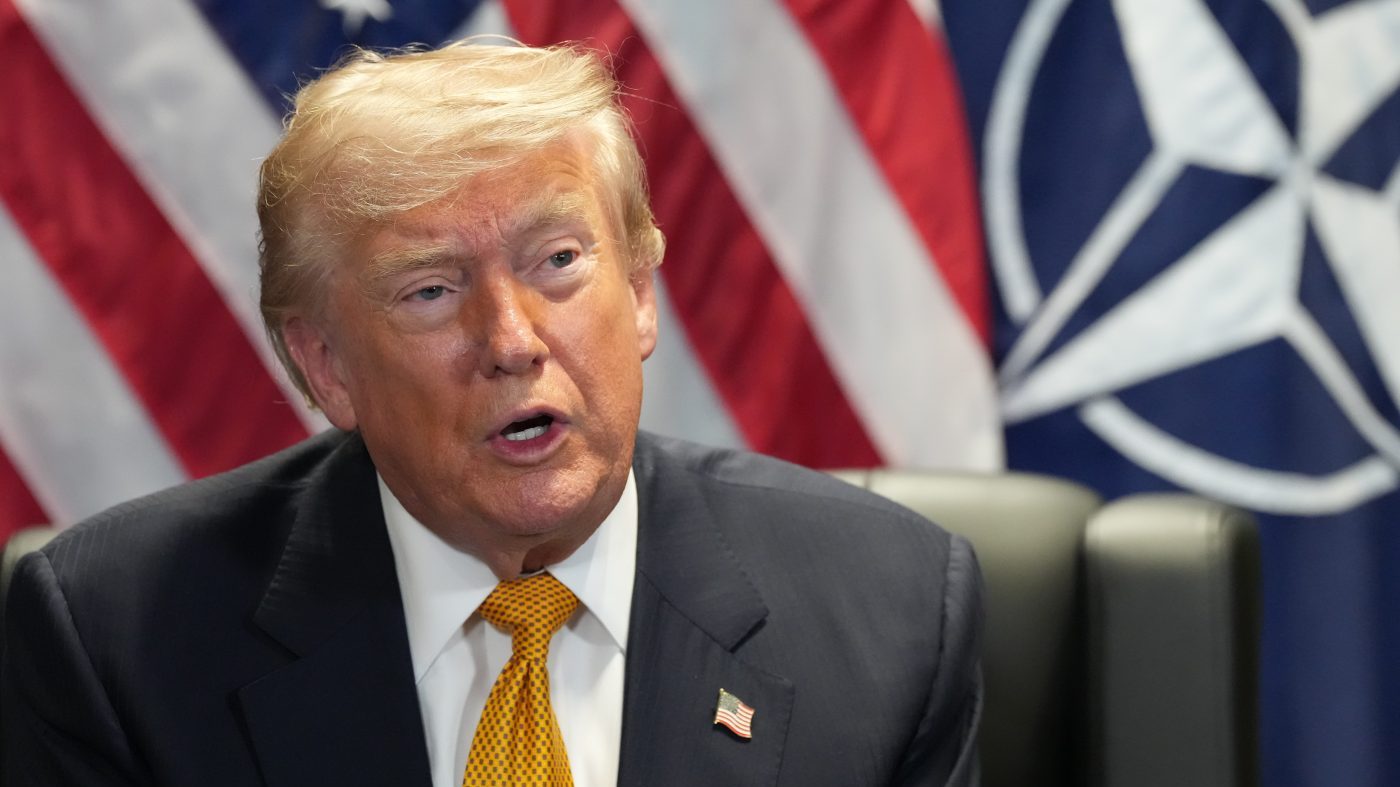
President Trump announced early Wednesday that the interim agreement with Iran to halt hostilities is effectively dead, following a new round of U.S. airstrikes against Tehran. Speaking at the NATO summit in Ankara, Turkey, Trump made clear he has no intention of reviving the deal.
“To me, I think it’s over. I don’t want to deal with them anymore. They’re scum,” Trump told reporters. He added, “I’ll speak to our negotiators. They want to negotiate. They’re good people. But they have to come back to me. As far as I’m concerned, it’s just a waste of time dealing with them.”
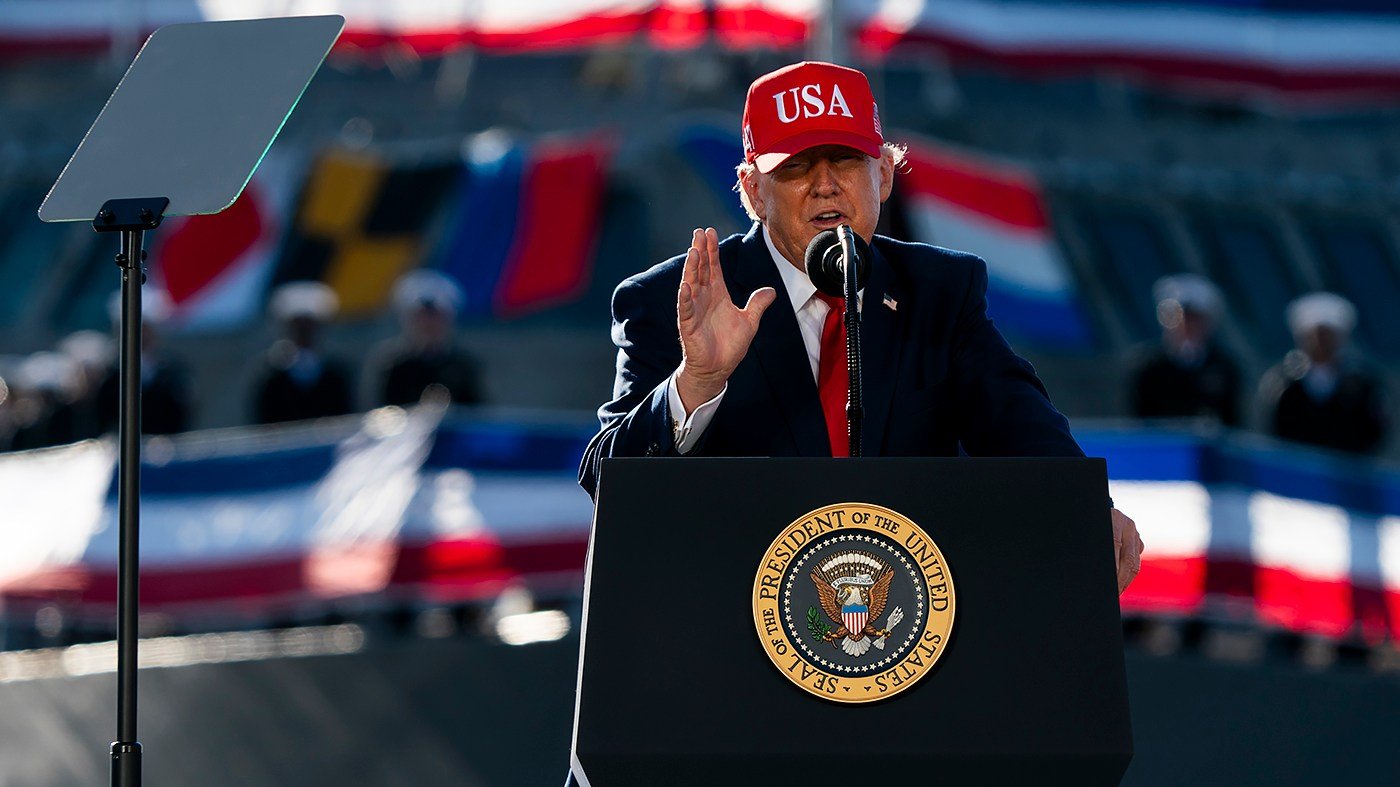
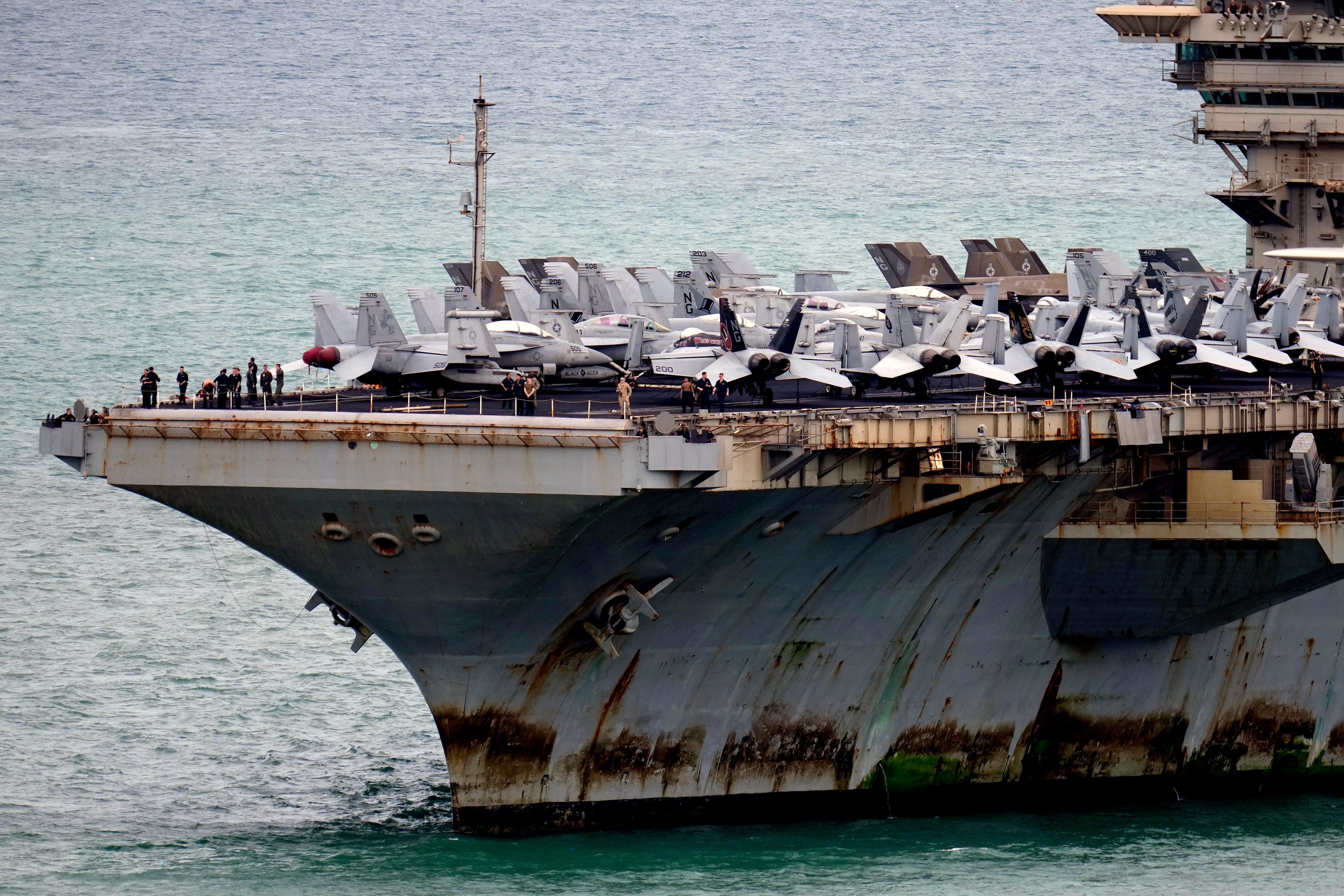
The president’s remarks came just hours after U.S. Central Command announced that the military had launched “powerful” strikes against targets inside Iran. The operation was a response to Tehran’s attack on at least three commercial vessels transiting the Strait of Hormuz, a critical chokepoint for global oil shipments.
The collapse of the interim deal marks a sharp escalation in U.S.-Iran tensions. The agreement, which had been brokered earlier this year, was intended to de-escalate military exchanges and prevent a broader conflict. Trump’s decision to abandon it signals a return to a maximum-pressure strategy, both militarily and diplomatically.
The timing of Trump’s declaration is significant. He is currently attending the NATO summit in Turkey, where alliance leaders are already nervous about U.S. commitments. The president’s combative stance on Iran is likely to deepen concerns among European allies, who have urged restraint. Trump’s recent push to purchase Greenland has also strained relations with NATO partners.
On the domestic front, Trump’s foreign policy moves continue to reshape the political landscape. The Supreme Court’s recent ruling on independent agencies has handed the president sweeping new powers, which could be used to bypass Congress on Iran-related sanctions or military actions. Meanwhile, GOP leaders are grappling with internal divisions over Trump’s proposed birthright citizenship bill, a issue that could further polarize the party.
The administration has not provided details on the full scope of the strikes or whether further military action is planned. Defense officials say the operation targeted Iranian missile sites and naval assets used in the attack on commercial shipping. No U.S. casualties have been reported.
“We will not tolerate threats to international shipping or attacks on our allies,” a senior Defense Department official said, speaking on condition of anonymity. “The president has made clear that the interim deal is no longer viable.”
The Strait of Hormuz remains a flashpoint. Roughly 20% of the world’s oil passes through the narrow waterway, making it a strategic vulnerability for global energy markets. The latest clashes have already sent oil prices higher, adding to economic pressures at home and abroad.
As the situation develops, Trump’s focus appears to be on projecting strength rather than pursuing diplomacy. His comments in Ankara leave little room for negotiations, and the interim deal — once seen as a potential off-ramp — now appears to be a casualty of the renewed confrontation.