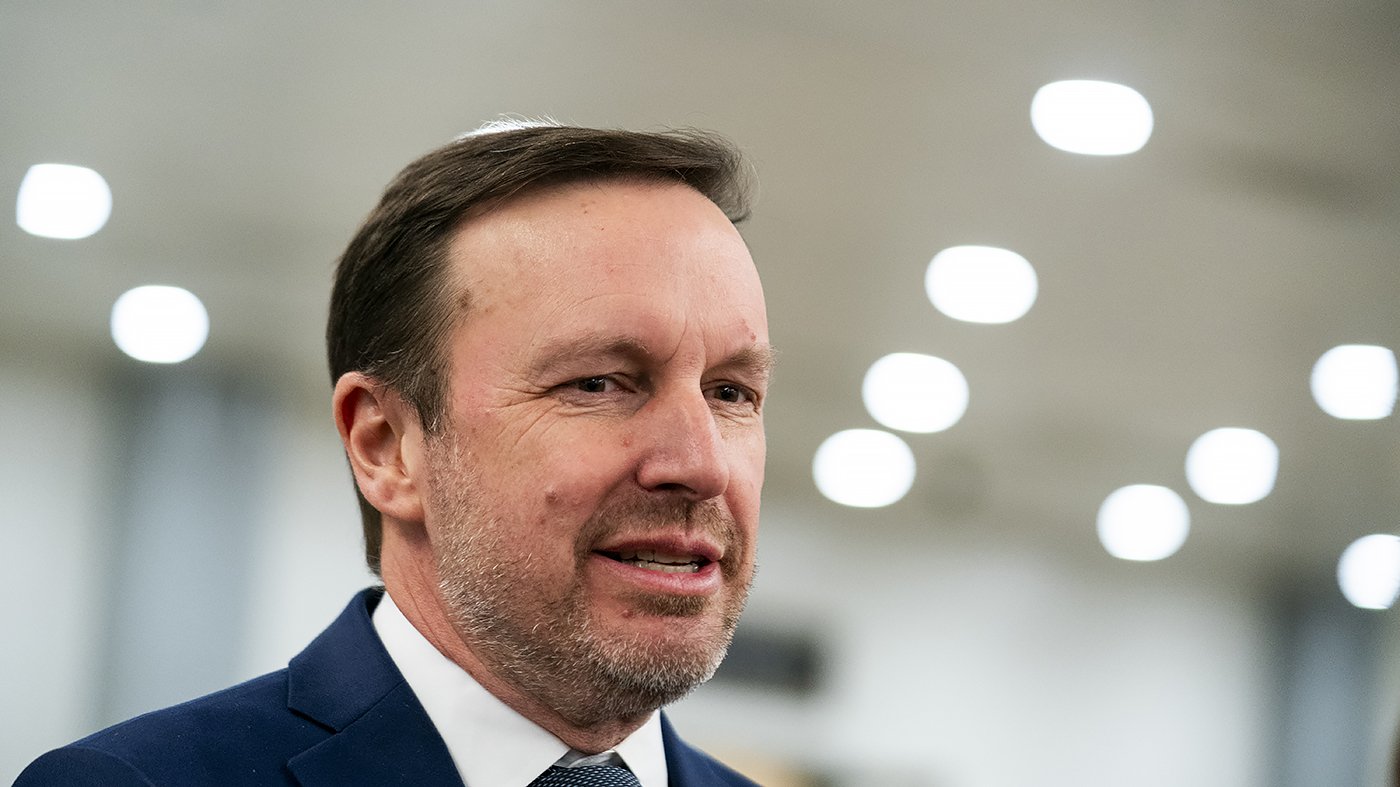
Senator Chris Murphy, a Connecticut Democrat, issued a stark condemnation Sunday of President Trump's escalating threats against Iran, arguing that the president's stated intentions to target civilian infrastructure would constitute war crimes if carried out.
Murphy took to social media platform X to declare that "Trump is calling reporters today to tell them he is going to commit mass war crimes next week." He directly challenged Republican leadership, stating, "GOP leaders need to stop him." The senator argued that destroying bridges and power plants would not achieve the stated goal of reopening the Strait of Hormuz and would instead represent a clear violation of international law.

The controversy stems from a series of posts Trump made on his Truth Social platform early Sunday. The president wrote, "Tuesday will be Power Plant Day, and Bridge Day, all wrapped up in one, in Iran. There will be nothing like it!!!" He demanded Iran "Open the F---in' Strait" and warned, "or you'll be living in Hell – JUST WATCH!" Trump reiterated these threats in multiple interviews throughout the day, linking his ultimatum to rising energy prices caused by Iran's restrictions on shipping through the critical waterway. The national average for a gallon of regular gasoline reached $4.11 on Sunday, according to AAA.
Murphy expanded his criticism, noting that Trump "isn't even pretending to choose military targets" and appeared willing to "kill tens of thousands of civilians in order to cause a national panic." The senator referenced casualty figures from the ongoing conflict, pointing to reports from the U.S.-based Human Rights Activists News Agency indicating more than 1,600 civilian deaths in Iran since U.S. and Israeli airstrikes began on February 28, including at least 244 children.
"He says he's going to destroy ALL Iranian bridges and power plants," Murphy stated. "Ok, he's probably lying. But even blowing up a fraction will kill thousands of innocent people who work in those power plants and travel on the nation's roads. That's also a war crime." The senator questioned the strategic rationale, asking, "And for what? To force Iran to open the Strait of Hormuz WHICH WAS OPEN BEFORE TRUMP STARTED BOMBING IRAN???" He called the approach "pure insanity" that "will just permanently stain America." Murphy concluded by urging Republican leaders to recall Congress to session to end the conflict.
Other prominent Democrats joined the chorus of condemnation. Senate Minority Leader Chuck Schumer described Trump as "ranting like an unhinged madman" on Easter Sunday while "threatening possible war crimes and alienating allies." House Minority Leader Hakeem Jeffries called the president's rhetoric "disgusting and unhinged," adding, "Something is really wrong with this guy."
Senator Bernie Sanders, an independent who caucuses with Democrats, shared a screenshot of Trump's Truth Social post, calling it "the ravings of a dangerous and mentally unbalanced individual." Sanders echoed Murphy's call for congressional action, demanding lawmakers "act NOW" to end the war. The unified Democratic response comes as the administration prepares for a critical White House briefing ahead of Tuesday's deadline.
The escalating rhetoric occurs against a backdrop of failed diplomatic efforts. Tehran has recently dismissed the latest U.S. ceasefire proposal as unrealistic, creating a diplomatic stalemate. Meanwhile, regional tensions have been further inflamed by Israeli strikes on Iranian energy infrastructure as the presidential deadline approaches.
The legal and constitutional dimensions of the conflict continue to evolve in parallel. The Supreme Court recently showed skepticism toward another of Trump's executive actions, while separately clearing a path that could benefit a former Trump advisor. These developments highlight the complex intersection of military action, executive authority, and judicial oversight defining the current political landscape.