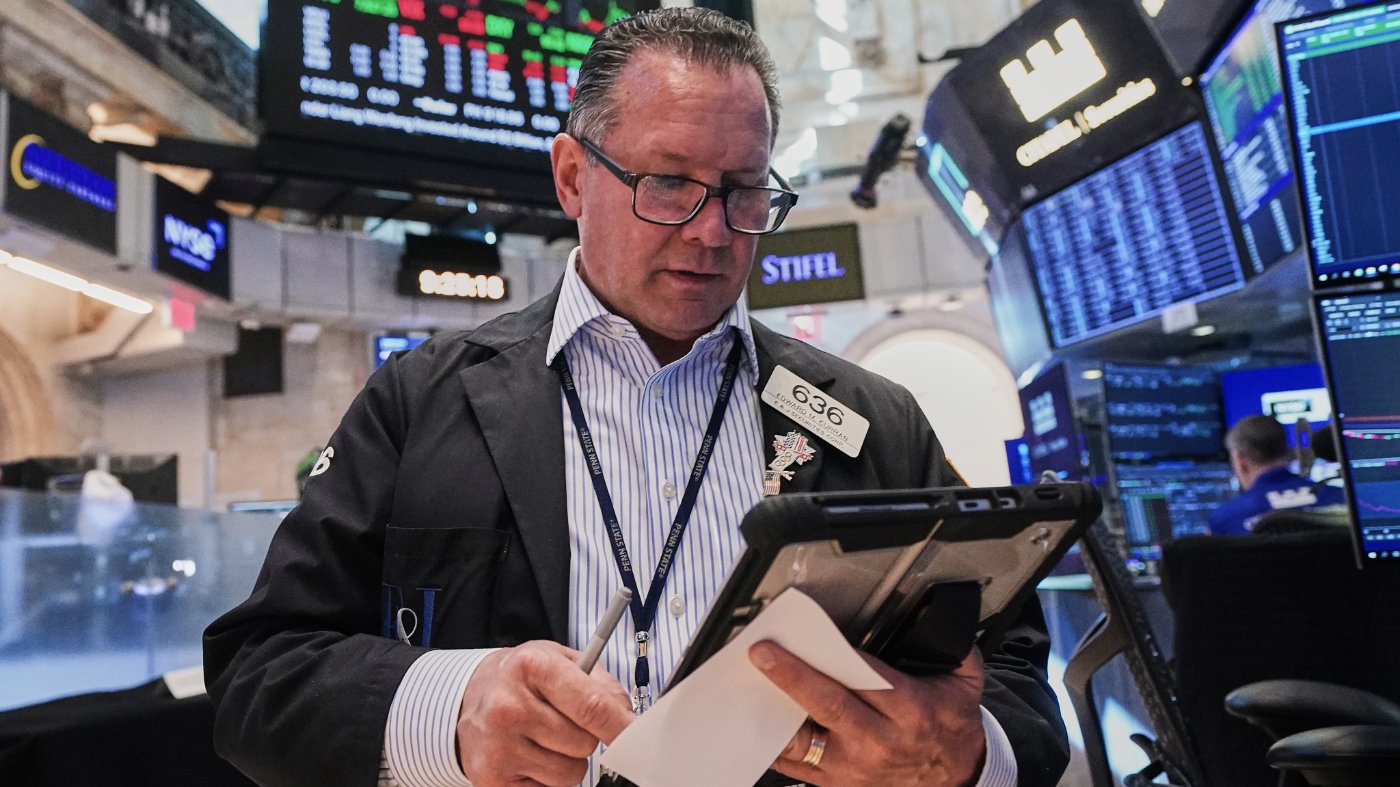
News that the United States and Iran are poised to sign a memorandum of understanding to de-escalate their conflict initially buoyed investor sentiment. West Texas Intermediate crude fell below $80 a barrel, and the U.S. stock market hit a record high. But the euphoria may be short-lived as sharp criticism of the deal's terms mounts.
President Trump announced he had authorized the toll-free reopening of the Strait of Hormuz and lifted the U.S. naval blockade, declaring, “Ships of the World, start your engines. Let the oil flow!” The agreement extends a ceasefire for 60 days, during which both sides will negotiate a final deal. It adopts a phased approach—starting with the strait’s opening—while postponing tougher talks on Iran’s nuclear program. Although the deal creates incentives for Iranian compliance, it also contains multiple potential failure points.
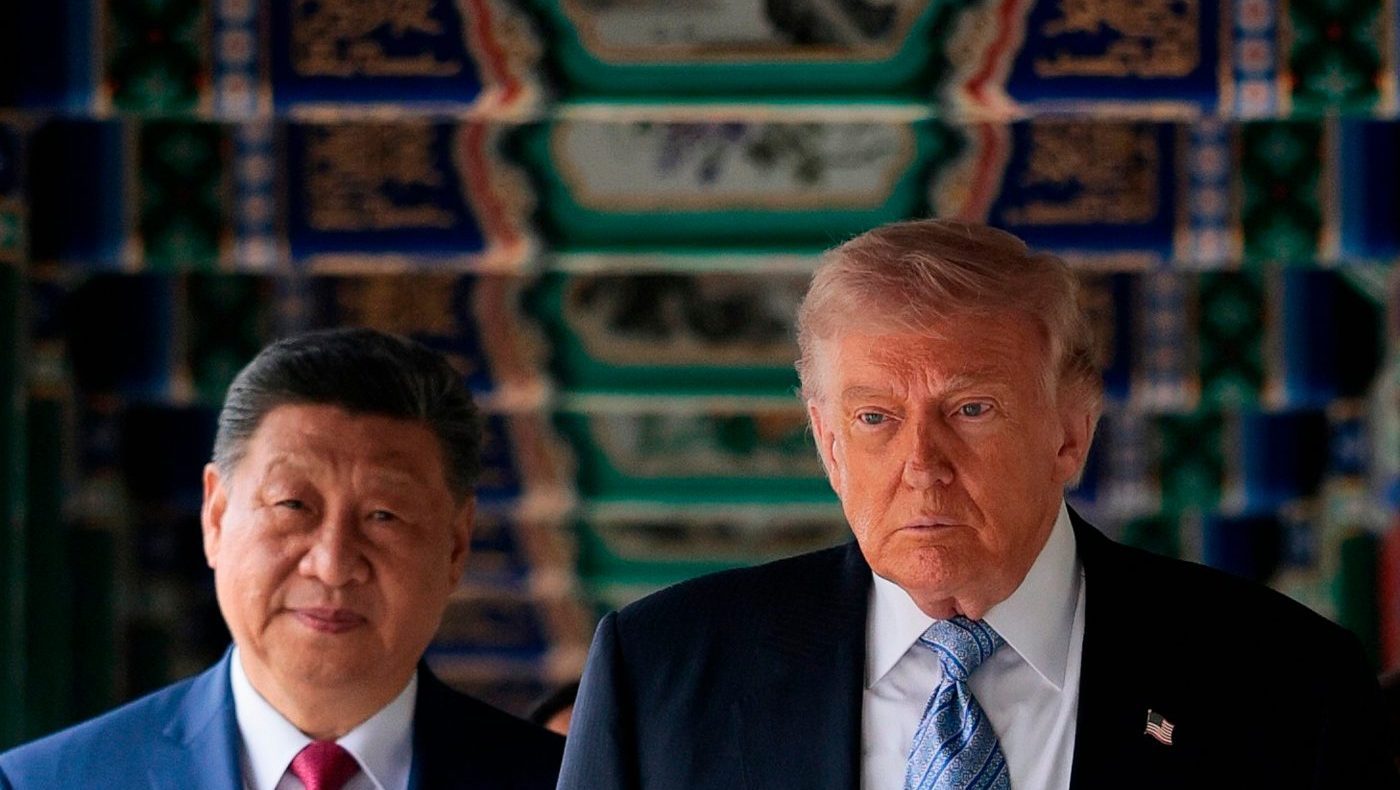
The Wall Street Journal’s annotated analysis of the U.S. proposal, presented at the G7 meeting in Paris, notes that many conservatives who supported the war effort fear Trump is conceding too much upfront. If Iran meets U.S. requirements, it will gain access to billions in frozen assets and tap a newly created $300 billion development fund. Sanctions are already being lifted, and Iranian tankers have begun transiting the strait to generate export revenue.
Why would Trump agree to terms that appear to favor Tehran financially? In his G7 press conference, the president argued the deal was necessary to avert an “economic catastrophe” from a prolonged conflict. He also acknowledged being influenced by the stock market’s rally as he worked to resolve the crisis. From an investor perspective, the immediate economic relief from ending the oil shortfall is paramount, especially given the deep scars left by previous oil shocks.
The 1973 Arab-Israeli conflict and the 1979 Iranian revolution both triggered prolonged supply disruptions when the U.S. was heavily dependent on imported oil. Each time, inflation spiked and the Federal Reserve jacked up interest rates, leading to severe recessions. Since then, America has reduced its reliance on foreign oil and become a net energy exporter—a buffer that helped during the fallout from Russia’s invasion of Ukraine in 2022, even though rising oil prices still fueled inflation and forced the Fed to tighten policy.
What makes the current situation precarious is that the blockade of the Strait of Hormuz threatened to remove nearly a fifth of the world’s crude supply. Some energy experts warned of a “nightmare scenario” driving oil prices to $150–$200 a barrel. So far, markets have remained calm because countries have circumvented an estimated 15 million barrel-per-day shortfall. According to The Economist, China slashed its oil imports by roughly 5 million barrels per day from pre-war levels, and rationing elsewhere cut demand by a similar amount. The remainder has been filled by drawing down strategic petroleum reserves.
The key question is how long this can last. The International Energy Agency pledged to release 400 million barrels from government stockpiles in March, but drawdowns are slowing. The New York Times reports that reserves in Japan and Korea have dwindled rapidly, and U.S. government stockpiles are on track to hit their lowest levels since 1983. Trump likely realized he needed to end the conflict before shortages became acute. He has asserted that gas prices will return to pre-war levels once the strait reopens, but the U.S. Energy Information Administration and many experts believe it will take longer, as countries must replenish inventories and repair damaged facilities.
The most probable scenario is that Iran complies with the deal for 60 days while pocketing financial incentives. But Tehran has signaled it could then impose insurance fees on ships passing through the strait. Investors must weigh whether safeguards beyond bombing threats can ensure safe passage. If not, traders might bet on “Trump Always Chickens Out”—or TACO—once again.
For a deeper look at the contested status of the strait, see this report. And for more on how the deal is already affecting prices, read this analysis.