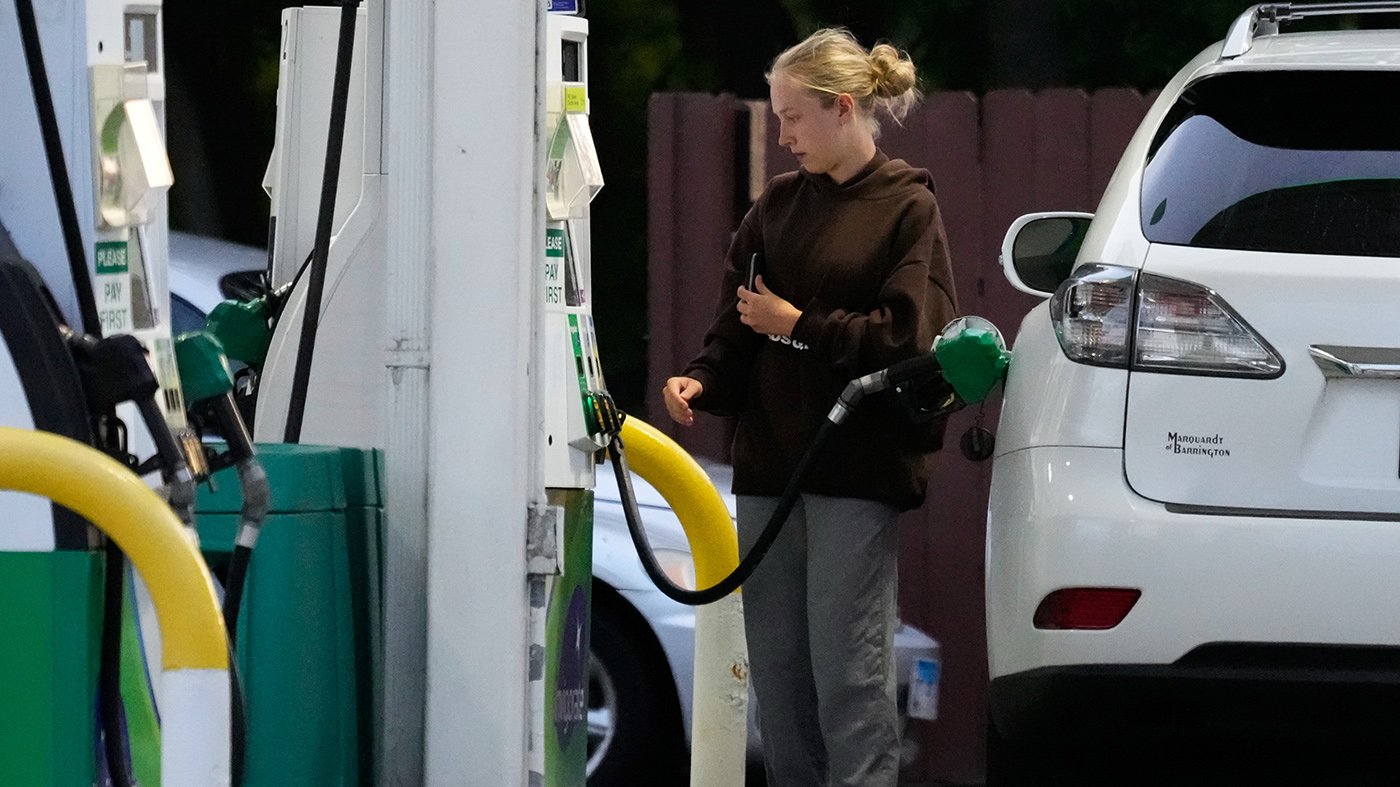
The tentative U.S.-Iran peace deal is expected to bring some relief to American drivers, but analysts caution that pre-war gasoline prices are unlikely to return anytime soon, even if the agreement holds. The accord aims to restore traffic through the Strait of Hormuz, a critical oil chokepoint that had been effectively blocked during the conflict, disrupting global supplies.
Before the war, roughly 20% of the world's oil passed through the strait. The deal has already driven down oil prices: U.S. benchmark West Texas Intermediate crude fell to about $81 per barrel on Monday, down from roughly $84 late last week. The national average gas price dropped to $4.07 per gallon, according to AAA, compared with $4.16 a week earlier.
Short-Term Relief, Long-Term Uncertainty
Andy Lipow, president of Lipow Oil Associates, projected that gas prices could fall another 10 cents per gallon over the next week to 10 days. Tom Kloza, chief oil analyst at Gulf Oil, expects a sharper decline, predicting prices could settle around $3.75 per gallon. However, both analysts and others interviewed by The Hill anticipate elevated prices through the summer and into the fall.
“Through the summer we’re probably going to have a higher price environment than we saw last summer, just on the back of the fact that we still need to get that crude out,” said Isabelle Gilks, principal analyst for retail fuels at Wood Mackenzie. She noted that restoring normal shipping operations will take time—insurers must be reassured, mines cleared, and safe passage guaranteed—adding that traffic might not normalize until the end of August.
Once safe passage is assured, major producers like Saudi Arabia, Kuwait, and Iraq are expected to ramp up output. Lipow estimated that “some semblance of normalcy” for gas prices could be four to six months away. “Six months down the road, of course I think we’ll see some continued declines in oil prices. I think gasoline prices could continue to come off another 10 to 20 cents a gallon, but there is going to be a geopolitical risk premium put into the price of crude oil, given all of this conflict that we’ve seen and uncertainty going forward,” he said.
Geopolitical Risks Loom
Lipow highlighted ongoing dangers, including Iran’s demonstrated ability to close the strait again and potential violence between Israel and Hezbollah. The national average gas price peaked at $4.56 per gallon last month during the war’s height, putting significant political pressure on the Trump administration ahead of the midterm elections.
Even if the peace holds, many analysts expect prices to remain elevated when voters head to the polls. Kloza projected that around the midterms, prices could range from $3.50 to $4 per gallon. “Whereas in most years you can guarantee that you’re going to drop in the last 120 days of the year—or the 30 or 60 days before the midterms—I think this year might be a little different,” he said. He added that the sharp drop of about 75 cents per gallon expected between Memorial Day and early July would ordinarily occur later in the year, but “sticky and stubborn high prices” are likely.
Kloza also stated that pre-war prices are unlikely this year unless a recession hits. Lipow projected that around the midterms, prices would be around $3.30 to $3.60 per gallon, noting that pre-war levels may not return for “some time” due to persistent geopolitical risks.
Optimistic View and Supply Dynamics
Mohith Velamala, an oil and gas specialist at BloombergNEF, offered a more optimistic perspective. He said that pre-war prices could resume as soon as July or August if oil traffic through the Strait of Hormuz recovers. “We’ve seen good supply growth, even right now, outside of the Middle East,” Velamala said. He described the war as a “short-term disruption” to a broader macroeconomic market suited to lower prices, adding that if Mideast production recovers, “it’s not unreasonable to assume it will go back to pre-war levels.”
Another factor that could boost demand is the need to replenish depleted oil reserves. Federal data released Monday showed that the U.S. Strategic Petroleum Reserve is at its lowest level since 1983. “The strategic petroleum reserves that have been drawn down are going to create demand in the future as they’re replenished,” Lipow noted.
For more on the political dynamics, see Vance Takes Lead on Iran Strait Deal, Faces GOP Skepticism. Additionally, Energy Secretary Wright: Strait of Hormuz Oil Traffic Set to Keep Rising provides further context on the administration’s outlook.