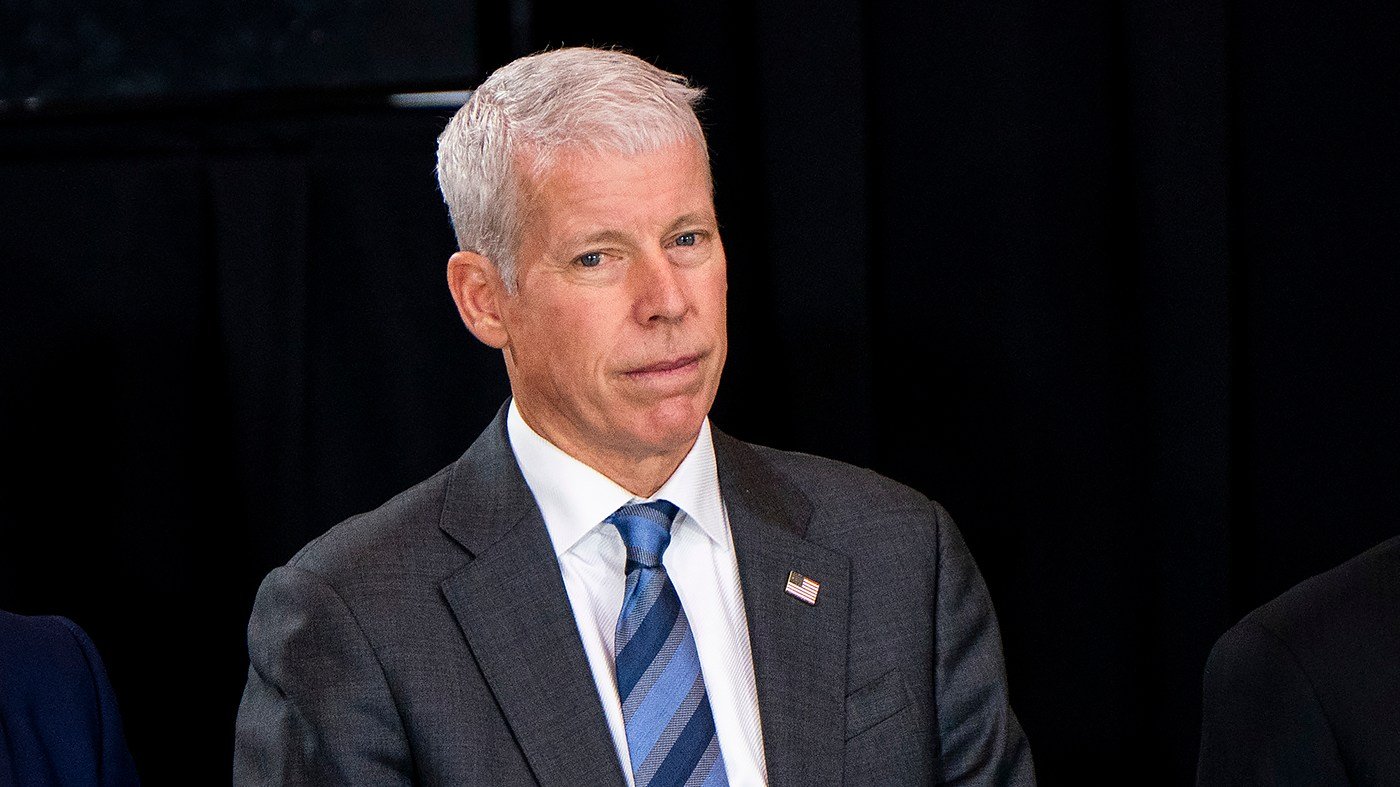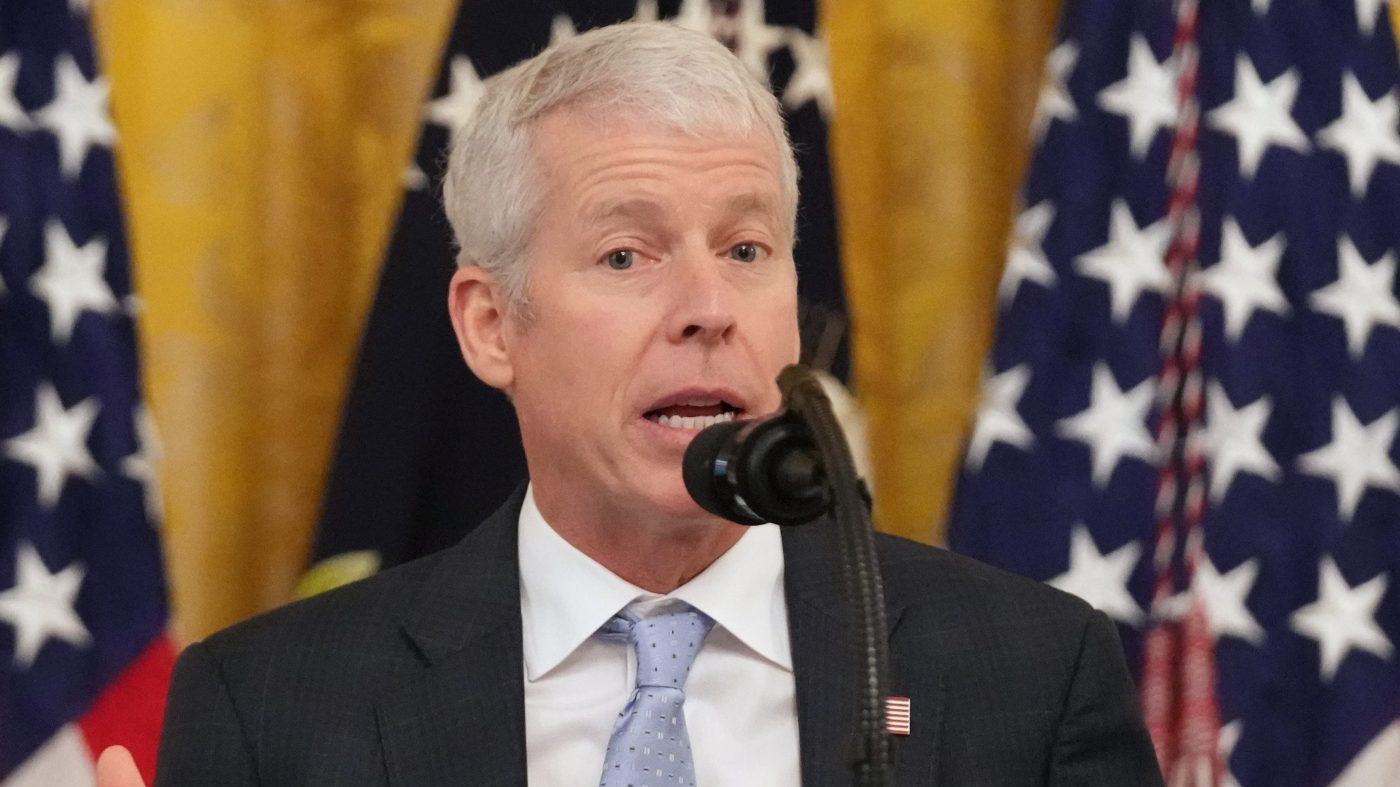
Energy Secretary Chris Wright said Tuesday that the volume of oil moving through the Strait of Hormuz is set to continue increasing as the United States and Iran push to resolve their months-long standoff.
Speaking at an Atlantic Council event, Wright noted that traffic through the strategic waterway—a critical chokepoint for global oil shipments—has been rising significantly. He predicted the trend would persist, signaling optimism about easing tensions that have disrupted energy markets.
Oil Prices Slide on Optimism
Wright's comments helped push oil prices lower Tuesday. U.S. benchmark West Texas Intermediate crude traded around $88 per barrel in the afternoon, down from nearly $95 on Monday. International benchmark Brent crude fell to about $92, after hitting almost $98 the day before.
President Donald Trump echoed similar sentiments Monday night, telling reporters that a lot of oil is flowing through the Strait of Hormuz and that prices remain relatively low as a result.
But data from MarineTraffic painted a different picture, showing that as of Monday, vessel crossings through the strait remained at historic lows, with only five confirmed transits.
Gas Prices Could Drop Below $4
The price decline has renewed hopes for lower gasoline costs. Patrick De Haan, head of petroleum analysis at GasBuddy, said on social media that the latest dip gives the national average a fresh chance of falling below $4 per gallon before July 4. On Tuesday, the average stood at about $4.16.
However, prices ticked up later in the day after Trump announced that Iran had shot down a U.S. Apache helicopter near the strait. The president pledged retaliation, injecting fresh uncertainty into the market. Our coverage of the incident details how the White House is framing the response.
Defense Secretary Lloyd Austin has previously stated that the U.S. has the capacity to reopen the Strait of Hormuz but would need allied support to sustain operations—a point that remains relevant as the situation evolves.
Venezuela Oil Investment on the Rise
During his remarks, Wright also indicated that U.S. companies are increasingly eyeing Venezuela's oil sector following the American incursion there. He noted that both newcomers and existing players are expanding their investments and rapidly boosting production in the country.
The developments come amid a broader geopolitical stalemate over the Strait of Hormuz, where Iran's gambit has left the Trump administration with limited options. As the conflict drags on, the interplay between military posturing and energy flows will continue to shape global markets.