Six years after the Trump administration declared a national emergency over Beijing’s crackdown on Hong Kong, that declaration has quietly expired—without a word from the White House. On July 14, the emergency order underlying Executive Order 13936 lapsed when the administration failed to file its annual renewal notice. The silence was broken not by Washington, but by China’s Ministry of Commerce, which announced the lapse on July 17, framing it as a fulfillment of commitments reportedly made during trade negotiations in Madrid last September.
The move effectively lifts sanctions on nine Hong Kong officials, including Justice Secretary Paul Lam, National Security Department Chief Sonny Au, and former police commissioners Raymond Siu and Stephen Lo. These individuals have overseen a sweeping crackdown that jailed pro-democracy activists, shuttered independent media, and froze assets of imprisoned publisher Jimmy Lai. The lapse also opens the door for Hong Kong to regain preferential trade status and export-control exemptions revoked in 2020.
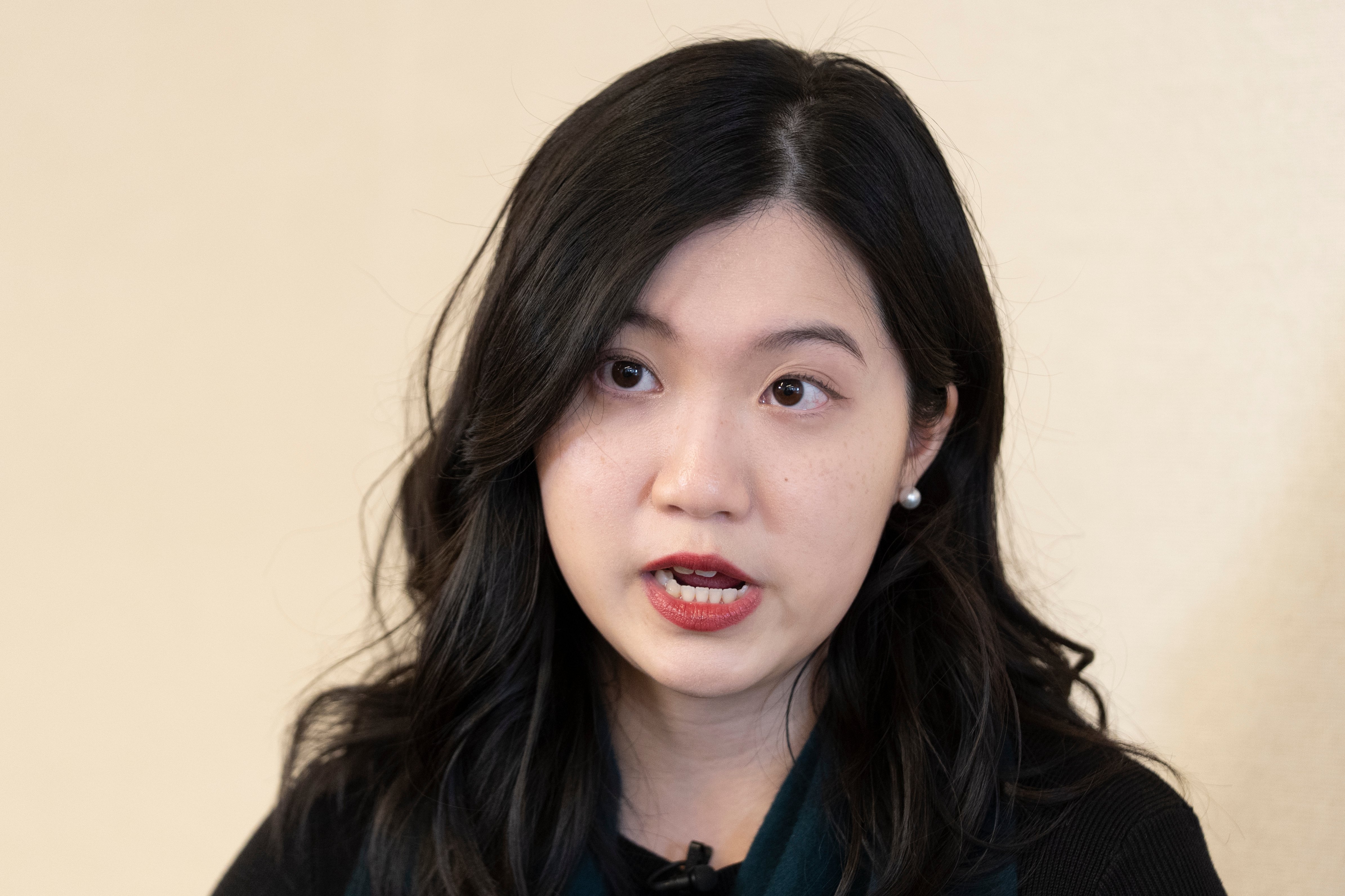
The Treasury Department later confirmed the decision but offered no public rationale. Critics argue that the administration’s silence sends a dangerous signal to Hong Kong’s pro-democracy movement and the thousands of Hong Kongers who have fled to the United States seeking refuge. “They came here believing that America, its laws and its willingness to stand up to Beijing was a genuine refuge,” wrote Megan Khoo, policy director at Hong Kong Watch, in a recent analysis. “Washington’s silence sends a signal that the country they trusted to protect them may no longer be willing to do so.”
The human stakes are stark. Hong Kong authorities have placed bounties on overseas activists and launched transnational repression campaigns reaching diaspora communities in Australia, the UK, and the U.S. Just this year, new national-security offenses were enacted, including powers to compel password disclosure and allow the city’s leader to certify any case as a national-security matter beyond judicial review. Asset seizures have reached dissidents abroad.
“Judging by the very standard the order itself set in 2020—an ‘unusual and extraordinary threat’ to Hong Kong’s autonomy—nothing has changed except Washington’s willingness to say so,” Khoo wrote. The non-renewal, she argued, “hands the Chinese Communist Party a win it has not earned.”
The lapse comes amid broader tensions over U.S.-China trade policy and technology competition. Some lawmakers have questioned whether human rights conditions were part of any negotiation, or whether Hong Kong was simply a bargaining chip in a larger trade deal. The Scalise Positions as House GOP Elder Statesman has highlighted the need for congressional oversight on such secretive deals.
Congress has tools to demand answers: hearings, document requests, and oversight authority over U.S.-China policy. The Hong Kong Human Rights and Democracy Act and the Hong Kong Autonomy Act passed with overwhelming bipartisan support, reflecting a principle that human rights and trade policy should not be interchangeable. “That principle is worth defending now, not just in 2020,” Khoo wrote.
The administration faces growing pressure to reverse course. “The people of Hong Kong, the judges forced from the bench, the journalists who have fled or been jailed, activists like Jimmy Lai still sitting in prison, and the families who crossed an ocean believing in the promise of American freedom, did not choose this moment of American retreat,” Khoo concluded. “They deserve better than to be a bargaining chip in a trade deal negotiated on their behalf but without their voice.”