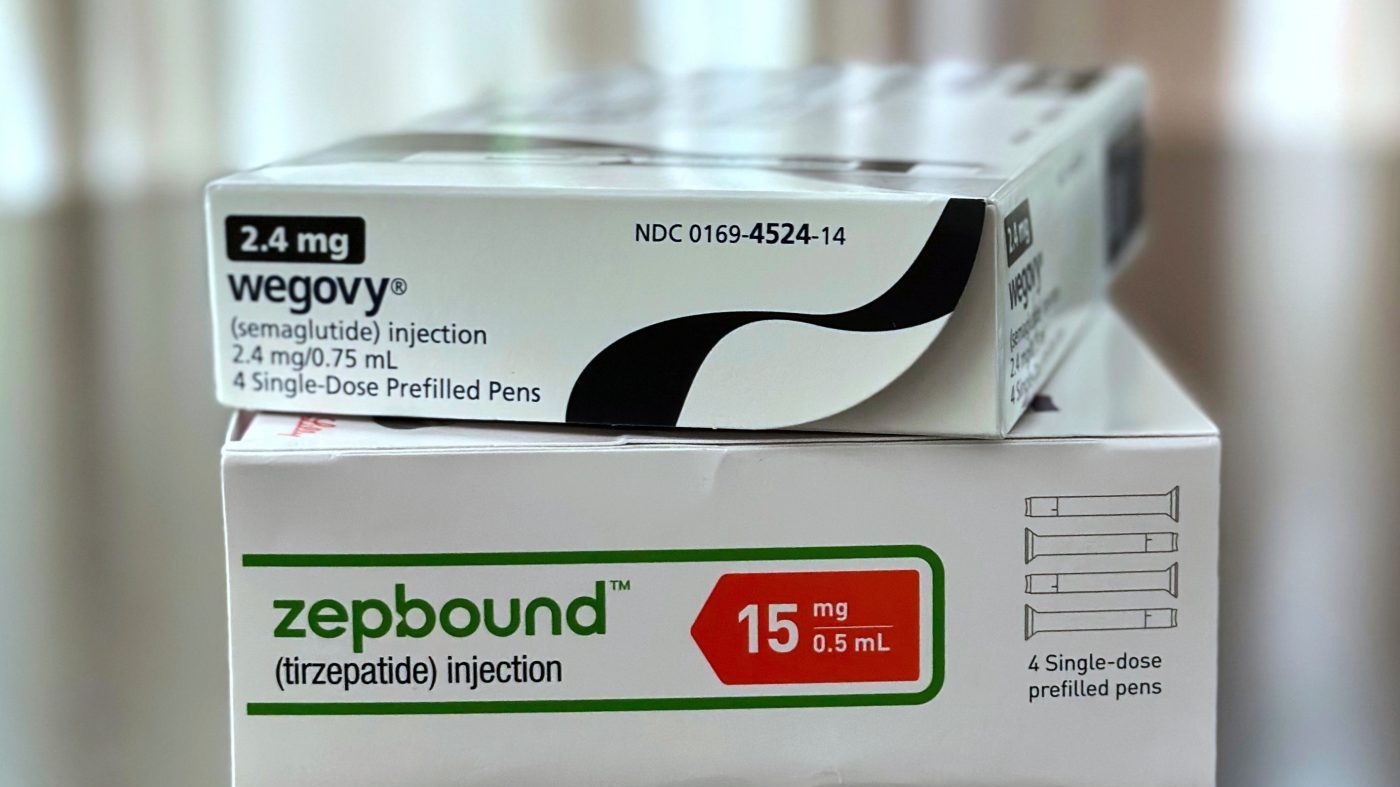
New economic research suggests that the soaring popularity of GLP-1 drugs, originally developed for diabetes, could deliver a significant boost to the economy by slashing long-term sick leave. A study published this month by the National Bureau of Economic Research found that employees taking these medications experienced 17% fewer long-term absences from work.
Economic Implications of Reduced Sick Leave
The study, which analyzed Danish data, defined long-term sick leave as any absence exceeding 30 days related to illness. The reduction in such absences translated to savings equal to up to 1.5% of a worker's salary, highlighting the potential for GLP-1s to lower labor costs and improve productivity. As these drugs, including Ozempic and Wegovy, continue to gain traction for weight loss, policymakers are eyeing their broader economic effects.
Denmark's generous sick leave policies—where employers cover full salary for the first 30 days and the government steps in thereafter—provided a robust dataset for the study. While U.S. sick leave is less comprehensive, the findings offer a glimpse into how widespread adoption of GLP-1s might reshape workforce dynamics in America.
Health Benefits Beyond Weight Loss
Ongoing research has already linked GLP-1 drugs to reduced risks of cardiovascular disease and certain cancers. This new study adds another dimension: the potential to curb chronic absenteeism, a costly issue for employers. With Medicare set to offer GLP-1 weight loss drugs for $50 monthly starting in 2026, the economic and health implications are drawing closer attention from both health officials and business leaders.
The study's authors caution that the results may not fully translate to the U.S., given differences in healthcare systems and labor policies. However, the data underscores the potential for these medications to address both health and economic challenges.
Political and Policy Context
The findings come amid heated debates over drug pricing and access. Former President Trump recently threatened to impose a 100% tariff on generic drugs unless production moves to the U.S. by 2028, a move that could reshape the pharmaceutical landscape. Meanwhile, the Biden administration continues to push for broader healthcare access, including coverage for GLP-1s under Medicare.
As the workforce grapples with post-pandemic shifts, including debates over remote work policies, the study adds a new dimension to discussions about employee health and productivity. The reduction in long-term sick leave could also ease pressure on social safety nets, particularly in countries with generous leave policies.
Broader Implications for Workforce Policy
The research also touches on broader trends in labor participation. A separate study earlier this year found that childhood expectations drive men's exodus from the workforce, highlighting the complex factors behind absenteeism. If GLP-1s can reduce illness-related absences, they may help address some of these challenges, though structural issues remain.
Looking ahead, the economic impact of GLP-1s will likely be a key topic for policymakers and business leaders. As the drugs become more accessible, their role in shaping workforce health and productivity will be closely watched.