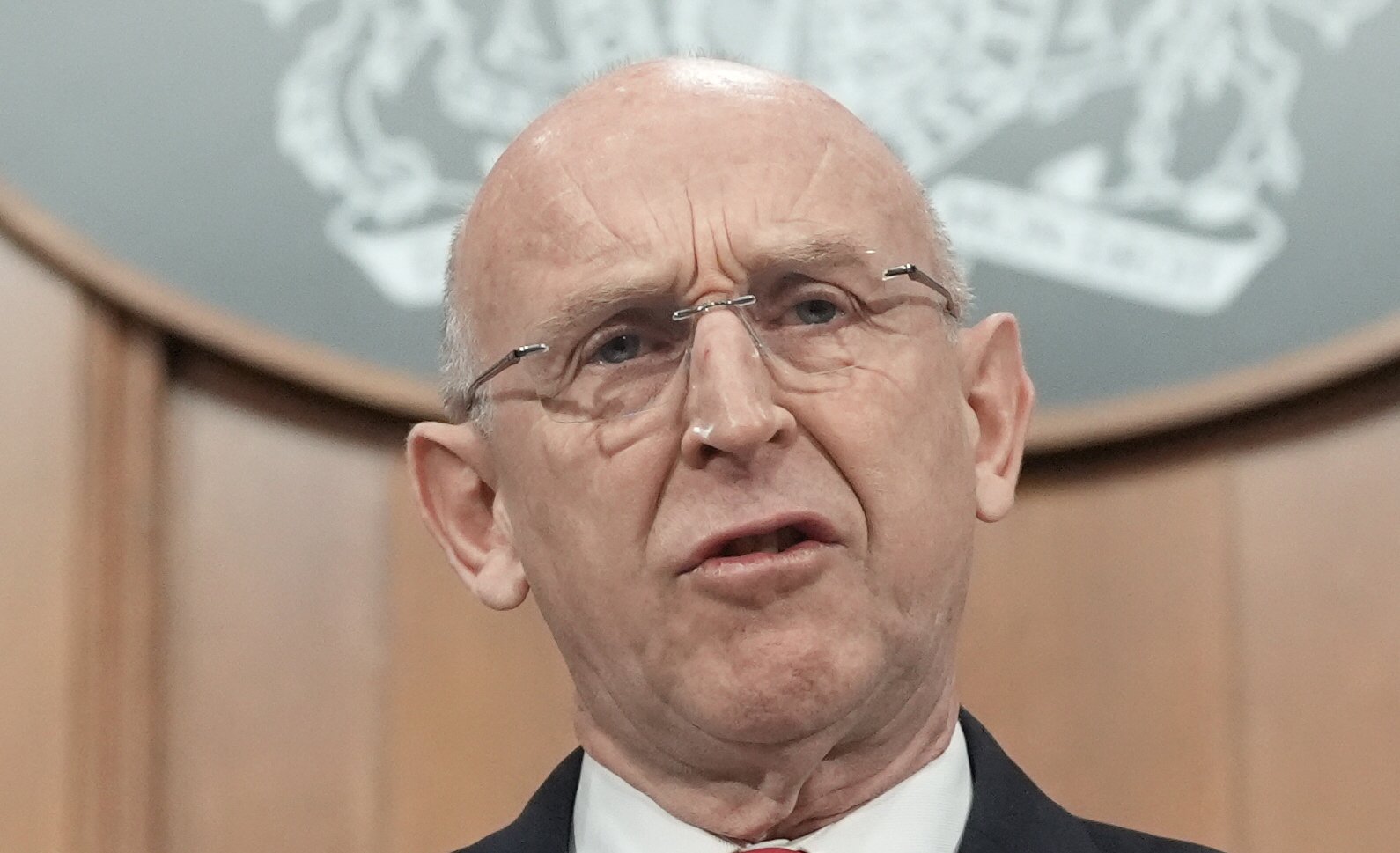
John Healey, the new Chancellor of the Exchequer under Prime Minister Andy Burnham, is confronting a stark reversal of roles. Just weeks ago, as defense minister, Healey resigned in protest, accusing the Treasury of starving the Ministry of Defence of funds needed to meet rising threats. Now, he sits atop that very Treasury, tasked with balancing the nation's books while the Burnham government vows to boost military spending.
The friction between finance and defense ministries is a familiar story, both in the UK and abroad. In the United States, the Office of Management and Budget has long viewed Pentagon requests with skepticism—a dynamic that led to the recent closed-door Pentagon briefing on a $350 billion defense boost amid the Iran war. Similarly, under former Prime Minister Keir Starmer, the UK Treasury resisted the Ministry of Defence's push for 3.5% of GDP on defense by 2035, settling instead for a 2.7% target by 2030. Healey, then defense secretary, argued for 3% and resigned when the Treasury refused to commit.

Now, as chancellor, Healey must decide whether to honor his earlier demands. Burnham has offered only vague assurances, stating the government will “set out more on defense in due course.” Defence Secretary Wes Streeting has echoed this, insisting the UK will meet its international commitments but offering no details on how to fund the £15 billion (through 2029) that Starmer added to the defense budget before leaving office, nor the additional £2.3 billion annually the Office for Budget Responsibility says is needed to hit Healey's 3% target by 2030.
Healey himself has been careful. He told reporters that “fiscal credibility is the bedrock for economic stability and for national security,” and that the government will meet its defense commitments. But he has not specified how. One option—defense bonds—was briefly floated by Healey but has been ruled out. Instead, the Treasury plans to raise £10.3 billion through budget transfers from other agencies, a move that may prove difficult given Burnham's other spending promises.
Burnham has pledged to revive the economy, improve public services, and consider raising individual tax exemptions frozen since 2021. Unfreezing those exemptions by 10% alone could cost over £17 billion annually—roughly the size of the defense shortfall. The Office for Budget Responsibility warns the UK is on an “unsustainable” fiscal path. Against this backdrop, Healey must find a way to fund the defense increases he once championed.
Streeting has argued that social justice and national security can “go hand in hand,” adding that he has “a firm friend in His Majesty's Treasury.” But the question is how firm that friendship will be. Burnham clarified this week that he has made “no immediate commitment” to raising the tax allowance, possibly signaling room for defense spending. Yet even without that, Healey faces multiple claimants for limited funds.
Historical parallels offer little comfort. Caspar Weinberger, known as “Cap the Knife” for his budget-cutting as Nixon's OMB director, later became Reagan's most powerful defense advocate, overseeing the largest peacetime military buildup in American history. Healey is moving in the opposite direction—from defense minister demanding more money to chancellor who traditionally squeezes defense budgets. Whether he will adopt the Treasury's cautious culture or push for the 3% target remains an open question.
For now, the Burnham government's defense ambitions hang in the balance. As the UK grapples with fiscal strain and global instability, all eyes are on Healey. Where he sits may well determine where he stands.