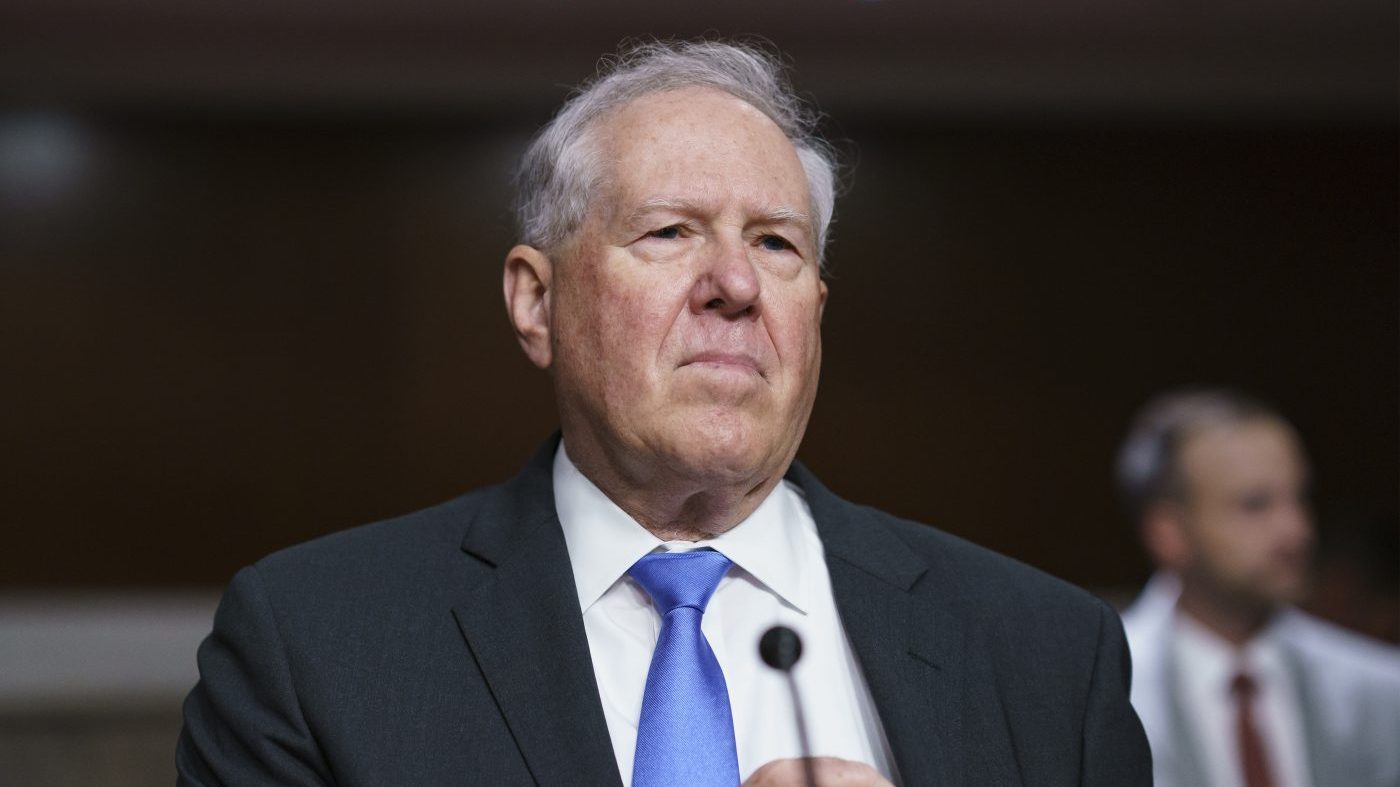
Frank Kendall III, who led the Air Force under President Biden, said Sunday he could not serve in the current administration, delivering a sharp rebuke of Defense Secretary Pete Hegseth's tenure at the Pentagon.
In an interview on ABC's "This Week," Kendall told host Martha Raddatz that Hegseth's efforts to impose his will on the armed forces represent an unprecedented politicization of the U.S. military. "I've never seen an attempt to politicize our military like the one being conducted by Pete Hegseth," he said.
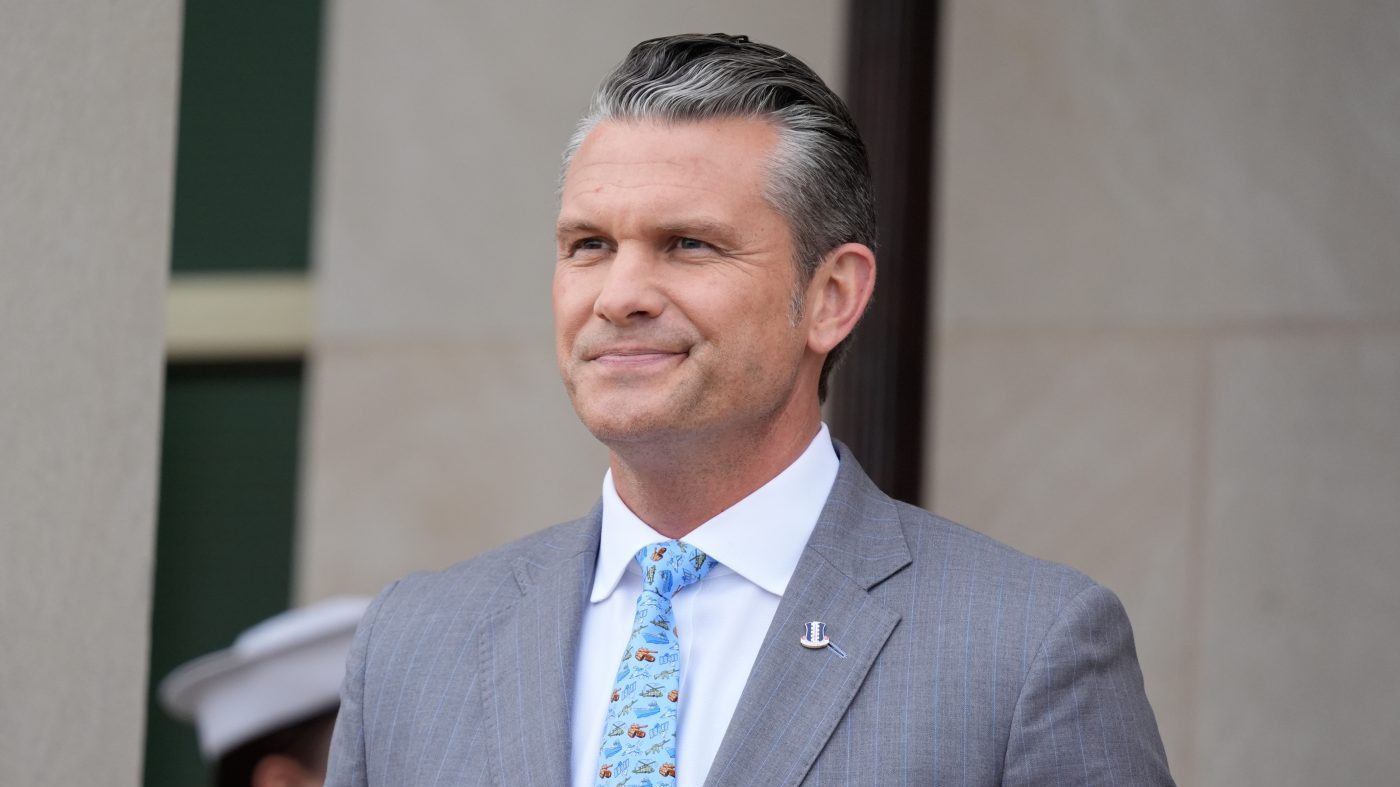
Kendall's comments come amid a turbulent period at the Pentagon. Earlier this week, Army Secretary Dan Driscoll resigned after months of friction with Hegseth. Hegseth had previously ousted Army Chief of Staff Gen. Randy George in April and has blocked promotions of four Army officers tied to officials he fired. Additionally, a source familiar with the matter told The Hill that Hegseth removed six Army officers from consideration for two-star general posts this week.
The turmoil has created what Kendall describes as a "climate of fear" rippling through the ranks. "It's causing people to be afraid and ... in many cases I think he's not getting good advice. Because people are afraid to tell him things that he doesn't want to hear," Kendall said, referring to Hegseth. He added that "very good people that I know are leaving because of the climate of fear and because of the things the military is being asked to do."
Kendall argued that senior military officers have an "obligation" to push back against administration officials who attempt to pursue "something which is morally wrong, unethical" or illegal. "I'm afraid they're not doing that," he said. He also pointed to the ongoing U.S. military campaign against alleged drug boats in the Caribbean and eastern Pacific, which he called "unconstitutional."
When asked what he would do if he were still Air Force secretary, Kendall dismissed the premise, saying, "I couldn't serve in this administration." His remarks echo concerns from other former defense officials about the direction of the Pentagon under Hegseth, who has moved to reshape military leadership and prioritize political loyalty over experience.
The developments come as the administration faces scrutiny over its handling of military appointments, with a four-way race emerging to replace Driscoll. Hegseth's aggressive personnel moves have also drawn attention in the context of broader legal and political battles over military leadership and redistricting.
Kendall's interview is likely to intensify criticism of Hegseth's leadership, which has already become a flashpoint in Washington. The former secretary's warnings about a "climate of fear" and the erosion of military professionalism could resonate with lawmakers and veterans groups concerned about the politicization of the armed forces.
As the administration continues its push to reshape the Pentagon, questions remain about the long-term impact on military readiness and morale. Kendall's blunt assessment underscores the stakes for the institution and the officers who serve within it.