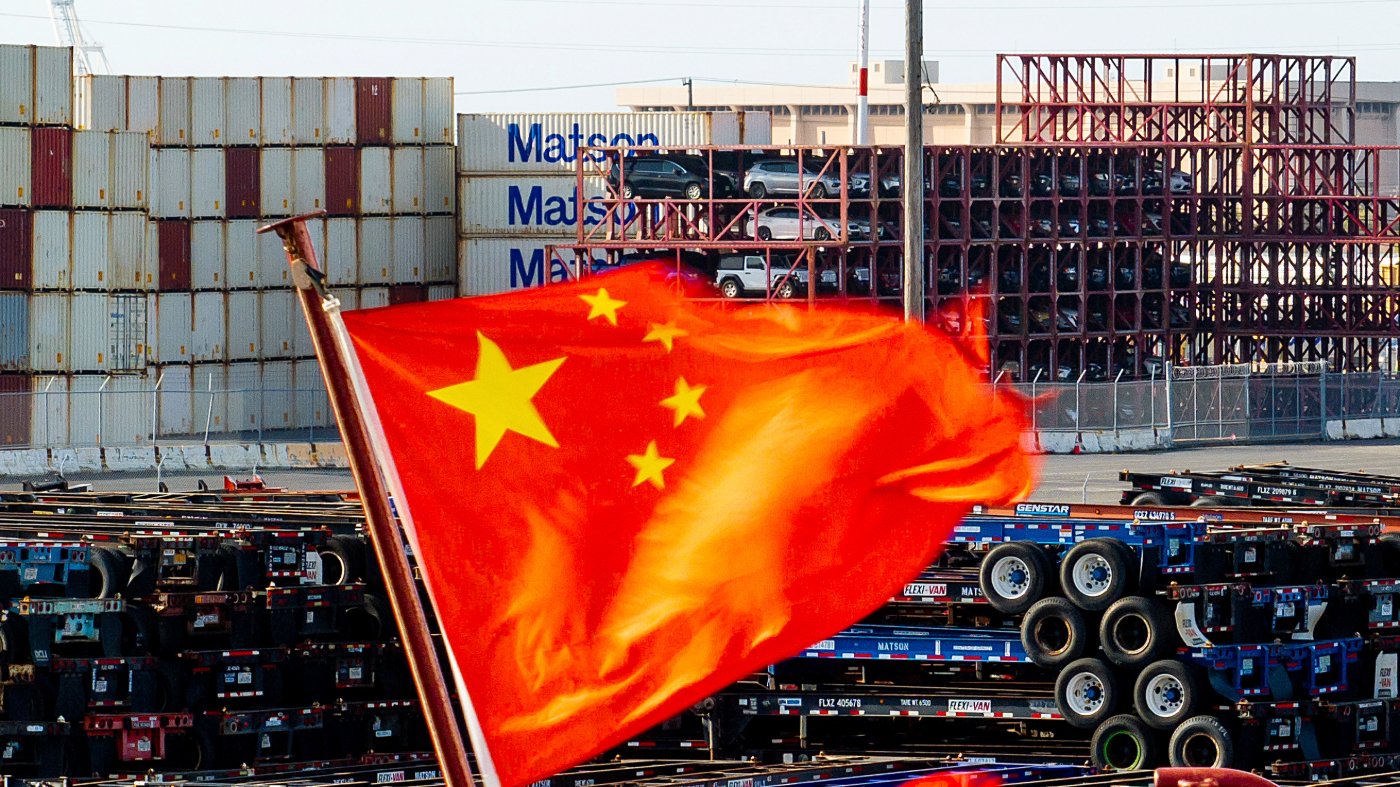
Last month, a foreign-flagged vessel docked at a refinery in Reserve, Louisiana, after a voyage from Baltimore. On its face, it seemed routine—but the ship's arrival has ignited a political firestorm over President Trump's decision to waive a century-old law protecting American maritime workers and national security.
The vessel, Jin Zhou Wan, is owned and operated by a company tied to China's military. Under the Jones Act, which prohibits foreign ships from transporting goods between U.S. ports, its journey would normally be illegal. But since March, Trump has granted waivers to the law, citing the start of military strikes against Iran as justification for opening domestic shipping lanes to foreign competition.
Waiver's Promises vs. Reality
The administration argued the move would lower prices, particularly for energy, by boosting supply. But data from Navigistics Consulting shows the waiver has failed on both counts. Foreign vessels are largely sailing the same routes as Jones Act-compliant ships, and a price analysis from March 23 to June 1 found no evidence of relief at the pump. On some routes, such as New Orleans to Port Everglades, foreign-flag rates were actually higher than those of American ships.
Meanwhile, the waiver has sharply increased traffic at U.S. ports by Chinese-controlled vessels—18 percent of all ships using the waiver are linked to China. Critics say this undermines national security and threatens domestic maritime investment, as companies fear being undercut by cheap foreign labor.
Bipartisan Backlash
The Jones Act has long enjoyed bipartisan support as a pillar of American industrial policy. Earlier this month, House Speaker Mike Johnson (R-La.) and 51 Republican colleagues sent a letter urging Trump not to extend the waiver. Democrats have also voiced strong opposition, warning that the policy is repeating the mistakes of NAFTA, which devastated U.S. manufacturing.
“This is not about partisanship; it’s about protecting American workers and our national security,” said Chris Westbook, vice president of the Seafarers International Union. “If the waiver continues, ships like Jin Zhou Wan will become the norm, and American-built, American-crewed vessels will become a rarity.”
The controversy comes amid broader concerns about China's growing influence in global trade and infrastructure. A recent Pew poll shows global trust in the U.S. is declining while China's image rises, adding urgency to the debate over the Jones Act waiver.
What's at Stake
Without action, the waiver could permanently reshape the U.S. maritime industry. Supporters of the Jones Act argue it provides reliable domestic shipping capacity and protects workers from exploitation. They point to the fact that only 6.5 percent of U.S. gasoline moves on Jones Act vessels—most travels by pipeline—meaning the waiver's impact on prices is negligible.
“The consumer isn't benefiting, and American workers are getting hurt,” Westbook added. “We need to act before it's too late.”